The Recognition Playbook: How Smart Awards Actually Motivate People to Do Better
Everyone deserves recognition. That is not controversial. What is controversial is how we do it and whether it actually works.
Walk into any workplace and you will find evidence of recognition programs: Employee of the Month plaques gathering dust, service awards in storage closets, participation certificates nobody remembers earning. Millions spent on recognition that changed nothing.
The real question is not whether to recognize people, but how to recognize them in ways that genuinely motivate improved performance rather than just checking boxes. Strategic recognition changes behavior and drives results. Generic recognition just wastes budget and clutters offices.
For recognition strategies specifically designed for motivating children and youth from elementary through high school, see our companion guide on youth motivation and building growth mindset through recognition.
Why Most Recognition Programs Fail at Actually Motivating Anyone
Walk into any workplace break room or school trophy case and you will see the problem immediately. Dusty awards with generic inscriptions like "Employee of the Month" or "Participation Award" that nobody remembers earning. Recognition that meant nothing when received and means even less now.
According to research from Gallup, employees who do not feel adequately recognized are twice as likely to quit within the next year. But here is the catch: generic recognition barely moves the needle. Only specific, meaningful recognition actually changes outcomes.
The difference between recognition that motivates and recognition that just fills space comes down to three elements: specificity, timing, and authenticity. Get these right and awards become powerful motivation tools. Get them wrong and you are just buying decorative clutter.
Non-Tangible Recognition That Actually Changes Behavior
Before spending money on trophies, understand that the most powerful recognition often costs nothing. Tangible awards amplify recognition but cannot replace it.
The Power of Public Acknowledgment
Specific public praise works because it combines validation with clarity about what behavior to repeat. "Great job" means nothing. "Your presentation on Q3 results was the clearest explanation of complex data I have seen, and it directly helped us make better budget decisions" tells someone exactly what they did right and why it mattered.
Make public acknowledgment work by being specific about the action, explaining the impact, and delivering recognition promptly while achievements feel current. Team meetings, company newsletters, or classroom announcements all create platforms for meaningful public recognition that costs zero dollars.
Personal Notes That People Keep Forever
Handwritten notes have disproportionate impact. A manager taking three minutes to write a specific thank-you note creates recognition people save for years. Teachers who write personal messages about student growth create moments parents frame and keep.
The key is specificity. Generic "thanks for your hard work" notes get tossed. "Your willingness to stay late Tuesday to help the new hire get up to speed showed real leadership, and it made their first week significantly less stressful" becomes a treasure.
Increased Responsibility as Recognition
Counterintuitive but effective: giving high performers more challenging work recognizes their capability while developing their skills. The employee who handles difficult clients well gets assigned to the most important accounts. The student who masters concepts early gets invited to help teach others.
This only works when framed correctly. "You are getting this because you are capable and I trust you" motivates. "You are getting this because you are the only one who can handle it" breeds resentment. Framing matters enormously.
One-on-One Recognition Conversations
Private conversations about specific contributions create space for detailed feedback. Ten minutes explaining exactly how someone's work impacted larger goals provides clarity that public acknowledgment cannot always deliver.
These conversations work best when they include not just praise for past work but connection to future opportunities. "Because you handled the Johnson project so well, I want you to lead the bigger Anderson account next quarter" links current recognition to future growth.
When Tangible Awards Amplify Motivation
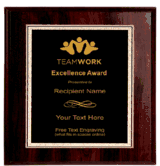
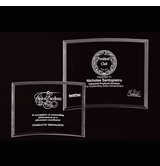
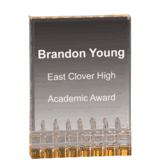
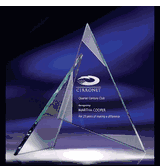
Physical awards work when they commemorate specific achievements and serve as lasting reminders of recognition. Here is when to invest in tangible recognition.
Milestone Achievement Awards
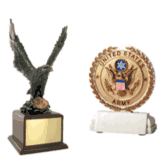
Completing major projects, reaching significant anniversaries, or accomplishing difficult goals deserve tangible recognition. Five-year service awards, project completion trophies, or certification achievement recognition mark meaningful career moments that warrant physical commemoration.
Competitive Recognition
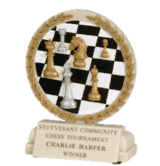
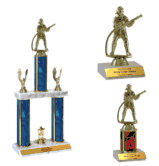
When multiple people compete for specific goals, tangible awards create clear winners and incentivize performance. Sales competitions, academic contests, or athletic events benefit from trophies that publicly recognize achievement and create bragging rights.
Annual Excellence Awards
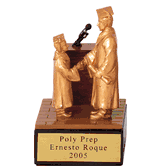
Year-end recognition for sustained performance throughout extended periods deserves more than verbal acknowledgment. Employee of the Year, Student of the Year, or similar annual awards become career highlights when paired with meaningful trophies.
Rising Star Recognition
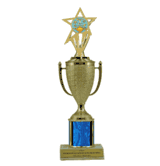
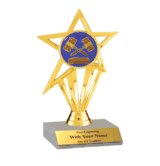
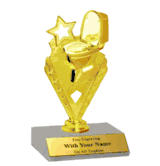
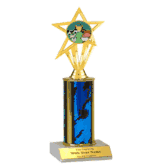
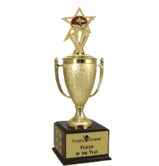
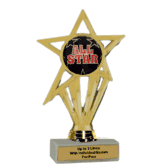
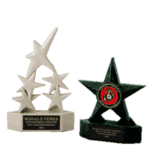
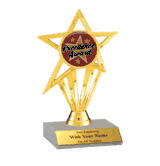
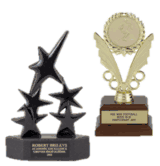
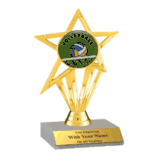
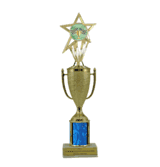
Identifying high-potential individuals early and recognizing their trajectory motivates continued growth. Star trophies perfectly symbolize emerging talent and signal organizational investment in someone's future.
Team Achievement Awards
When groups accomplish goals together, shared recognition strengthens team bonds. Department achievement awards, project team recognition, or classroom group accomplishments benefit from tangible awards that team members can display as reminders of collaborative success.
Overcoming Adversity Recognition
Returning from setbacks, persevering through challenges, or achieving despite obstacles deserves special acknowledgment. Comeback awards or perseverance recognition carries extra meaning when formalized with physical awards.
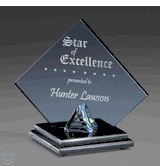
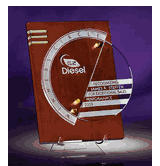
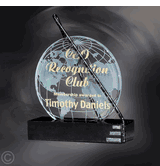
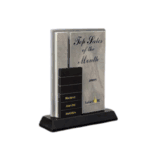
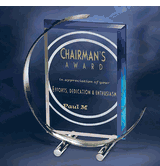
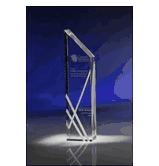
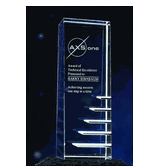
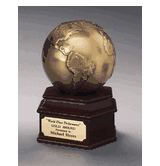
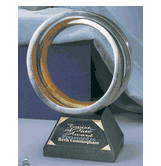
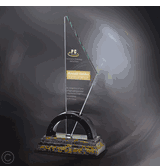
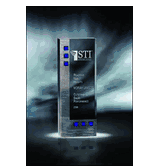
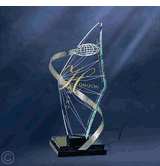
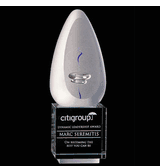
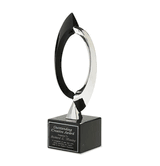
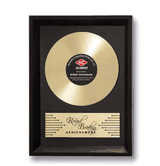
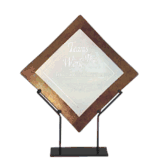
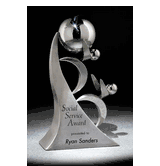
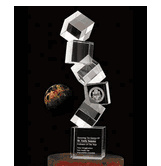
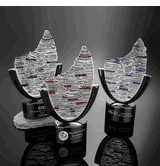
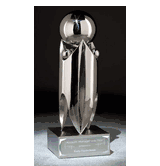
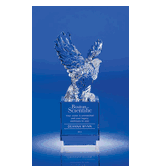
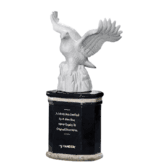
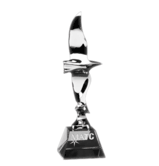
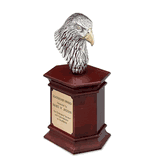
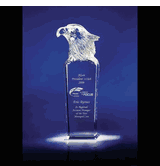
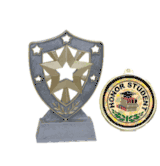
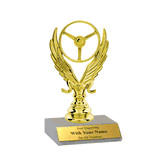
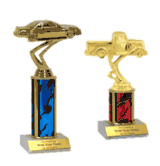
Browse versatile general achievement trophies that work across contexts from corporate recognition to educational achievement, featuring designs that celebrate excellence without being sport or activity-specific.
The Strategic Combination: Pairing Tangible and Non-Tangible Recognition
Maximum motivation comes from combining both approaches thoughtfully. Here is how to make them work together.
Start with specific verbal recognition. When someone achieves something notable, acknowledge it immediately with detailed praise. Explain exactly what they did and why it mattered. This creates the foundation.
Add written documentation. Follow verbal recognition with an email or note that the recipient can keep. This extends recognition beyond the moment and provides reference material they can revisit.
Formalize with tangible awards for significant achievements. Not every accomplishment needs a trophy, but meaningful milestones deserve physical commemoration. The award serves as a lasting reminder of the specific achievement and the recognition conversation that accompanied it.
Present awards with ceremony and context. Do not just hand someone a trophy. Present it in front of peers, explain specifically what they accomplished, and connect their achievement to larger organizational or team goals. The presentation amplifies the award's meaning.
Follow up periodically. Months after recognition, reference the achievement again. "Remember when you solved that client problem last quarter? That same approach would work perfectly for this new situation." This reinforces that recognition was genuine and achievement had lasting impact.
Recognition Strategies Across Professional and Community Contexts
Workplace Recognition That Drives Performance
Corporate environments need recognition systems that acknowledge both individual excellence and team collaboration. Monthly recognition for specific contributions, quarterly awards for sustained performance, and annual ceremonies for major achievements create layered recognition programs.
Peer nomination systems where coworkers recognize each other often identify contributions that management misses. Technical expertise awards, customer service excellence, innovation recognition, and mentorship acknowledgment cover diverse contribution types beyond just sales or production metrics.
Leadership recognition for managers who develop their teams, process improvement awards for operational excellence, and collaboration awards for cross-functional work ensure that diverse skills and contributions receive appropriate acknowledgment.
Small Business and Entrepreneurial Recognition
Smaller organizations benefit from informal but meaningful recognition. The employee who solved a critical client problem, the team member who trained new hires effectively, or the person who consistently goes beyond job requirements all deserve specific acknowledgment even without formal programs.
In lean organizations, recognition often matters more than in larger companies because each person's contribution is more visible and critical. Small meaningful gestures carry significant weight when everyone knows how much each role matters to survival and success.
Volunteer and Non-Profit Recognition
Volunteers give time without financial compensation, making recognition especially important. Hours-served milestones, impact-based awards showing how volunteer work affected outcomes, and leadership recognition for those who coordinate others all acknowledge different volunteer contribution types.
Board service, event coordination, fundraising success, and community impact all deserve distinct recognition. Non-profits that systematically recognize volunteer contributions retain engaged volunteers and attract new ones by demonstrating that service gets noticed and valued.
Community Organization Recognition
Civic groups, clubs, and associations thrive on volunteer energy. Recognition for sustained membership, event leadership, new member recruitment, and program development keeps organizations vital and demonstrates that engagement leads to acknowledgment.
Multi-year service recognition matters particularly in community organizations. The member who has contributed for a decade or more deserves special acknowledgment that honors their loyalty and sustained impact.
Professional Association and Industry Recognition
Industry awards for innovation, thought leadership, best practices implementation, or mentorship elevate entire professions. Recognition at industry conferences or in professional publications provides visibility that extends beyond individual organizations.
Certification achievements, continuing education completion, and professional development milestones all warrant recognition that reinforces the value of ongoing learning and skill development throughout careers.
Budget-Friendly Recognition That Still Feels Meaningful
Effective recognition need not require enormous budgets. Strategic spending creates maximum impact.
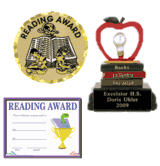
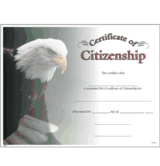
Free certificate templates provide professional-looking recognition at zero cost. Download customizable free award certificates for academic achievement, employee recognition, volunteer appreciation, and general excellence. Print on quality cardstock for 50 cents per certificate that looks substantial.
Small meaningful trophies beat large generic ones. A 10-dollar trophy with specific engraving commemorating actual achievement means more than a 50-dollar generic award. Invest in personalization rather than size.
Tiered recognition systems maximize budget efficiency. Verbal recognition and certificates for regular achievements, small trophies or medals for quarterly standouts, larger awards for annual excellence. Most recognition stays low-cost while top achievements get premium treatment.
Group photo recognition walls cost almost nothing but create lasting visibility. Photos of award recipients with brief descriptions of achievements displayed in common areas provide ongoing recognition that reminds others what excellence looks like.
Recognition Budget Reality
Consider this math: An organization with 50 employees could implement a comprehensive recognition program with monthly verbal acknowledgment (zero cost), quarterly certificates at 3 dollars each (150 dollars annually), and 10 annual trophies for major achievements at 12 dollars each (120 dollars). Total annual investment: 270 dollars, or about 5.40 per employee. Employee replacement costs average 50 percent to 200 percent of annual salary. Even modest recognition that reduces turnover by preventing just one departure saves tens of thousands of dollars. Recognition ROI is exceptional.
Common Recognition Mistakes That Actually Demotivate People
The equality trap: Giving everyone identical recognition to avoid hurting feelings actually demotivates high performers who realize their extra effort gets the same acknowledgment as minimal effort. Fair does not mean equal. Fair means recognition matches contribution.
The delayed recognition mistake: Acknowledging achievements months after they occur feels disconnected and perfunctory. Recognition should happen as close to the achievement as practical while it still feels current and relevant.
The generic praise problem: "Great job" or "Nice work" communicates nothing about what was actually great or nice. Specific feedback about what someone did right and why it mattered transforms recognition from hollow to meaningful.
The favoritism perception: Recognition systems that consistently reward the same people regardless of actual performance create cynicism. Ensure recognition criteria are clear, consistently applied, and genuinely based on achievement rather than personal relationships.
The empty ceremony issue: Formal recognition events where awards feel rushed or recipients sense recognition is obligatory rather than genuine undermine the entire point. Better to skip ceremonies entirely than execute them poorly.

The forgotten follow-up: Recognizing someone and then never mentioning their achievement again suggests recognition was insincere. Reference past achievements periodically to reinforce that recognition was genuine and accomplishments had lasting value.
Measuring Whether Recognition Actually Works
Recognition should change behavior and outcomes. Here is how to tell if your recognition program actually works.
Track performance trends. Are people who receive recognition continuing to perform at high levels or improving further? Are others increasing performance to earn similar recognition? If recognition does not correlate with sustained or improved performance, something is wrong.
Monitor retention. Do recognized employees stay with your organization longer? Do recognized students continue participating in programs? Recognition that works reduces turnover because people feel valued and want to continue contributing.
Watch for behavior replication. When someone gets recognized for specific behavior, do others start exhibiting similar behavior? Effective recognition teaches everyone what excellence looks like and motivates replication.
Solicit feedback directly. Ask recognition recipients whether acknowledgment felt meaningful and whether it motivated continued effort. Honest feedback identifies what works and what feels hollow.
Observe culture changes. Does recognition create a culture where achievement gets celebrated regularly, or does it feel like isolated events? Effective recognition programs shift entire cultures toward appreciating excellence.
Creating Sustainable Recognition Systems
One-time recognition events are nice. Systematic recognition that happens continuously is transformative.
Establish clear criteria. People cannot aim for recognition if they do not know what earns it. Publish specific criteria for different award types so everyone understands what excellence looks like in your context.
Create multiple award categories. Different people excel in different ways. Technical expertise, customer service, innovation, mentorship, collaboration, and leadership all deserve separate recognition paths so diverse talents get acknowledged.
Build recognition into regular operations. Do not save recognition for annual events. Incorporate acknowledgment into weekly meetings, monthly newsletters, and quarterly reviews. Frequent recognition has more impact than rare grand gestures.
Train people to recognize others. Most people never learned how to give meaningful recognition. Teaching managers and peers what effective acknowledgment looks like multiplies recognition opportunities throughout organizations.
Document recognition patterns. Track who gets recognized, for what, and how frequently. This data reveals whether recognition is fairly distributed or whether some contributions consistently get overlooked.
What Strategic Recognition Actually Accomplishes
Beyond making people feel good, well-designed recognition programs create measurable organizational benefits.
Recognition clarifies expectations by demonstrating what achievement looks like. When someone receives specific acknowledgment for particular work, everyone else learns what standards to aim for. This reduces ambiguity about what constitutes excellent performance.
Strategic recognition retains top performers by demonstrating that excellence gets noticed and valued. High performers consistently cite feeling unappreciated as a primary reason for leaving organizations or programs. Systematic recognition addresses this directly.
Public recognition creates peer pressure toward excellence. When achievements get celebrated visibly, others want similar acknowledgment and increase their effort accordingly. This peer effect multiplies recognition impact beyond individual recipients.
Recognition strengthens relationships between people and organizations. Whether employer-employee, teacher-student, or organization-volunteer, acknowledgment builds bonds and loyalty that transcend transactional interactions.
Ultimately, recognition transforms abstract appreciation into concrete reality. The thought "they value my work" becomes tangible when paired with specific acknowledgment of actual contributions. That tangibility changes how people think about their role and their future.
Ready to Build Recognition That Actually Motivates?
Browse our selection of general achievement awards, rising star trophies, and download free recognition certificates to start building comprehensive recognition programs. Free engraving on all awards, with most orders shipping within 1-2 business days.
Need help designing recognition systems that actually change behavior? Our specialists understand what makes recognition meaningful across corporate, educational, and community contexts. Call 1-888-809-8800 for free consultation on creating recognition programs that motivate rather than just decorate.
People in your organization are doing excellent work right now. Make sure they know you noticed.