free engraving
FREE ENGRAVING ON TROPHIES & PLAQUES
shop with confidence
FAST, RELIABLE & SECURE SHOP WITH CONFIDENCE
free economy shipping
FREE ECONOMY SHIPPING OVER $99 ON 1000's OF SELECT TROPHIES & AWARDS
discounted prices
QUALITY CUSTOM AWARDS AT DISCOUNTED PRICES
custom awards
4.9 RATING Over 2,300 ★★★★★ Reviews

Tennis Awards and Recognition: Celebrating Champions and Sportsmanship on the Court


Tennis stands as one of the world's most prestigious individual sports, combining athletic excellence with traditions of honor and sportsmanship that date back centuries. From the professional courts of Wimbledon to local community tournaments, tennis awards recognize not only competitive victories but also the character, dedication, and spirit that define this remarkable sport. The culture of tennis recognition extends far beyond trophy presentations, encompassing a comprehensive system that celebrates achievement at every level while promoting the values that make tennis truly special.

The modern tennis award landscape reflects the sport's global reach and diverse participation, recognizing champions from junior development programs through elite professional competition. Whether honoring a first-time tournament winner at a local club or celebrating Grand Slam champions, tennis awards create lasting memories that inspire continued participation and excellence in this lifelong sport.

Professional Tennis Award Standards

Professional tennis organizations have established comprehensive award systems that recognize excellence across multiple dimensions of tennis achievement. These programs provide models that influence recognition practices throughout the tennis community, from amateur tournaments to junior development programs.

ATP Tour Recognition Programs

The Association of Tennis Professionals (ATP) operates sophisticated award programs that celebrate various aspects of professional tennis excellence. The 2024 ATP Awards recognized Jannik Sinner as the Fans' Favourite for the second straight year while also earning ATP Year-End No. 1 honors. Sinner's historic season included eight singles titles, his first two Grand Slams, three ATP Masters 1000 victories, and the Nitto ATP Finals championship, making him the first Italian to reach No. 1 in the ATP Rankings.

Rafael Nadal remains the only man to win every ATP award in the player category, demonstrating the comprehensive nature of professional tennis recognition. The ATP system includes Player of the Year, Most Improved Player, Newcomer of the Year, and Comeback Player of the Year awards, each addressing different aspects of professional tennis achievement.

Tournament recognition forms another crucial component of ATP awards, with players voting for Tournament of the Year in different categories. The 2024 winners included the BNP Paribas Open at Indian Wells for ATP Masters 1000 (winning for a record-extending 10th consecutive year), the cinch Championships at The Queen's Club in London for ATP 500, and the Qatar ExxonMobil Open in Doha for ATP 250.

WTA Tour Award Excellence

The Women's Tennis Association (WTA) operates parallel recognition programs that celebrate excellence in women's professional tennis. The 2023 WTA Awards honored Iga Swiatek as Player of the Year for the second consecutive year, making her the first player to earn this accolade in back-to-back seasons since Serena Williams from 2012 to 2016.

WTA awards include specialized recognition such as the Karen Krantzcke Sportsmanship Award and the Peachy Kellmeyer Player Service Award, both won by Ons Jabeur in 2023. These awards demonstrate tennis's emphasis on character and community service alongside competitive achievement.

The WTA system also recognizes breakthrough performances through awards like Most Improved Player of the Year and Newcomer of the Year, creating comprehensive recognition that acknowledges different paths to tennis success.

USTA and Amateur Tennis Recognition

The United States Tennis Association (USTA) operates extensive award programs that recognize excellence in amateur tennis while promoting participation and development at all levels. These programs serve as models for tennis recognition worldwide and directly impact hundreds of thousands of players annually.

USTA National Awards Structure

USTA National Awards encompass Junior Awards, Adult Competitive Awards, Umpire Awards, and Organization Awards for clubs and recreation programs. The system recognizes high school juniors or seniors nationally ranked in the top 100 with unweighted GPAs of 3.75 or higher who demonstrate that tennis serves as the "Sport of Opportunity for education, advancement, and character development."

Sportsmanship awards represent a cornerstone of USTA recognition, with awards presented at national junior tournaments to players and teams who exemplify outstanding sportsmanship, conduct, and character. These awards reinforce tennis's emphasis on integrity and fair play while providing recognition that often means more to recipients than competitive victories.

The USTA Girls' 16 and Girls' 18 National Championship Sportsmanship Awards recognize players who demonstrate exceptional character and conduct, creating role models for younger players while reinforcing positive values throughout junior tennis.

Adult and Senior Tennis Recognition

USTA adult recognition programs celebrate continued tennis participation and achievement throughout players' lifetimes. The "Gold Ball" represents the most coveted trophy for USTA amateur tennis players, awarded to winners of Level 1 tournaments in age divisions, creating lifetime achievements that players treasure long after their competitive careers conclude.

The Super Senior Service Award recognizes contributions to tennis for players in the 55-and-over age divisions, acknowledging that tennis excellence extends beyond playing ability to include service, leadership, and community building.

USTA also operates specialized programs like the Brad Parks Award, which recognizes outstanding contributions to wheelchair tennis, demonstrating the organization's commitment to inclusive excellence and comprehensive recognition.

Junior Tennis Development and Awards

Junior tennis awards play crucial roles in player development, motivation, and retention while teaching valuable lessons about achievement, sportsmanship, and personal growth. Effective junior recognition programs balance competitive achievement with character development and participation encouragement.

Age-Appropriate Recognition Systems

USTA junior programs use progressive recognition systems that match award types to developmental stages and competitive levels. The Junior Circuit uses non-elimination, round-robin formats for players of all ages, ensuring multiple opportunities for recognition while reducing pressure that might discourage continued participation.

Junior Team Tennis brings together boys and girls ages 6-18 in coed team competitions that emphasize fun and social interaction alongside competitive play. This format creates opportunities for team recognition that celebrates collaboration and mutual support rather than individual dominance.


Regional USTA sections like USTA Northern California operate quarterly sportsmanship recognition programs where nominated junior players receive prizes and recognition for demonstrating exceptional character during tournaments and events.

Educational Integration and Character Development

High school tennis recognition often integrates academic achievement with athletic excellence, creating comprehensive recognition that demonstrates tennis's role in overall personal development. State high school associations typically recognize academic all-state teams alongside competitive champions.

College tennis recognition through programs like USTA Tennis on Campus celebrates both competitive achievement and leadership development. The Tennis on Campus National Championship involves 64 colleges competing in World TeamTennis format, with recognition extending to individual student leaders and campus programs that demonstrate exceptional growth and innovation.

Many junior recognition programs include community service components that demonstrate tennis players' commitment to giving back while developing leadership skills and social awareness that extend far beyond tennis courts.

Club and Facility Tennis Awards

Tennis clubs and facilities create internal recognition programs that build community, encourage participation, and celebrate member achievements. These programs require ongoing creativity and management to maintain interest while providing meaningful recognition for diverse accomplishments.

Membership Recognition Programs

Private tennis clubs often maintain comprehensive recognition systems that acknowledge various member achievements throughout the year. Club championships represent the most prestigious internal awards, typically featuring perpetual trophies that create lasting traditions and historical records of excellence.

Ladder tournaments and league play create ongoing recognition opportunities that maintain member engagement while providing achievable goals for players at all skill levels. Monthly recognition events and social gatherings built around award presentations strengthen club communities while celebrating member achievements.

Many clubs maintain recognition displays featuring member accomplishments, tournament results, and historical achievements in dedicated trophy cases. These displays serve multiple purposes including celebrating success, encouraging participation, and creating conversation pieces that strengthen club identity and pride, often featuring specialized wall display cases.

Public Facility and Recreation Programs

Public tennis facilities and recreation departments create recognition programs that encourage participation while celebrating achievement among diverse user groups. These programs often emphasize participation and improvement over pure competitive success to maintain inclusive environments.

Community tournament programs typically feature multiple divisions and creative award categories that ensure broad recognition opportunities. "Most Improved Player," "Best Sportsmanship," and "Best Team Spirit" awards create inclusive recognition that encourages continued participation.

Public facility recognition often includes family and group categories that celebrate tennis as a lifelong activity that brings people together across age groups and skill levels.

Tournament Organization and Tennis Awards

Successful tennis tournament organization requires careful award planning that matches recognition to tournament goals, participant expectations, and available budgets. Well-designed award programs enhance participant satisfaction while encouraging future tournament participation.

Tournament Award Category Planning

Tennis tournaments typically feature multiple award categories that accommodate different skill levels, age groups, and participation goals. Professional tournament models influence amateur event organization, with categories like singles and doubles championships, consolation draws, and special recognition awards.

Many successful tournaments award 20-25% of participants in various categories, ensuring broad recognition while maintaining award significance. Flight-based competition creates realistic achievement opportunities for players at all skill levels while preserving competitive integrity.

Creative award categories like "Longest Rally," "Best Comeback," and "Most Enthusiastic Supporter" add fun elements while providing recognition opportunities beyond traditional competitive results.

Award Selection and Budget Management

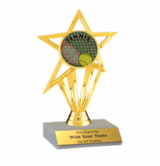
Tennis award selection requires balancing recognition quality with budget constraints while ensuring appropriate recognition for different achievement levels, ranging from elegant crystal trophies for major championships to more budget-friendly options. Tennis trophies range from elegant crystal awards for major championships to practical participation medals for junior events and community tournaments.

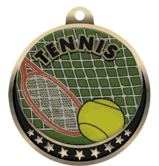
Award medals provide cost-effective recognition for large tournaments while maintaining recognition significance through quality design and personalization options.

Tiered award strategies allow tournaments to provide premium recognition for major achievements while offering appropriate acknowledgment for other participants at lower costs. This approach maintains award quality where most important while ensuring comprehensive recognition within available budgets.

Collegiate Tennis Recognition

College tennis operates sophisticated recognition systems that balance competitive achievement with academic excellence and leadership development. These programs demonstrate tennis's role in comprehensive education while providing pathways to continued tennis involvement.

NCAA Division Recognition

NCAA Division I, II, and III tennis programs maintain distinct recognition systems that reflect different competitive levels and institutional priorities. Division I programs typically emphasize national-level achievement and professional development, while Division III programs often emphasize participation, character development, and lifelong tennis engagement.

Academic All-America recognition combines tennis achievement with academic excellence, demonstrating the sport's compatibility with serious educational pursuits. These awards often carry more long-term significance than competitive victories because they demonstrate comprehensive excellence that appeals to graduate schools and employers.

Conference recognition programs provide intermediate achievement levels between institutional and national recognition, creating realistic goals that maintain competitive motivation while acknowledging regional excellence.

Club Tennis and Intramural Programs

USTA Tennis on Campus represents the fastest-growing segment of collegiate tennis, involving 370 colleges throughout 15 USTA geographical sections. The program uses World TeamTennis format with mixed-gender competition in bronze, silver, and gold brackets, creating multiple recognition opportunities.

The USTA Tennis on Campus National Championship represents the pinnacle event of collegiate club tennis, involving 64 schools competing for national recognition. Awards recognize both competitive achievement and program leadership, encouraging comprehensive excellence in club tennis development.

Campus recognition programs often emphasize leadership development and community service alongside competitive success, preparing student-athletes for post-graduation tennis involvement and community leadership roles.

Professional Recognition Beyond Competition

Tennis recognition extends beyond competitive achievement to acknowledge contributions to tennis development, community service, and sport promotion. These awards recognize the broader tennis community that makes the sport possible and sustainable.

Coaching and Development Awards

ATP and WTA Coach of the Year awards recognize excellence in professional player development, while USTA programs honor coaches who demonstrate exceptional commitment to junior development, community service, and tennis growth.

The Tim Gullikson Career Coach Award showcases coaches who have inspired generations of players and fellow coaches to grow the sport, recognizing career-long contributions rather than single-season achievements.

Teaching professional recognition through organizations like the Professional Tennis Registry and United States Professional Tennis Association acknowledges excellence in tennis instruction and program development at club and facility levels.

Humanitarian and Community Service Recognition

The Arthur Ashe Humanitarian Award represents prestigious recognition for tennis players who demonstrate exceptional commitment to community service and social causes. Recent recipient Dominic Thiem received recognition for his commitment to sustainability and environmental issues, particularly ocean conservation.

Many tennis organizations maintain community service awards that recognize players, coaches, and administrators who use tennis as a vehicle for positive social impact and community development.

The Karen Krantzcke Sportsmanship Award and similar recognition programs celebrate character and integrity that extend beyond competitive success, reinforcing tennis's emphasis on values-based excellence.

Technology and Modern Tennis Recognition

Modern tennis recognition increasingly incorporates technology to enhance award impact, streamline tournament management, and create lasting digital records of achievement. These innovations expand recognition reach while providing new ways to celebrate tennis success.

Digital Recognition Platforms

Online tournament management systems provide comprehensive recognition tracking that maintains detailed records of player achievements while automating award distribution and ceremony logistics. These systems reduce administrative burden while improving recognition accuracy and fairness.

Social media integration allows immediate recognition sharing that extends award impact beyond ceremony participants while creating digital portfolios of tennis achievement that players can maintain throughout their careers.

Digital certificates and badges provide cost-effective recognition options that complement physical awards while creating shareable recognition that appeals to younger players comfortable with digital communication, often utilizing customizable Certificate Template designs.

Data-Driven Recognition

Modern tennis utilizes sophisticated ranking systems and statistical analysis to create recognition based on comprehensive performance data rather than subjective evaluation. ATP and WTA rankings provide objective recognition that players and fans understand and accept.

The ITF World Tennis Number system provides global recognition standards that allow players to track improvement and achievement regardless of geographic location or competitive level, creating universal recognition language for tennis achievement.

Performance tracking technology enables recognition of achievements like improvement rates, consistency measures, and effort statistics that complement traditional win-loss recognition with more comprehensive evaluation of player development and contribution.

International Tennis Recognition

Tennis's global nature creates opportunities for international recognition that celebrates cultural diversity while promoting universal tennis values. Understanding international recognition practices helps tournament organizers and coaches create inclusive programs that welcome players from diverse backgrounds.

Cultural Considerations in Recognition

International tennis recognition requires sensitivity to cultural differences in award preferences, presentation styles, and symbolic meaning. Some cultures prefer individual recognition while others emphasize team or family achievement, requiring flexible recognition approaches.

Language considerations for award engraving and ceremony presentation ensure that recognition reaches all participants effectively, while cultural awareness in award design and messaging demonstrates respect for diverse tennis communities.

International tennis organizations like the International Tennis Federation (ITF) provide recognition models that demonstrate appropriate standards for global tennis achievement while respecting cultural differences in celebration and acknowledgment preferences.

Global Development Recognition

ITF development awards recognize contributions to tennis growth in emerging markets and underserved communities, acknowledging that tennis excellence includes expanding access and opportunity for diverse populations.

International coaching and facility development recognition celebrates efforts to grow tennis infrastructure and expertise in developing regions, supporting long-term tennis sustainability and global growth.

Specialty Tennis Awards and Recognition

Tennis's diverse participation creates opportunities for specialized recognition that acknowledges different playing styles, physical challenges, and unique contributions to the tennis community.

Adaptive Tennis Recognition

Wheelchair tennis recognition through programs like the Brad Parks Award demonstrates tennis's commitment to inclusive excellence and comprehensive recognition. These programs celebrate both competitive achievement and contributions to adaptive tennis development.

Adaptive tennis recognition often emphasizes participation and progress alongside competitive success, creating inclusive environments that encourage continued involvement while celebrating diverse forms of tennis excellence.

Many adaptive tennis programs include recognition for supporters, volunteers, and advocates who contribute to program success and participant development, acknowledging the community effort required to create inclusive tennis opportunities.

Tennis Industry Recognition

Tennis industry awards recognize excellence in equipment innovation, facility design, media coverage, and business development that support tennis growth and participant experience enhancement.

The Ron Bookman Media Excellence Award recognizes outstanding tennis journalism and coverage that helps promote tennis understanding and appreciation among broader audiences.

Facility and tournament operation awards acknowledge excellence in creating positive tennis experiences while setting standards for professional tennis event management and customer service, often presented as custom plaques commemorating achievements.

Economic Impact and Tennis Awards

Tennis's significant economic impact influences award program development and funding while creating opportunities for sponsor recognition and business development through tennis recognition programs.

Prize Money and Professional Recognition

Professional tennis prize money has reached historic levels, with Carlos Alcaraz leading 2024 earnings at $10.63 million in tournament winnings through August. The ATP Finals and WTA Finals both featured purses exceeding $14 million, demonstrating the economic significance of elite tennis recognition.

Major championships like the U.S. Open allocated $3.6 million to each singles winner in 2024, while smaller ATP 250 events like the Winston-Salem Open provided $107,000 to champions, showing the range of professional tennis recognition value.

The ATP bonus pool reached $21.3 million in 2024, providing additional recognition for year-end rankings and participation in major tournaments, demonstrating comprehensive approaches to professional tennis recognition beyond tournament prize money.

Amateur Tennis Economic Considerations

Amateur tennis recognition operates on dramatically different economic scales while creating significant value for participants, facilities, and communities. Local tournament awards might cost hundreds of dollars while creating thousands of dollars in economic activity through participation fees, facility usage, and related spending.

Corporate sponsorship of tennis recognition programs provides mutual benefits by supporting tennis development while creating marketing opportunities that reach engaged and affluent tennis communities.

Recognition program economic planning requires balancing award quality with budget realities while ensuring appropriate recognition for different achievement levels and participant contributions.

Seasonal Tennis Recognition Programs

Tennis's year-round nature creates opportunities for seasonal recognition that maintains engagement while celebrating different types of achievements throughout the annual tennis calendar.

Year-End Recognition Events

Annual tennis recognition events provide opportunities to celebrate season-long achievements while building tennis community connections and encouraging continued participation. These events often combine competitive recognition with social activities that strengthen tennis relationships.

Year-end awards banquets create formal recognition opportunities that provide appropriate ceremony for major achievements while maintaining cost-effectiveness through group celebration rather than individual events, featuring comprehensive sports awards presentations.

Season championship recognition through perpetual trophies and historical records creates lasting traditions that connect current players with tennis heritage while building motivation for future achievement.

Special Event Recognition

Holiday tennis tournaments offer opportunities for creative recognition that reflects seasonal themes while maintaining competitive integrity and recognition significance.

Themed recognition should balance creativity with appropriateness while ensuring awards maintain meaning and significance for recipients regardless of seasonal or special event contexts.

Special event recognition often emphasizes fun and participation alongside competitive achievement, creating inclusive environments that welcome players primarily interested in social tennis alongside serious competitors.

Building Sustainable Tennis Recognition Programs

Long-term tennis recognition program success requires systematic planning, community input, and continuous evaluation to ensure programs remain relevant and effective as tennis communities evolve.

Program Development and Management

Successful tennis recognition programs require clear goals, consistent standards, and regular evaluation to ensure they meet participant needs while supporting broader tennis development objectives.

Volunteer coordination and training ensure recognition program sustainability while reducing costs and building community investment in program success.

Documentation and historical record keeping create program continuity while building traditions that increase recognition significance and participant motivation over time.

Community Input and Feedback

Regular participant feedback collection helps identify successful recognition elements while revealing opportunities for program improvement and innovation.

Tennis recognition programs benefit from input by diverse stakeholders including players, coaches, parents, and facility managers who bring different perspectives on recognition effectiveness and impact.

Continuous program evaluation and adjustment ensure recognition programs remain relevant and effective as tennis communities grow and change while maintaining core traditions that provide continuity and meaning.

The Future of Tennis Recognition

Tennis recognition continues evolving with changing technology, participant expectations, and global tennis development. Understanding emerging trends helps recognition program developers create forward-thinking approaches that remain effective and engaging.

Environmental sustainability increasingly influences award selection as tennis organizations seek recognition options that align with environmental stewardship values while maintaining recognition quality and significance.

Personalization technology enables more sophisticated award customization that creates unique recognition experiences while managing costs through efficient production methods and digital integration.

Virtual and augmented reality technologies may eventually enhance physical recognition with digital experiences that provide additional context, achievement documentation, and sharing capabilities that appeal to digitally-native tennis participants.

Tennis recognition programs that successfully balance tradition with innovation while maintaining focus on character development and community building will continue creating positive impacts that extend far beyond tennis courts into broader community life and personal development.

The enduring power of tennis recognition lies not in the trophies themselves, but in the values they represent: excellence, sportsmanship, perseverance, and respect for others. Whether celebrating a first tournament victory or honoring lifetime achievement in tennis service, appropriate recognition creates lasting memories that inspire continued participation in this remarkable sport that teaches valuable life lessons while providing opportunities for personal growth, community connection, and lifetime enjoyment.

References

1. ATP Tour. "2024 ATP Awards: All Winners and Recognition." https://www.atptour.com/en/news/atp-awards-2024-all-winners

2. United States Tennis Association. "USTA National Awards." https://www.usta.com/en/home/about-usta/usta-awards/national/usta-national-awards.html

3. Wikipedia. "ATP Awards - Professional Tennis Recognition." https://en.wikipedia.org/wiki/ATP_Awards

4. USTA Tennis on Campus. "Collegiate Club Tennis Championships." https://en.wikipedia.org/wiki/USTA_Tennis_on_Campus

5. Sportico. "Tennis Prize Money and Recognition Statistics 2025." https://www.sportico.com/feature/tennis-prize-money-breakdowns-atp-wta-1234769498/


⭐ 2,300+ 5-Star Reviews | 🏆 25+ Years Experience | 🚚 Fast Shipping | ✓ 100% Satisfaction Guarantee


Bing Tag