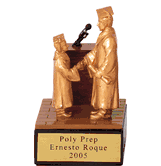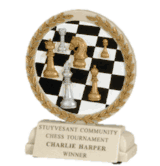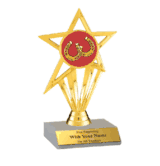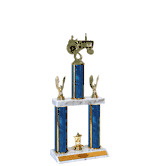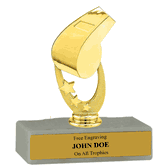

Navigating youth sports as a parent involves much more than driving to practices and cheering from sidelines - it requires understanding how to support young athletes through recognition that builds confidence, teaches valuable life lessons, and creates positive associations with physical activity and team participation. The choices parents make about awards, recognition, and seasonal planning can significantly impact their child's athletic development and long-term relationship with sports and fitness.
According to research from The Aspen Institute's Project Play, children who receive age-appropriate recognition and positive reinforcement in youth sports are 73% more likely to continue athletic participation through high school while developing stronger self-confidence, teamwork skills, and lifelong fitness habits that benefit their overall health and well-being.
Youth Sports Parent Reality Check! Studies show that 70% of children quit organized sports by age 13, often due to pressure, lack of fun, or inappropriate expectations. Parents who focus on effort, improvement, and enjoyment rather than just winning help their children stay engaged in athletics longer while developing healthier relationships with competition and physical activity!
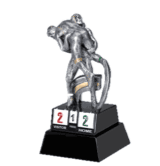
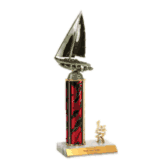
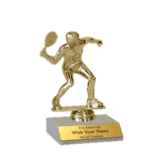
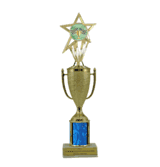
Understanding age-appropriate recognition, budget-friendly award options, and seasonal sports planning helps parents make informed decisions that support their child's athletic journey while maintaining perspective about youth sports' role in overall development and family life. From T-ball participation ribbons to high school athletic banquets, the recognition choices parents support can either enhance or complicate their child's sports experience. Explore our comprehensive selection of youth sports awards and recognition designed specifically to celebrate young athletes at every developmental stage.
Age-Appropriate Recognition and Awards
Different developmental stages require different approaches to recognition that match children's cognitive abilities, emotional needs, and understanding of competition while supporting healthy athletic development and positive self-concept formation throughout their youth sports journey.
Age-appropriate awards focus on encouraging continued participation, celebrating effort and improvement, and building positive associations with physical activity rather than creating pressure or unhealthy competition that can damage young athletes' relationship with sports and physical fitness.
Early Childhood Sports (Ages 4-7)
Preschool and kindergarten athletes participate primarily for fun, social interaction, and basic skill development rather than competitive achievement. Recognition for this age group should emphasize participation, effort, and the joy of movement while avoiding any focus on winning, losing, or comparative performance that might discourage continued involvement.
Participation awards work best for young children because they celebrate the courage it takes to try new activities while acknowledging that showing up and having fun represents significant achievement for 4-7 year olds who are still developing basic motor skills, social awareness, and attention spans.
Colorful ribbons, stickers, and certificates with fun designs appeal to young children while providing tangible recognition they can share with families. Simple awards that acknowledge effort ("Great Effort!") or specific improvements ("Awesome Kicking!") work better than generic participation recognition because they help children understand what behaviors and attitudes deserve celebration.
Team celebrations like pizza parties, playground time, or group activities often provide more meaningful recognition for young children than individual awards because they emphasize the social fun and community aspects that make youth sports valuable for this developmental stage.
Elementary School Athletes (Ages 8-12)
Elementary school children begin understanding basic competition while still needing recognition that emphasizes personal growth, team contribution, and skill development rather than just winning and losing. Awards for this age group should balance individual achievement with team success while maintaining focus on effort and improvement.
Skill development awards that acknowledge specific improvements in throwing, catching, running, or sport-specific abilities help children understand that athletic success comes from practice and dedication rather than just natural talent. These awards encourage continued effort while providing concrete goals that children can work toward.
Character recognition becomes increasingly important as children develop social awareness and begin understanding concepts like sportsmanship, teamwork, and fair play. Awards that celebrate kindness to teammates, respect for opponents, and positive attitude during both victories and defeats teach valuable life lessons that extend beyond athletics.
Multiple award categories ensure that different children receive recognition for their unique strengths and contributions, whether in skill development, team spirit, improvement, or leadership. Inclusive recognition helps all team members feel valued while encouraging continued participation and effort.
Most Improved Player
Celebrating significant skill development and dedication to practice that shows young athletes their effort leads to meaningful progress and achievement!
Best Teammate Award
Recognizing children who encourage others, share equipment, and demonstrate the cooperative spirit that makes youth sports fun for everyone involved!
Hustle and Heart Recognition
Honoring young athletes who give their best effort, maintain positive attitudes, and show that trying hard is more important than being perfect!
Middle School and High School Athletes (Ages 13-18)
Adolescent athletes can handle more sophisticated recognition that acknowledges competitive achievement while maintaining emphasis on character development, academic balance, and preparation for adult life beyond athletics. Awards for older youth should reflect increasing maturity and responsibility.
Leadership recognition becomes crucial as teenagers develop influence over younger athletes and begin understanding their roles as examples and mentors. Awards that celebrate positive leadership, mentorship of younger players, and contribution to team culture help develop qualities that benefit athletes throughout their lives.
Academic-athletic balance awards acknowledge teenagers who maintain strong grades while participating in demanding athletic programs. These recognitions reinforce that education remains the priority while celebrating the time management and dedication required to excel in both areas.
Competitive achievement awards can acknowledge athletic success while maintaining perspective about sports' role in overall development. Awards that celebrate both individual accomplishment and team contribution help athletes understand that personal success should serve broader goals and team objectives.
Age-Appropriate Award Guidelines
- Ages 4-7: Focus on participation, fun, and basic skill celebration
- Ages 8-12: Balance individual growth with team contribution recognition
- Ages 13-15: Emphasize character, leadership, and academic balance
- Ages 16-18: Acknowledge competitive achievement while preparing for adult life
- All Ages: Maintain emphasis on effort, improvement, and positive attitude
Budget Planning for Youth Sports Recognition
Youth sports expenses can quickly accumulate throughout seasons and years, making budget planning essential for families who want to provide meaningful recognition without creating financial stress that detracts from the positive aspects of athletic participation and family stability.
Effective budget planning involves understanding the difference between necessary recognition that enhances the youth sports experience and optional awards that might be nice but don't significantly impact children's athletic development or enjoyment of their sports participation.
Cost-Effective Recognition Strategies
Team-wide budget planning allows families to pool resources for meaningful recognition while reducing individual costs and ensuring that all team members receive appropriate celebration regardless of family financial circumstances. Shared costs often enable higher-quality awards while building team unity and cooperation among families.
Seasonal recognition planning helps families anticipate award expenses while spreading costs across the athletic year rather than facing unexpected large expenses at season-end banquets or tournaments. Understanding typical recognition timelines helps families budget appropriately while avoiding financial surprises.
DIY recognition options like homemade certificates, photo displays, or family-created awards can provide meaningful celebration while controlling costs and adding personal touches that children often value more than expensive purchased items. Creative family recognition often creates more lasting memories than generic awards.
Bulk purchasing for teams or leagues reduces per-item costs while ensuring consistent quality and design across all team recognition. Group ordering often provides significant savings while simplifying the selection and customization process for busy parents managing multiple athletic and family commitments.
Value-Based Award Selection
Quality materials that withstand handling and display provide better long-term value than inexpensive items that break or deteriorate quickly. Children often treasure well-made awards for years, making modest additional investment worthwhile for recognition that maintains its appearance and significance over time.
Meaningful customization that includes child's name, team information, and specific achievement details creates more valuable recognition than generic awards that could apply to anyone. Personalized elements help children understand that awards acknowledge their individual effort and contribution rather than just participation.
Multi-purpose awards that serve as both recognition and functional items provide additional value while reducing household clutter. Awards that children can use or display prominently often have more lasting impact than items that get stored away and forgotten after initial excitement fades.
Timing considerations affect both cost and impact, with end-of-season recognition often providing better value than mid-season awards because they acknowledge full season participation and improvement while creating closure and positive memories that encourage continued involvement in athletics.
Youth Sports Budget Reality! According to USA Today, the average family spends over $2,000 annually per child on youth sports. Smart budget planning that prioritizes meaningful recognition over expensive equipment or excessive tournaments helps families maintain financial stability while supporting their children's athletic development!
What to Look for in Youth Recognition
Selecting appropriate youth sports recognition requires understanding how different types of awards impact children's motivation, self-concept, and continued athletic participation while supporting healthy development and positive associations with physical activity and competition.
Quality recognition should enhance rather than complicate children's sports experience while teaching valuable lessons about effort, improvement, teamwork, and personal growth that extend far beyond athletic participation into other areas of life development and character formation.
Developmental Appropriateness
Recognition that matches children's cognitive and emotional development helps ensure that awards provide positive reinforcement rather than creating confusion, pressure, or unhealthy competition that might damage young athletes' relationship with sports and physical activity.
Clear achievement criteria help children understand what behaviors and attitudes deserve celebration while providing goals they can work toward through effort and practice. Specific recognition criteria teach children that success comes from dedication and improvement rather than just natural talent or luck.
Inclusive design ensures that all team members have opportunities to receive recognition for their unique contributions and strengths rather than only acknowledging top performers. Inclusive recognition helps maintain team unity while encouraging continued participation from children with varying skill levels and athletic abilities.
Positive messaging that emphasizes effort, improvement, and character development rather than just competitive achievement helps children develop healthy perspectives about sports and competition that serve them throughout their lives in various contexts and challenges.
Educational Value and Life Skills
Recognition that teaches valuable life lessons about perseverance, teamwork, respect, and personal responsibility provides benefits that extend far beyond athletic participation into academic, social, and eventual professional contexts where these qualities remain important for success and fulfillment.
Character development emphasis helps children understand that how they compete and treat others matters as much as their athletic performance while building moral reasoning and ethical decision-making skills that benefit their overall personal development and social relationships.
Goal-setting opportunities provided through recognition systems help children learn to establish realistic objectives, work systematically toward achievement, and celebrate progress along the way. These skills transfer directly to academic and personal challenges throughout their developmental years and adult life.
Social skill development through team recognition and group celebrations teaches children about cooperation, communication, and community building while providing practice in positive social interaction and relationship building that benefits all areas of their lives.
Quality Youth Recognition Benefits
- Builds confidence and self-esteem through positive reinforcement
- Teaches valuable life lessons about effort and perseverance
- Encourages continued athletic participation and physical activity
- Develops social skills through team celebration and cooperation
- Creates positive memories that last throughout childhood and beyond
Recognition Planning Considerations
- Must balance individual achievement with team unity and inclusion
- Requires age-appropriate approaches that match developmental stages
- Budget planning needed to manage costs across seasons and years
- Should enhance rather than overshadow the joy of sports participation
- Need to coordinate with coaches and other families for team consistency
Seasonal Sports Calendar and Recognition Planning
Understanding typical youth sports seasons helps parents plan recognition timing, budget allocation, and celebration events while managing family schedules and ensuring that children can participate in age-appropriate athletic activities throughout the year without becoming overwhelmed or burned out.
Seasonal planning allows families to balance athletic participation with academic responsibilities, family time, and other developmental activities while ensuring that sports remain a positive addition to rather than domination of children's lives and family schedules.
Typical Youth Sports Calendar
September
Fall sports begin: Football, Soccer, Cross Country, Volleyball. Early season team building and skill assessment.
October
Peak fall competition season. Mid-season recognition for improvement and team contribution.
November
Fall championship seasons. End-of-season banquets and achievement recognition.
December
Winter sports preparation: Basketball, Wrestling, Swimming. Holiday break planning.
January
Winter sports peak season. New Year goal setting and mid-season evaluation.
February
Winter championship seasons. Academic-athletic balance recognition.
March
Spring sports begin: Baseball, Softball, Track, Tennis. Fresh start enthusiasm.
April
Spring season development. Easter break coordination with sports schedules.
May
Spring championships and end-of-school year coordination. Academic priority balance.
June
Summer camps and skills development. Relaxed skill building and fun focus.
July
Summer recreation leagues. Family vacation planning around sports commitments.
August
Fall sports preparation and tryouts. Back-to-school transition planning.
Multi-Sport Athlete Considerations
Children who participate in multiple sports throughout the year require recognition planning that acknowledges diverse athletic experiences while avoiding burnout and maintaining balance with academic and family responsibilities. Multi-sport participation often provides better overall athletic development than specialization in single sports.
Seasonal transition recognition can celebrate children's versatility and adaptability as they move between different sports while learning diverse skills and working with various coaches and teammates. Transition recognition helps children understand that athletic skills often transfer between activities.
Year-end comprehensive recognition that acknowledges participation across multiple sports and seasons provides opportunity to celebrate overall athletic development and character growth rather than just individual sport achievement. Comprehensive recognition helps children understand athletics as part of overall personal development.
Rest and recovery planning becomes crucial for multi-sport athletes to prevent physical and emotional burnout while maintaining enthusiasm for continued athletic participation. Recognition should include acknowledgment of smart training and recovery decisions that support long-term athletic health.
Youth Sports Success Formula
Age-Appropriate Recognition + Smart Budget Planning + Seasonal Balance + Family Support = Positive Athletic Experience!
Creating Positive Team Recognition Culture
Parents play crucial roles in establishing team recognition cultures that emphasize positive values, inclusive celebration, and appropriate perspective about youth sports' place in children's overall development and family life priorities.
Collaborative parent involvement in recognition planning helps ensure that team awards reflect shared values while distributing organizational responsibilities and costs among families who are invested in creating positive experiences for all team members.
Family and Team Coordination
Parent communication about recognition philosophy helps ensure that team awards support rather than conflict with individual family values and approaches to competition, achievement, and character development. Clear communication prevents misunderstandings and creates unified support for children's athletic experiences.
Volunteer coordination for recognition events allows families to contribute time and skills rather than just financial resources while building community connections and ensuring that recognition planning doesn't fall entirely on coaches who are already managing significant responsibilities for team development and success.
Inclusive planning ensures that all families can participate meaningfully in recognition activities regardless of financial circumstances, work schedules, or other constraints that might otherwise prevent involvement in team community building and celebration activities.
Cultural sensitivity in recognition planning acknowledges diverse family backgrounds, traditions, and values while creating celebration approaches that feel welcoming and appropriate for all team members and their families regardless of their cultural or socioeconomic backgrounds.
Long-Term Perspective and Development
Recognition that supports long-term athletic development emphasizes process over outcomes while encouraging continued participation, skill development, and positive associations with physical activity that benefit children throughout their lives regardless of their ultimate athletic achievement levels.
Character development focus helps children understand that athletic participation provides opportunities to practice important life skills like perseverance, teamwork, respect, and integrity that serve them well in academic, social, and eventual professional contexts beyond sports participation.
Academic integration ensures that athletic recognition supports rather than competes with educational priorities while helping children understand that sports participation should enhance rather than detract from their overall personal development and future opportunities.
Transition preparation helps children understand that youth sports provide foundation skills and experiences that prepare them for continued athletic participation or other physical activities throughout their lives while maintaining realistic expectations about athletic career prospects.
The best youth sports recognition celebrates not just what children achieve, but who they become through athletic participation - developing character, friendships, and life skills that serve them long after their playing days end.
Managing Expectations and Maintaining Perspective
Youth sports recognition should support healthy development while helping families maintain appropriate perspective about athletics' role in children's lives and future opportunities. Balanced expectations protect children from pressure while encouraging their best effort and continued growth.
Understanding realistic athletic development timelines helps parents provide appropriate recognition and support while avoiding pressure that can damage children's enjoyment and self-confidence. Most children benefit more from encouragement and skill development than from intensive competition and pressure.
Avoiding Common Recognition Pitfalls
Over-emphasis on winning can damage children's enjoyment and learning while creating pressure that interferes with skill development and character building. Recognition that focuses primarily on victories rather than effort and improvement often leads to decreased participation and negative associations with competition.
Comparison with other children creates unhealthy competition and can damage self-esteem while interfering with team unity and cooperation. Recognition that emphasizes individual improvement and contribution rather than relative ranking helps maintain positive team dynamics and personal development focus.
Excessive recognition can diminish the meaning and impact of awards while creating expectation that children should receive constant praise for ordinary effort. Meaningful recognition that acknowledges genuine achievement and growth provides more lasting motivation than frequent generic praise.
Premature specialization pressure often stems from excessive focus on athletic achievement rather than overall development. Recognition that celebrates diverse interests and activities helps children maintain balance while developing various skills and discovering their authentic interests and talents.
Supporting Healthy Athletic Development
Recognition that emphasizes effort, improvement, and character development supports intrinsic motivation while helping children develop internal drive and satisfaction that sustains long-term participation and personal growth beyond external rewards and recognition.
Age-appropriate challenges in recognition help children develop resilience and problem-solving skills while maintaining confidence and enjoyment. Recognition should acknowledge both success and the learning that comes from facing difficulties and setbacks in athletic and other life contexts.
Social development through team recognition helps children learn cooperation, communication, and leadership skills while building friendships and community connections that often last long after athletic participation ends and provide foundation for continued social engagement.
Life skill application helps children understand how athletic experiences translate to success in academic, social, and eventual professional contexts while maintaining perspective about sports as one valuable component of overall personal development rather than the primary focus of childhood and adolescence.
Youth sports parent guidance for recognition involves balancing support and encouragement with appropriate expectations while helping children develop positive relationships with competition, physical activity, and personal challenge that serve them throughout their lives in various contexts and endeavors.
Whether supporting T-ball participation or high school championship teams, the essential element remains creating recognition experiences that celebrate effort, character, and growth while maintaining perspective about athletics' role in healthy child development and family life priorities.
From age-appropriate award selection to seasonal planning and budget management, successful youth sports recognition requires understanding child development, family dynamics, and the long-term goals that make athletic participation valuable for overall personal growth and life preparation rather than just immediate competitive achievement.
Professional guidance helps parents navigate complex youth sports landscapes while maintaining focus on positive development and family values. Partner with experienced youth sports professionals and organizations who understand child development and can provide resources that enhance rather than complicate the youth athletic experience for children and families.