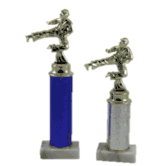

Wrestling Season Awards Beyond Tournament Champions
Published: January 28, 2026
Read Time: 12 minutes
Wrestling Awards
Season Recognition
Youth Sports
Team Culture
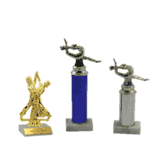
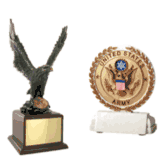
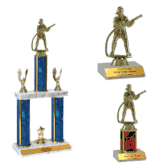
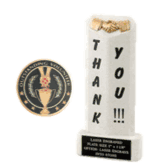
Championship matches last six minutes. Your wrestlers spent six months drilling takedowns, cutting weight, and discovering that mental toughness is not something you are born with - it is something you build through choosing to embrace suffering when every instinct screams to quit. Now the final whistle has blown. Your state qualifier earned their trophy at the tournament. But what about the sophomore who finally hit a double-leg in competition after drilling it 10,000 times? What about the senior who wrestled JV all four years but never missed practice? What about the freshman whose record was 4-18 but whose improvement from match one to match eighteen was remarkable? These wrestlers deserve recognition too. This guide provides 20 award categories that celebrate complete wrestlers - technique, toughness, work ethic, leadership, and the character that wrestling builds. Whether you coach youth programs, middle school teams, or high school varsity, you will find budget-friendly strategies to honor every athlete who earned their spot on the mat. Why Wrestling Recognition Extends Beyond Win-Loss RecordsWrestling is the most honest sport invented. You cannot hide behind teammates. You cannot blame the referee for long. When you step on the mat, the outcome depends entirely on preparation, technique, and willingness to push through discomfort that most people never experience. Tournament champions get their recognition - medals, their names announced, standing on the podium while cameras flash. But team recognition serves a different purpose. It honors the complete wrestler: the one whose technique improved dramatically, the practice room warrior who made everyone better through relentless intensity, the leader who built culture when coaches were not watching. According to The Mat, effective wrestling recognition programs improve retention, strengthen team culture, and teach athletes that success includes effort and improvement, not just victories. End-of-season awards create moments wrestlers remember long after their final match. Strategic recognition accomplishes three things. First, it acknowledges measurable progress that matters more than records. Second, it celebrates diverse contributions that make programs successful. Third, it reinforces that wrestling builds character through adversity, and character matters more than any individual match outcome. 20 Wrestling Recognition Categories That Honor Every CompetitorThe following categories cover competitive achievement, technical excellence, work ethic, and character. Mix and match based on your program size, competitive level, and budget. Every wrestler should receive at least one form of recognition - whether a trophy, medal, plaque, or certificate - that acknowledges their season. Performance Achievement Awards (5 Categories)Team MVPThe wrestler whose combination of competitive success, practice intensity, leadership, and team contribution defined your season. This is your wrestler who wins matches, mentors younger athletes, and sets the standard everyone else chases. Recognize with a 10-12 inch trophy or premium plaque that matches the significance of this honor. Most PinsPins are wrestling's most definitive victories. The wrestler who recorded the most pins demonstrated technical dominance and the ability to finish matches decisively. Track this throughout the season so the winner is statistically clear and earned. This award celebrates offensive aggression and finishing ability. Weight Class ChampionsRecognize the top performer in each weight class. Whether they won league, qualified for state, or simply dominated their classification throughout the season, these wrestlers represented your program at their weight. Consider separate awards for dual meet records vs. tournament performance if your program emphasizes both. Dual Meet MVPDual meets require different mental preparation than tournaments. This wrestler consistently delivered when team points mattered most, won crucial matches that swung duals, and performed under pressure when teammates depended on them. Dual meet specialists deserve recognition for team-first performance. Tournament Excellence AwardThe wrestler who peaked during championship season - conference, sectionals, districts, or state. Wrestling teaches preparation through months of grinding for tournament performance. This award celebrates the athlete who executed when competition was fiercest and stakes were highest, regardless of final placement. Technical Excellence Awards (5 Categories)Best Technique AwardWrestling is a chess match wrapped in a street fight. Technical mastery creates advantages that overcome strength and athleticism. Recognize the wrestler whose technique is textbook perfect - setups, shots, finishes, rides, and escapes executed with precision that makes wrestling look easy because the mechanics are that good. Takedown SpecialistWrestling is won and lost on takedowns. This wrestler consistently scored first, controlled matches from the opening whistle, and put opponents on their backs through relentless offensive wrestling. Whether single-legs, doubles, or ankle picks, this athlete dominated the neutral position and controlled match flow. Escape ArtistSome wrestlers refuse to stay down. This award goes to the athlete with the highest escape percentage, the wrestler who turned defensive positions into offensive opportunities, and who never gave up back points without a fight. Escapes demonstrate mat awareness, technique, and mental toughness under pressure. Most Technical FallsTechnical falls demonstrate sustained dominance - building a 15-point lead requires consistent scoring and technical superiority throughout the match. This wrestler did not just win, they imposed their will through superior positioning, constant pressure, and offensive wrestling that overwhelmed opponents. Most Improved WrestlerThe athlete whose technique development was most dramatic. This wrestler started the season struggling but committed to drilling, trusted coaching, and transformed their wrestling through dedication to improvement. Progress matters as much as results, and this award proves that hard work and coachability produce measurable growth. Work Ethic & Mental Toughness Awards (5 Categories)Practice Room WarriorMatches are won in practice rooms long before tournaments. This wrestler attacks every drill like a match, volunteers to go live when others are tired, and makes everyone better through relentless intensity. Practice warriors set the standard that builds championship programs. Recognize the athlete who treats practice like competition. Perfect Attendance AwardWrestling demands commitment through brutal practice schedules, weight management, and seasonal sacrifice. Recognize the wrestler who missed zero practices - a feat requiring dedication through illness, fatigue, academic pressure, and personal challenges. Consistency separates good wrestlers from great ones, and this award proves it. Mental Toughness AwardWrestling is as much mental as physical. This wrestler bounces back from losses without quitting, pushes through exhaustion when matches go into overtime, and chooses to fight when losing would be easier. Mental toughness cannot be taught - only demonstrated - and this wrestler showed it consistently. Iron Man AwardThe wrestler who competed in the most matches. Whether varsity or JV, this athlete stepped on the mat whenever needed, wrestled multiple weight classes, and provided depth that made your program competitive. Volume matters in wrestling - more matches mean more experience, toughness, and opportunities for growth. Comeback WrestlerThis wrestler overcame adversity - injury, early season struggles, or personal challenges - to finish strong. Wrestling teaches resilience through setbacks that would break athletes in softer sports. This award celebrates the wrestler who demonstrated that temporary defeat does not define you unless you let it. Leadership & Character Awards (5 Categories)Captain's Award / Leadership RecognitionWrestling is an individual sport that requires team culture. This award recognizes the wrestler who led through example, mentored younger athletes, reinforced program standards, and created the culture that made your season successful. Leadership in wrestling means showing others what commitment looks like when nobody is watching. Heart & Hustle AwardThe wrestler whose effort and intensity never wavered regardless of the score, opponent, or circumstances. This athlete dove for ankles when down 10 points, fought for escapes in the final seconds, and competed with maximum effort from opening whistle to final buzzer. Heart cannot be coached - only recognized. Best Teammate AwardWrestling is lonely during matches but communal in the room. This wrestler elevated everyone through encouragement, helped drill younger athletes, celebrated team success over personal glory, and built camaraderie that strengthened your program. Great teams need great teammates, and this wrestler exemplified what that means. Sportsmanship AwardThe competitor who represented your program with class - respected opponents and officials, handled victories and defeats with equal grace, and competed within the spirit of wrestling traditions. Character matters more than records, and this wrestler demonstrated that values extend beyond the mat into how you treat competition and community. Academic Excellence AwardWrestling demands time management through brutal practice schedules that force athletes to excel academically too. Recognize wrestlers who maintain high GPAs while meeting demanding team commitments. Consider requiring a 3.5 GPA or higher, proving that wrestlers can achieve excellence in multiple arenas simultaneously and that discipline applies everywhere. Pro Tip: Weight Class Recognition StrategyGive every weight class champion recognition even if they were the only wrestler at that weight. They still made weight all season, represented your program, and earned their spot. However, distinguish between competitive weight classes with multiple wrestlers and developmental weights where athletes filled holes. Transparency about competition level maintains credibility while still honoring every athlete's contribution. Budget Strategy: Meaningful Recognition for 30 Wrestlers at $13.33 EachWrestling programs range from small youth clubs to large high school programs with full varsity and JV rosters. This budget provides comprehensive recognition for a 30-wrestler program while maintaining quality. Mix recognition types strategically - premium awards for major categories, cost-effective options for participation and character. Total Investment: $400 for 30 Wrestlers ($13.33 per athlete)Major Awards (6 premium trophies for top categories):
Weight Class Champions (8 trophies for weight recognition):
Achievement Recognition (16 medals for secondary categories):
Team Participation Awards (certificates for all wrestlers):
Presentation Materials:
Cost-Saving Strategies: Order during late spring or summer when trophy demand is lowest and discounts are highest. TrophyCentral offers bulk pricing that significantly reduces per-unit costs on orders over 20 items. Consider perpetual plaques for annual awards like MVP - one-time $90 investment with $10 plates added yearly saves money long-term. Standardize trophy bases across categories to qualify for volume discounts. Mix recognition types strategically: premium trophies for performance, medals for achievement, certificates with individual stats for participation. Most suppliers offer free engraving and free shipping on orders over $99, reducing total costs significantly. When and How to Present Wrestling AwardsTiming and presentation approach significantly impact how meaningful recognition feels. Wrestling awards traditionally happen at end-of-season banquets, but alternative approaches work depending on program culture and wrestler ages. End-of-Season Banquet (Most Effective)Host a formal team banquet 1-2 weeks after your final tournament. Invite families, share season highlights through photos or video, recognize seniors with special acknowledgment, and present awards with context explaining why each wrestler earned recognition. This creates a celebratory atmosphere and gives families the opportunity to celebrate together. Allow 15-20 minutes for awards. Prepare written descriptions so presentations stay focused and meaningful. Championship Tournament RecognitionPresent awards immediately following your conference or state tournament while emotions are high and the season feels complete. This works well for programs where scheduling a separate banquet proves difficult. Keep presentations efficient since families are exhausted after tournament weekends, but the immediacy adds emotional weight and connects awards directly to competitive outcomes. Final Practice CeremonyGather wrestlers at your last practice for an informal awards presentation. This approach works well for youth programs or teams where formal banquets do not match program culture. The intimacy of team-only recognition can feel authentic, especially if your wrestlers prefer straightforward acknowledgment over elaborate ceremonies. Presentation Best PracticesRegardless of format, follow these principles. Speak specifically about why each wrestler earned recognition - generic praise means nothing in a sport this honest. For major awards like MVP, share concrete examples of matches, practice moments, or leadership that justified selection. Allow time for photos with coaches and teammates. For seniors, acknowledge their complete journey, not just the current season. Track awards throughout the season so presentations surprise no one and every wrestler knows recognition is coming. Pro Tip: Senior Recognition Beyond AwardsCreate individual senior presentations that share their wrestling journey from first practice to final match. Show younger wrestlers what four-year commitment looks like. Thank seniors for building your program even if their records were not championship-caliber. Their dedication set the example that creates culture, and younger wrestlers need to see that effort and character matter as much as wins. Common Wrestling Recognition Mistakes to AvoidEven well-intentioned recognition programs can undermine team culture. Avoid these pitfalls that diminish the impact of end-of-season awards and create division instead of unity. Mistake 1: Only Recognizing Varsity Wrestlers JV wrestlers work as hard as varsity. They drill the same techniques, make weight, and sacrifice their seasons. Ignoring them sends the message that only winning matters, which destroys program culture and encourages quitting. Every wrestler who made weight and competed all season deserves recognition for that commitment. Mistake 2: Ignoring Wrestlers with Losing Records Wrestling is the only sport where losing records are common and respectable. A freshman going 8-22 against varsity competition is learning more than a sophomore going 18-5 against weak opponents. Recognize improvement, technique development, and toughness regardless of record. Character awards exist for wrestlers whose records do not reflect their value. Mistake 3: Generic Award Presentations Handing out trophies without context wastes the opportunity to reinforce what made each wrestler special. Prepare specific comments for major awards. For team presentations, briefly explain what earned each athlete recognition. In a sport this demanding, generic "great season" comments insult the work wrestlers invested. Mistake 4: Last-Minute Award Decisions Track awards throughout the season so presentations are fair and transparent. Statistical awards like Most Pins should be beyond question. Subjective awards like Best Teammate gain credibility when coaches reference specific practices and moments. Last-minute scrambling creates rushed judgments that wrestlers will question and that undermine recognition credibility. Mistake 5: Forgetting the Losing Record Warriors The heavyweight who went 2-20 but never quit deserves recognition as much as your state qualifier. Wrestling builds character through losses more than wins. Acknowledge wrestlers who kept showing up despite tough records. They demonstrated toughness that many champions never face. What Effective Wrestling Recognition AccomplishesStrategic end-of-season recognition creates more than memories. It reinforces program values, validates struggle, and teaches lessons that extend far beyond the mat. Validating the Struggle Wrestling is uniquely difficult. Recognition acknowledges that difficulty and provides tangible evidence that the sacrifice mattered. The wrestler who went 10-15 but improved dramatically has proof that their work produced results. This validation matters enormously in a sport where winning is often elusive. Celebrating Diverse Excellence Not every valuable wrestler is a champion. Recognition categories that honor technique, work ethic, leadership, and character validate different paths to significance. This teaches athletes that teams need different contributions and that excellence includes multiple dimensions beyond competitive records. Building Program Culture The awards you emphasize communicate what your program values. Balance performance awards with character recognition. Celebrate improvement as much as championships. Acknowledge wrestlers who built culture through leadership and practice intensity. Your recognition priorities define the culture that determines long-term program success. Teaching Life Lessons Through Recognition Wrestling recognition reinforces principles that matter beyond sports: choosing to embrace difficulty builds strength, improvement requires patience and trust, mental toughness is a competitive advantage, and character matters when nobody is watching. Wrestlers carry these lessons into careers, relationships, and challenges that extend far beyond their final match. Ready to Celebrate Your Wrestlers?Your team survived an entire season of brutal practices, weight cuts, and discovering that toughness is built through choosing to keep going when quitting would be easier. They learned that wrestling is honest - you cannot hide from results, you cannot blame teammates, and success requires accepting discomfort that most people never face. Now it is time to celebrate their complete season with recognition that honors every contribution - from the state placer who brought home hardware to the JV wrestler who never quit despite a losing record. Make end-of-season awards memorable with quality trophies, medals, and plaques that wrestlers will display with pride. Explore our complete selection of wrestling trophies, achievement medals, and recognition plaques. Need guidance on the right recognition mix for your program? Our recognition experts understand wrestling and are ready to help you create end-of-season awards that honor the complete wrestler. Call 1-888-809-8800 to speak with a recognition specialist who understands wrestling programs. Visit TrophyCentral.com for complete wrestling recognition solutions with free engraving, bulk discounts, and fast shipping that gets awards to your banquet on time. |

FREE ENGRAVING ON
TROPHIES & PLAQUES

FAST, RELIABLE & SECURE
SHOP WITH CONFIDENCE

FREE ECONOMY SHIPPING OVER $99
ON 1000's OF SELECT TROPHIES & AWARDS

QUALITY CUSTOM AWARDS AT
DISCOUNTED PRICES

4.9 RATING Over 2,300 ★★★★★ Reviews

Trophy, Award & Engraving Experts
Trusted by Schools, Leagues & Businesses Since 1999
Trusted by Schools, Leagues & Businesses Since 1999