
free engraving
FREE ENGRAVING ON TROPHIES & PLAQUES
shop with confidence
FAST, RELIABLE & SECURE SHOP WITH CONFIDENCE
free economy shipping
FREE ECONOMY SHIPPING OVER $99 ON 1000's OF SELECT TROPHIES & AWARDS
discounted prices
QUALITY CUSTOM AWARDS AT DISCOUNTED PRICES
custom awards
4.9 RATING Over 2,300 ★★★★★ Reviews

Volunteer Service Awards: Recognizing the Heart of Communities


Every day across America, millions of volunteers step up to serve their communities without expecting anything in return. These unsung heroes dedicate their time, energy, and talents to causes that matter most to them and the people around them. While their motivation comes from within, recognizing their incredible contributions through volunteer service awards creates a powerful ripple effect that strengthens the entire fabric of community life.

The numbers tell an amazing story. More than 75.7 million people - or 28.3 percent of Americans - formally volunteered through an organization in 2023, giving more than 4.99 billion hours of service with $167.2 billion of economic value. This represents the largest expansion of formal volunteering ever recorded, showing that Americans are stepping up to help their neighbors in unprecedented ways.

The Power Behind Recognition

When we take time to honor volunteers with meaningful awards, something magical happens. Recognition transforms both the giver and receiver, creating connections that extend far beyond the moment of celebration. Volunteers who feel appreciated are more likely to continue their service, recruit friends and family to join them, and tackle even bigger challenges in their communities.

Think about it from a volunteer's perspective. After spending countless hours at a food bank, coaching youth sports, or helping elderly neighbors, receiving recognition validates that their efforts truly matter. It's not about ego or personal glory - it's about knowing that someone noticed their dedication and took time to say thank you in a meaningful way.

Organizations that implement robust volunteer recognition programs see remarkable results. Volunteer retention rates increase dramatically when people feel valued. New volunteers are more easily recruited when they see existing volunteers being celebrated and honored. The positive energy created by recognition events spreads throughout entire communities, inspiring others to get involved.

Understanding Different Types of Volunteer Service Awards

Volunteer service awards come in many forms, each serving different purposes and recognizing various types of contributions. Understanding these options helps organizations choose the most appropriate recognition for their volunteers' unique service.

Physical Awards That Last Forever

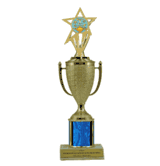
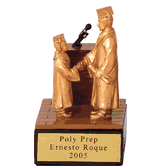
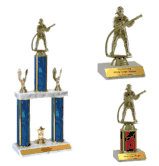
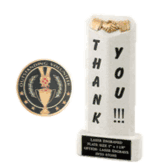
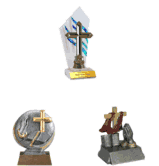
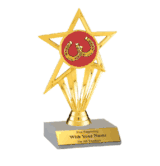
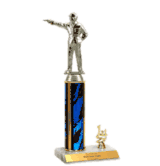
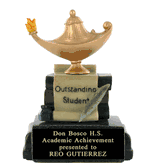
Tangible awards create lasting reminders of volunteer contributions that recipients can display with pride. Volunteer trophies range from elegant crystal pieces to traditional cup-style awards featuring volunteer-specific figures and engravings. These trophies work particularly well for volunteers who have demonstrated exceptional dedication over extended periods or achieved specific milestones.

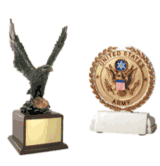
Award medals offer another excellent option, especially for larger groups of volunteers or annual recognition events. Volunteer medals come in various finishes and can be customized with ribbons, engravings, and special designs that reflect the specific type of service being honored.

Plaques provide formal recognition that volunteers can display in their homes or offices. These awards work particularly well for recognizing volunteers who have made significant impacts on specific projects or demonstrated leadership within volunteer organizations.

Certificates and Digital Recognition

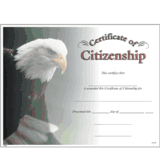
Certificates offer versatile recognition options that can be customized for any volunteer achievement using a certificate template. They work especially well for volunteer appreciation events, training completions, or milestone acknowledgments, particularly when using appreciation plaques. Digital certificates have gained popularity because they can be easily shared on social media, helping to promote volunteer programs while recognizing individual contributions.

Many organizations now combine physical and digital recognition, creating comprehensive programs that honor volunteers both privately and publicly. This approach maximizes the impact of recognition by reaching different audiences and providing multiple ways for volunteers to feel appreciated.

Major National Volunteer Recognition Programs

Several prestigious national programs set standards for volunteer recognition across the United States. Understanding these programs helps local organizations align their recognition efforts with broader national initiatives.

Presidential Recognition Programs

The President's Volunteer Service Award is on a temporary pause, as decided by AmeriCorps effective May 27, 2025. While this prestigious program remains paused, other national recognition opportunities continue to honor outstanding volunteer service.

Points of Light has the Daily Point of Light Award, which awards a volunteer each weekday throughout the year and was started in the White House in 1990. This program continues to recognize individuals who make extraordinary contributions to their communities through volunteer service.

Corporate and Foundation-Sponsored Awards

Many corporations and foundations sponsor volunteer recognition programs that operate at national and regional levels. The Prudential Spirit of Community Awards program is the United States' largest youth recognition program based exclusively on volunteer community service, honoring middle and high school students for outstanding service to others.

Women of Worth was created to honor those who go above and beyond, selflessly volunteering their time to empower others. Each year, 10 extraordinary women are chosen from thousands of nominations and honored for the impact they've made across a variety of charitable causes.

Specialized Recognition Programs

Different sectors have developed their own volunteer recognition programs tailored to specific types of service. The National Park Service presents Excellence in Volunteerism Awards, with over 27,000 volunteers under the age of 25 volunteering in National Park sites in 2023.

Educational institutions, healthcare organizations, religious groups, and environmental organizations often have their own recognition programs that celebrate volunteers who contribute to their specific missions. These specialized programs allow for more targeted recognition that speaks directly to volunteers' particular interests and contributions.

The Economic Impact of Volunteer Service

The economic value of volunteer service reaches staggering proportions that demonstrate just how vital these contributions are to American society. Independent Sector's current estimated national value of each volunteer hour is $33.49, representing a significant increase that reflects the growing recognition of volunteers' economic impact.

This economic valuation isn't just an interesting statistic - it represents real money that communities would otherwise need to spend on paid services. When volunteers staff food banks, mentor students, clean up parks, or provide disaster relief, they're essentially providing professional services at no cost to taxpayers or nonprofit organizations.

The 2021 Civic Engagement and Volunteering Supplement found that those who formally volunteered gave more than 4.1 billion hours of service with an estimated economic value of $122.9 billion. Even during the challenging pandemic years, volunteers continued contributing enormous value to their communities.

Understanding these economic impacts helps organizations make the case for investing in volunteer recognition programs through a quality trophy store. When volunteers contribute hundreds or thousands of dollars worth of service to an organization, spending money on meaningful recognition becomes a wise investment in retaining that valuable contribution.

Virtual Volunteering and Modern Recognition

The landscape of volunteer service has evolved dramatically, especially following the pandemic. For the first time, the 2023 survey tracked virtual volunteering, showing that 18% of formal volunteers served completely or partially online. This shift has created new opportunities and challenges for volunteer recognition.

Virtual and hybrid volunteers reported engaging in more hours of service per year (95 hours) than those who volunteered solely in-person (64 hours). This increased engagement from virtual volunteers demonstrates the effectiveness of online service opportunities and highlights the need for recognition programs that acknowledge this type of contribution.

Virtual recognition ceremonies, digital badges, social media shout-outs, and online appreciation events have become important tools for honoring volunteers who serve remotely. Organizations have learned to combine traditional recognition methods with digital approaches to create comprehensive appreciation programs that reach all volunteers regardless of how they serve.

Designing Effective Volunteer Recognition Programs

Creating a recognition program that truly motivates and appreciates volunteers requires thoughtful planning and attention to what volunteers actually value. The most effective programs combine multiple types of recognition, offer opportunities for both public and private appreciation, and align recognition with volunteers' personal motivations for serving.

Timing Recognition Appropriately

The timing of recognition can significantly impact its effectiveness. Immediate recognition for specific achievements or exceptional service creates strong positive reinforcement. Annual recognition events provide opportunities for more formal, elaborate appreciation that brings volunteers together as a community.

Many successful organizations use a tiered approach, offering immediate appreciation for day-to-day contributions while building toward more significant recognition for major milestones or outstanding achievements. This approach ensures that all volunteers feel appreciated while creating special moments for those who go above and beyond.

Personalizing Recognition

Generic appreciation rarely creates the emotional impact of personalized recognition. Effective volunteer recognition programs take time to understand what motivates individual volunteers and tailor appreciation accordingly. Some volunteers prefer public recognition, while others value private acknowledgment. Some appreciate formal awards, while others prefer heartfelt written notes or personal conversations.

The most powerful recognition programs combine personal knowledge of volunteers with appropriate recognition methods. This might mean presenting a trophy to a competitive volunteer who loves achievement, writing a heartfelt letter to someone who values personal connection, or making a donation to a cause that matters to a volunteer who prefers others benefit from their recognition.

Making Recognition Meaningful

Meaningful recognition goes beyond generic thank-you gestures to acknowledge specific contributions and their impact. Instead of saying "thanks for volunteering," effective recognition describes exactly what the volunteer accomplished and how it made a difference. This specificity shows that the organization truly understands and values the volunteer's unique contribution.

Stories play a crucial role in meaningful recognition. Sharing specific examples of how a volunteer's service helped individuals or improved community conditions creates emotional connections that generic appreciation cannot achieve. These stories also help other volunteers understand the impact of their own service and inspire continued engagement.

Recognition Beyond Individual Volunteers

While individual volunteer recognition receives most attention, recognizing volunteer teams, families, and supporting organizations creates broader appreciation for the volunteer ecosystem that makes community service possible.

Team and Group Recognition

Many volunteer efforts involve teams working together toward common goals. Recognizing these collective efforts celebrates collaboration and shared achievement while building stronger connections among volunteers. Group recognition can include team awards, group photos, and celebrations that bring volunteers together to appreciate their shared success.

Family volunteer recognition acknowledges the growing trend of multi-generational service. The most likely person to volunteer is a woman between the ages of 34 and 55, with a child under the age of 18, and many families volunteer together. Recognizing family volunteer efforts encourages continued multi-generational service and models civic engagement for young people.

Corporate and Organizational Support

Businesses and organizations that encourage and support employee volunteering deserve recognition for their role in strengthening communities. Corporate volunteer recognition programs acknowledge companies that provide volunteer time off, organize group volunteer activities, or support employee volunteer efforts in other ways.

This type of recognition creates positive publicity for supportive employers while encouraging other businesses to develop their own volunteer programs. It also helps volunteers feel that their employers value their community service, creating stronger connections between workplace and community engagement.

Measuring the Impact of Recognition Programs

Effective volunteer recognition programs track their impact to ensure they're achieving desired outcomes and continuously improve their approach. Measuring recognition program effectiveness helps organizations justify investments in volunteer appreciation and identify opportunities for enhancement.

Volunteer Retention and Recruitment

The most direct measure of recognition program success is volunteer retention rates. Organizations with strong recognition programs typically see volunteers continuing their service for longer periods and taking on increasing responsibilities over time. They also find that recognized volunteers become effective recruiters, bringing friends and family members into volunteer service.

Tracking volunteer progression from initial service to leadership roles provides another important measure of recognition program effectiveness. Volunteers who feel appreciated are more likely to take on additional responsibilities and develop into volunteer leaders who can mentor others and help organizations expand their impact.

Community Impact and Awareness

Recognition programs that celebrate volunteers publicly often increase community awareness of volunteer opportunities and inspire others to get involved. Measuring increases in volunteer applications, inquiries, or community engagement following recognition events helps organizations understand the broader impact of their appreciation efforts.

Media coverage of volunteer recognition events, social media engagement around volunteer appreciation posts, and community feedback about recognition programs provide additional measures of how well these efforts resonate with broader audiences and promote volunteer service.

Creating Memorable Recognition Events

Recognition events provide opportunities to celebrate volunteers publicly while creating experiences that strengthen volunteer connections and inspire continued service. The most successful recognition events combine formal appreciation with opportunities for volunteers to connect with each other and share their service experiences.

Annual Appreciation Celebrations

Annual volunteer appreciation events allow organizations to recognize multiple volunteers simultaneously while creating festive atmospheres that celebrate the entire volunteer community. These events work particularly well when they include elements that reflect the organization's mission and the volunteers' specific contributions.

Successful appreciation events often feature stories of volunteer impact, testimonials from service recipients, and opportunities for volunteers to share their own experiences. Including food, music, and social activities creates celebratory atmospheres that volunteers remember long after the events end.

Award Presentations and Ceremonies

Formal award presentations provide opportunities to honor exceptional volunteers with appropriate ceremony and recognition. These presentations work best when they include specific descriptions of volunteer achievements and their community impact, making the recognition meaningful for recipients and inspiring for other attendees.

Including family members and friends in award presentations increases the recognition's impact and helps expand community awareness of volunteer contributions. Many volunteers appreciate the opportunity to share their recognition with loved ones who support their service efforts.

Special Considerations for Different Types of Volunteer Service

Different types of volunteer service may require tailored recognition approaches that acknowledge the unique challenges and contributions of specific volunteer roles.

Long-term vs. Short-term Volunteers

Long-term volunteers who provide consistent service over months or years deserve different recognition than volunteers who contribute to specific events or short-term projects. Long-term volunteer recognition might focus on cumulative impact and sustained dedication, while short-term volunteer appreciation might emphasize specific achievements or exceptional effort during limited timeframes.

Many organizations use milestone recognition for long-term volunteers, celebrating anniversaries of service or hours contributed. These milestones provide natural opportunities for appreciation while encouraging volunteers to continue their service toward the next recognition level.

Skilled vs. General Volunteers

Volunteers who contribute specialized professional skills often make different types of impacts than volunteers who provide general assistance. Professional volunteers might help organizations with legal services, marketing expertise, or financial guidance, while general volunteers might assist with events, administrative tasks, or direct service activities.

Recognition for skilled volunteers might emphasize the professional value of their contributions and the money saved by not having to purchase those services. Recognition for general volunteers might focus on their reliability, enthusiasm, or the personal connections they create with service recipients.

Technology and Modern Volunteer Recognition

Modern technology provides new tools for recognizing volunteers and tracking their contributions in ways that weren't possible just a few years ago. Digital platforms allow organizations to maintain detailed records of volunteer service, automate certain types of recognition, and create online communities where volunteers can be appreciated and connect with each other.

Digital Badges and Online Recognition

Digital badges provide immediate recognition that volunteers can share on social media, professional networking sites, or personal websites. These badges can be automatically awarded when volunteers reach certain milestones or complete specific training programs, providing instant gratification for achievements.

Online volunteer recognition platforms allow organizations to create virtual halls of fame, share volunteer success stories, and provide ongoing appreciation through social media integration. These platforms make recognition more accessible and shareable while creating permanent records of volunteer contributions.

Volunteer Management Systems

Comprehensive volunteer management systems track volunteer hours, activities, and achievements in ways that make recognition more systematic and fair. These systems can automatically identify volunteers who deserve recognition based on preset criteria, ensuring that appreciation efforts don't overlook deserving volunteers.

Integration between volunteer management systems and recognition programs allows organizations to create personalized appreciation that acknowledges volunteers' specific contributions and service history. This personalization makes recognition more meaningful while reducing the administrative burden of managing appreciation programs.

The Ripple Effects of Volunteer Recognition

The impact of volunteer recognition extends far beyond the individuals being honored. When volunteers feel appreciated and valued, they become ambassadors for their organizations and advocates for volunteer service in general. This advocacy helps build stronger volunteer cultures within communities and encourages others to get involved in meaningful service.

Volunteers donate to charity at twice the rate as non-volunteers. Nearly 80 percent of volunteers donated to charity, compared to 40 percent of non-volunteers. This statistic demonstrates that volunteers who feel connected to causes through their service often become financial supporters as well, multiplying their impact on the organizations they serve.

Recognition programs also help build stronger connections between volunteers and the communities they serve. When volunteers feel appreciated, they're more likely to develop deep emotional connections to their service areas and become long-term advocates for the populations they help.

Building Recognition Into Organizational Culture

The most effective volunteer recognition happens when appreciation becomes integrated into every aspect of an organization's culture rather than being limited to formal programs or special events. Organizations that excel at volunteer recognition create environments where appreciation happens naturally and consistently.

Training Staff and Leaders

Staff members and organizational leaders need training on effective volunteer recognition techniques to ensure that appreciation happens consistently and meaningfully. This training should cover different recognition methods, timing considerations, and ways to personalize appreciation for individual volunteers.

Leadership commitment to volunteer recognition sets the tone for entire organizations. When leaders consistently model appreciation behavior and prioritize volunteer recognition, staff members and other volunteers follow their example, creating cultures where appreciation becomes natural and expected.

Systematic Approach to Recognition

Systematic recognition programs ensure that all volunteers receive appropriate appreciation for their contributions. These systems might include automatic recognition for service milestones, regular appreciation check-ins, and structured processes for identifying volunteers who deserve special recognition.

Documentation and tracking help organizations ensure that recognition efforts are fair, consistent, and comprehensive. Maintaining records of recognition provided helps organizations identify volunteers who might have been overlooked and track the effectiveness of different appreciation approaches.

Future Trends in Volunteer Recognition

Volunteer recognition continues evolving as organizations learn more about what motivates volunteers and as technology provides new tools for appreciation. Understanding emerging trends helps organizations stay current with best practices and meet changing volunteer expectations.

Personalization and Customization

Future recognition programs will likely become increasingly personalized, using data about volunteer preferences and motivations to tailor appreciation approaches for individual volunteers. This personalization might include custom recognition methods, timing preferences, and even personalized award designs that reflect volunteers' specific interests or service areas.

Artificial intelligence and machine learning might help organizations identify optimal recognition strategies for individual volunteers based on their service history, demographic characteristics, and response to previous appreciation efforts.

Integration with Social Impact

Recognition programs may increasingly focus on demonstrating the specific social impact created by volunteer service rather than simply acknowledging time contributed or activities completed. This impact-focused approach helps volunteers understand the concrete difference their service makes while providing more meaningful recognition.

Storytelling and narrative approaches to recognition will likely become more sophisticated, using multimedia presentations and data visualization to show volunteers the communities they've helped and the lives they've impacted through their service.

Getting Started with Volunteer Recognition

Organizations ready to improve their volunteer recognition programs can start with simple steps that immediately increase volunteer appreciation while building toward more comprehensive recognition systems.

Begin by surveying current volunteers to understand what types of recognition they value most and how they prefer to be appreciated. This information provides the foundation for recognition programs that truly resonate with volunteers rather than reflecting what organizations think volunteers want.

Start small with immediate recognition for outstanding service or major milestones while planning larger recognition events or programs. Even simple appreciation efforts like handwritten thank-you notes or public acknowledgments at meetings can significantly impact volunteer satisfaction and retention.

Consider partnering with other organizations to create community-wide volunteer recognition programs that celebrate service across multiple agencies and causes. These collaborative efforts often have greater impact than individual organizational programs while building stronger volunteer communities.

The Heart of Community Service

Volunteer service awards represent much more than recognition for individual achievement. They celebrate the fundamental values that hold communities together: compassion, generosity, civic engagement, and the belief that we all have responsibility for each other's wellbeing.

When we take time to honor volunteers with meaningful recognition, we strengthen the entire ecosystem of community service. We show potential volunteers that their contributions will be valued. We demonstrate to current volunteers that their service matters. We remind entire communities that volunteer service deserves celebration and support.

AmeriCorps CEO Michael D. Smith noted, "We are witnessing a remarkable resurgence in volunteering. By focusing on impact rather than just counting hours of service, we are closing the gap between those in need and the support they deserve". This perspective emphasizes that effective volunteer recognition should acknowledge not just the time volunteers give, but the meaningful change they create in their communities.

The heart of every community beats strongest when its volunteers feel appreciated, valued, and connected to the positive change they create through their service. Volunteer service awards provide one powerful way to nurture this connection while inspiring others to join the amazing tradition of American volunteerism.

Every volunteer deserves recognition. Every community benefits when volunteers feel appreciated. Every organization grows stronger when it celebrates the people who make its mission possible. In this spirit, volunteer service awards truly represent recognition of the heart of our communities.


References

1. AmeriCorps. "More than 75.7 Million People Volunteered in America, AmeriCorps Reports." https://www.americorps.gov/about/our-impact/volunteering-civic-life

2. U.S. Census Bureau. "New U.S. Census Bureau and AmeriCorps Research Tracks Virtual Volunteering for First Time." https://www.census.gov/library/stories/2024/11/civic-engagement-and-volunteerism.html

3. Independent Sector. "Value of Volunteer Time." https://independentsector.org/research/value-of-volunteer-time/

4. Points of Light. "Daily Point of Light Award and Recognition Products." https://www.pointsoflight.org/recognition-products/

5. Wikipedia. "List of Volunteering Awards." https://en.wikipedia.org/wiki/List_of_volunteering_awards


⭐ 2,300+ 5-Star Reviews | 🏆 25+ Years Experience | 🚚 Fast Shipping | ✓ 100% Satisfaction Guarantee


Bing Tag