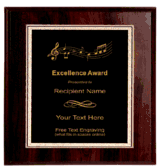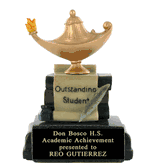

A Guide to Prestigious Music Awards from Grammys to School Honors |
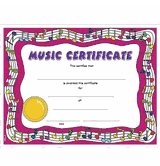
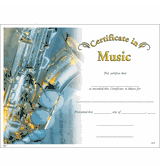
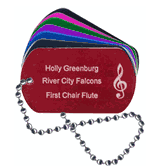
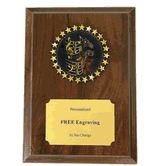
Music has always been a universal language, capable of moving audiences to tears, joy, and awe. Recognizing musical achievement has long been a tradition across cultures, from ancient civilizations celebrating their court musicians to modern award ceremonies broadcast worldwide. Today's music recognition landscape spans from the glittering Grammy Awards ceremony to intimate school concerts where students receive their first musical honors. The continuum of musical recognition serves multiple purposes beyond simple acknowledgment. Awards inspire excellence, preserve musical traditions, celebrate innovation, and provide crucial financial support for developing artists. Whether it's a Grammy winner thanking their influences or a high school student earning their first All-State chair, music awards connect generations of musicians and create pathways for artistic growth. Understanding the hierarchy and significance of music awards helps musicians, educators, and music lovers appreciate the journey from classroom to concert hall. This comprehensive guide explores the most prestigious recognitions available to musicians at every level, from elementary school through professional careers. Major Global Music AwardsAt the pinnacle of music recognition stand the industry's most coveted honors, with the Grammy Awards leading as the most prestigious peer-voted recognition in the music world. The Grammy Awards, presented annually by The Recording Academy, represent the highest honor that the music industry bestows upon recording artists, producers, and engineers. Established in 1957, the Grammy Awards recognize outstanding achievements across 94 categories spanning pop, rock, country, R&B, rap, jazz, classical, musical theater, and more. The rich history of the GRAMMYs includes legendary moments from icons like Stevie Wonder, Michael Jackson, Beyonce, and Taylor Swift, each contributing to the award's legacy as Music's Biggest Night. The Grammy voting process involves thousands of music professionals who are voting members of The Recording Academy. This peer-recognition system ensures that winners are chosen by their fellow musicians, producers, and industry professionals rather than popular vote, maintaining the award's credibility as a measure of artistic excellence rather than commercial success alone. Recent Grammy ceremonies have expanded to embrace diverse musical genres and global influences. The 2025 GRAMMYs made history with groundbreaking wins across multiple categories, while the 2026 GRAMMYs will introduce new categories including Best Traditional Country Album and Best Album Cover, reflecting the evolving musical landscape. Beyond the main ceremony, the Grammy Awards encompass several related honors including the Latin Grammy Awards, which celebrate Spanish and Portuguese-language recordings, and the Grammy Museum's educational initiatives that preserve and share music history with future generations. Prestigious Classical and Jazz HonorsWhile mainstream awards often dominate headlines, classical and jazz communities maintain their own prestigious benchmarks of excellence that carry enormous weight within their respective artistic circles. The Pulitzer Prize for MusicAmong America's most distinguished cultural honors, the Pulitzer Prize for Music has recognized exceptional musical composition since 1943. Originally focused on classical compositions, the prize has evolved to embrace diverse American musical forms including jazz, hip-hop, and other contemporary genres. Notable Pulitzer Prize winners include Aaron Copland for Appalachian Spring, Wynton Marsalis for Blood on the Fields (the first jazz work to win), and Kendrick Lamar for DAMN (the first hip-hop work to receive the honor). This evolution reflects the prize committee's recognition that American musical excellence transcends traditional genre boundaries. Recent winners like Tyshawn Sorey, who won the 2024 Pulitzer Prize for Music for his work Adagio (For Wadada Leo Smith), demonstrate the continued relevance of this prestigious recognition in celebrating innovative American musical composition. NEA Jazz MastersIn the jazz world, no honor carries more prestige than the NEA Jazz Masters Fellowship. The NEA Jazz Masters Fellowship represents the highest honor that the United States bestows upon jazz artists, recognizing individuals who have made exceptional contributions to the advancement of jazz. Since 1982, this program has elevated legendary figures including Miles Davis, Ella Fitzgerald, Dizzy Gillespie, and more recently, the 2025 NEA Jazz Masters Marshall Allen, Marilyn Crispell, and Chucho Valdes. Each fellowship includes a $25,000 award and recognition at a special concert held at the Kennedy Center in Washington, D.C. The program also includes the A.B. Spellman NEA Jazz Masters Award for Jazz Advocacy, recognizing individuals who have made major contributions to the appreciation, knowledge, and advancement of jazz through education, journalism, or other advocacy efforts. Other Notable Classical HonorsThe classical music world recognizes excellence through various prestigious competitions and awards. The Van Cliburn International Piano Competition, held every four years in Fort Worth, Texas, launches careers of exceptional pianists. Similarly, the Tchaikovsky Competition in Moscow and the Queen Elisabeth Competition in Brussels represent pinnacles of achievement for classical musicians. In the United States, the Avery Fisher Prize and the Lincoln Center Award recognize exceptional musical achievement, while the MacArthur Fellowship occasionally honors composers and musicians whose work demonstrates exceptional creativity and potential for contribution to society. Student Competitions and School AwardsPrestigious music awards extend far beyond professional achievements to encompass the educational journey where musical excellence first takes root. Student competitions and school-based honors provide crucial stepping stones for developing musicians while celebrating achievement at every level of musical education. High School Level CompetitionsAt the high school level, All-State music programs represent the pinnacle of student achievement. Each state selects its finest young musicians through competitive auditions to participate in All-State bands, orchestras, and choirs. These programs not only honor individual excellence but also provide intensive musical experiences that shape future professionals. The highest level of high school recognition comes through programs like the former NAfME All-National Honor Ensembles, which brought together the most exceptional high school musicians from across the United States. While this particular program has been suspended, state-level All-State programs continue to thrive. Regional competitions also provide important recognition opportunities. Programs like state solo and ensemble contests allow individual students and small groups to showcase their abilities while receiving valuable feedback from professional adjudicators. Individual competitions such as the YoungArts program provide national recognition for exceptional high school artists. YoungArts accepts applications from young artists aged 15-18 in classical music, jazz, and other artistic disciplines, offering cash awards up to $10,000 and potential recognition as U.S. Presidential Scholars in the Arts. College Level CompetitionsCollege-level music competitions bridge the gap between educational achievement and professional recognition. National competitions like those sponsored by the National Federation of Music Clubs (NFMC) offer more than $750,000 in competition and award prizes annually across categories including voice, instrumental music, composition, and conducting. The NFMC's Biennial Young Artist and Ellis Duo-Pianists competitions award a total of $92,000 in prizes and two years of performance bookings to winners, providing crucial career launch opportunities for exceptional young musicians. Individual universities also sponsor major competitions that attract national attention. The Van Cliburn International Piano Competition for Outstanding Amateurs and various conservatory-sponsored competitions provide platforms for college students to gain recognition and advance their careers. Music scholarship competitions represent another crucial category of college-level recognition. Music scholarships from organizations like the Jack Kent Cooke Foundation, ASCAP Foundation, and numerous other sources provide both recognition and financial support for promising young musicians. Specialized Student ProgramsBeyond traditional competitions, specialized programs recognize diverse aspects of musical achievement. The Schmidt Vocal Competition supports young opera singers, while various instrumental-specific competitions focus on particular instruments or ensemble configurations. Technology has also enabled new forms of recognition through online competitions and virtual showcases, expanding opportunities for students who might not have access to traditional regional competitions. The Role of School Music AwardsBeyond formal competitions, schools themselves play a crucial role in music recognition through annual awards and honors that acknowledge student achievement, growth, and contribution to school musical programs. Common school-based music awards include Outstanding Musician recognitions, which celebrate overall musical excellence across multiple areas; Best Soloist awards for exceptional individual performances; section leader recognitions that acknowledge both musical ability and leadership qualities; and most improved musician awards that celebrate growth and dedication. Departmental honors such as induction into the Tri-M Music Honor Society recognize students who demonstrate excellence in musical achievement, academic performance, character, and service. These honors often provide the first formal recognition many students receive for their musical accomplishments. Many schools also maintain their own hall of fame or legacy programs that recognize alumni who have gone on to achieve professional success in music, creating inspiring examples for current students while honoring the school's musical tradition. Service awards recognize students who contribute significantly to the music program through peer mentoring, equipment maintenance, concert production assistance, or community outreach performances. These recognitions acknowledge that musical programs depend on dedicated students who contribute beyond their own performance requirements. Music Education RecognitionThe music education community maintains its own system of prestigious awards that recognize excellence in teaching, program development, and student achievement. These awards acknowledge that outstanding musical achievement often stems from exceptional instruction and program leadership. The Grammy Music Educator Award represents one of the highest honors available to music teachers, recognizing educators who have made significant contributions to music education. This award, presented annually during Grammy Week, brings national attention to the crucial role of music education in developing musical talent. Individual state music education associations sponsor numerous awards recognizing teaching excellence, program innovation, and student achievement. State music education awards often include categories for outstanding music educators, exceptional school programs, and innovative teaching approaches. Professional music education organizations such as NAfME (National Association for Music Education) sponsor awards recognizing various aspects of music education excellence, from individual teaching achievement to program innovation and community engagement. International Recognition and ExchangeThe global nature of music creates opportunities for international recognition that transcend national boundaries. International competitions, exchange programs, and cultural ambassador designations provide musicians with worldwide recognition opportunities. Major international competitions such as the International Tchaikovsky Competition, the Chopin International Piano Competition, and the Queen Elisabeth Competition attract participants from around the world and provide career-launching recognition for winners. Cultural exchange programs sponsored by organizations like the U.S. State Department designate American musicians as cultural ambassadors, providing both recognition and opportunities to represent American musical achievement internationally. International youth orchestras and ensembles, such as the Gustav Mahler Youth Orchestra and the World Youth Symphony Orchestra, provide recognition for exceptional young musicians while offering unprecedented musical experiences and networking opportunities. Industry-Specific RecognitionDifferent sectors of the music industry maintain specialized award systems that recognize excellence within particular musical communities or career paths. The music therapy field recognizes excellence through awards sponsored by the American Music Therapy Association, acknowledging both clinical excellence and research contributions that advance the field. Music business and technology awards recognize innovation in areas such as sound engineering, music production, and music technology development. Organizations like the Audio Engineering Society sponsor awards that recognize technical achievement alongside artistic excellence. Composition awards span from the traditional (such as those sponsored by symphony orchestras commissioning new works) to contemporary (recognizing film scoring, video game music, and other modern compositional applications). The Digital Age and Music RecognitionDigital technology has transformed music recognition by creating new platforms for discovery and acknowledgment of musical talent. Social media competitions, streaming platform playlisting, and online showcase opportunities provide alternative pathways to traditional recognition systems. Virtual competitions emerged during the COVID-19 pandemic and continue to provide accessible recognition opportunities for musicians who might not be able to participate in traditional in-person competitions. Online masterclasses and virtual mentorship programs create new forms of recognition through direct interaction with professional musicians and educators, providing personalized acknowledgment of student achievement. Building a Recognition PortfolioFor developing musicians, building a portfolio of recognitions requires strategic planning and consistent excellence across multiple areas. The most successful musical careers often begin with school-based honors, progress through regional and state competitions, and culminate in national or international recognition. Understanding the progression from local to international recognition helps students and educators plan developmental pathways that build upon previous achievements while working toward increasingly prestigious goals. Documentation of achievements through recordings, programs, reviews, and certificates creates the foundation for scholarship applications, college admissions, and professional opportunities that rely on demonstrated excellence. ConclusionFrom global icons receiving Grammy Awards to high school students earning placement in All-State ensembles, music awards serve as a continuum of inspiration that honors achievement, motivates future generations, and creates a legacy where passion for music thrives across all ages and skill levels. These recognitions do more than simply acknowledge past achievement; they create pathways for future success, provide financial support for developing artists, and maintain standards of excellence that inspire continued growth within the musical community. The interconnected nature of music recognition - from elementary school certificates to professional lifetime achievement awards - demonstrates that musical excellence is not a destination but a journey of continuous growth, learning, and contribution to the rich tapestry of human musical expression. Whether pursuing recognition as a performer, composer, educator, or music advocate, understanding the landscape of musical honors helps individuals chart courses toward meaningful achievement while contributing to the ongoing evolution of musical art and education. Sources and References1. The Recording Academy and Grammy Awards, Official Grammy Awards Website 2. Grammy Awards History and Winners, Grammy Awards Nominations and Winners 3. Pulitzer Prize in Music, Pulitzer Prize for Music - Wikipedia 4. National Endowment for the Arts, NEA Jazz Masters Fellowships 5. National Association for Music Education, All-National Honor Ensembles 6. Student Music Scholarships and Awards, NAfME Student Scholarships 7. National Federation of Music Clubs, NFMC Competitions and Awards 8. Music Education Awards, Maryland Music Educators Association Awards Additional data sources: Recording Industry Association of America (RIAA), International Association of Music Libraries, Society for Music Theory, College Music Society, and other professional music organizations dedicated to recognizing and advancing musical excellence at all levels of achievement. |