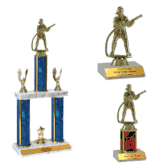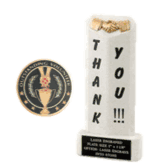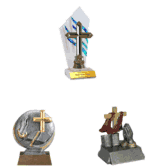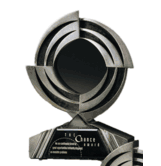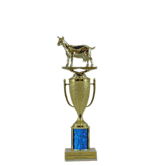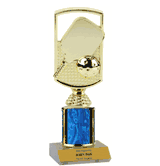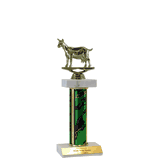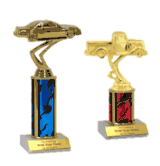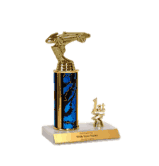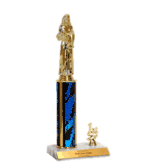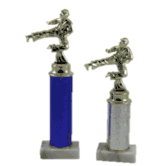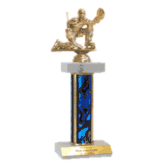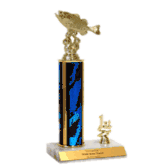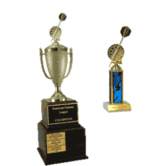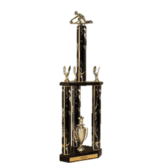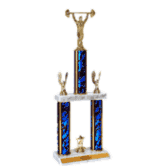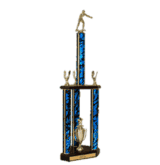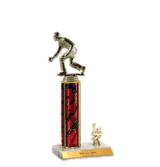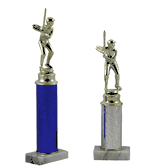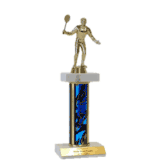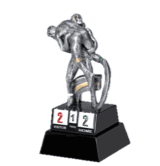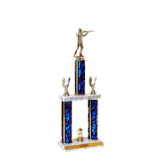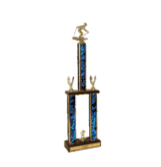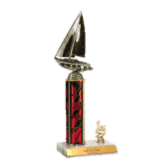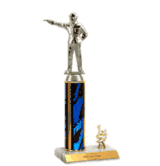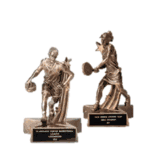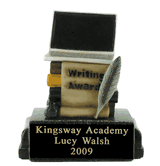


Perpetual trophies and plaques represent the pinnacle of long-term recognition, creating lasting monuments to excellence that honor multiple winners across years or decades. Unlike individual awards that celebrate a single achievement, perpetual awards establish ongoing legacies that motivate continued excellence while building institutional memory and tradition. Whether you're establishing an annual scholarship award, recognizing employee of the month achievements, or honoring championship teams year after year, perpetual recognition creates powerful connections between past accomplishments and future aspirations.
The psychological impact of perpetual recognition extends far beyond individual acknowledgment to create what researchers call "institutional pride and continuity." According to a comprehensive study by the Society for Human Resource Management, organizations using perpetual recognition systems show 28% higher employee engagement and 35% stronger organizational identity compared to those relying solely on individual awards. The visible presence of perpetual awards creates daily reminders of excellence standards while inspiring recipients to join the distinguished ranks of previous honorees.
Legacy Recognition Power! Harvard Business School research found that perpetual awards increase achievement motivation by 43% compared to individual trophies. The psychological drive to "join the legacy" of previous winners creates sustained motivation that individual recognition cannot match.
Modern perpetual awards have evolved from simple engraved plates to sophisticated recognition systems incorporating multiple materials, design elements, and customization options that reflect organizational values while maintaining professional appearance for decades of use. Understanding the various types, materials, design considerations, and maintenance requirements helps organizations create perpetual recognition programs that build lasting legacies while staying within budget and timeline constraints.
Understanding Perpetual Trophy and Plaque Systems
Perpetual recognition systems consist of a main award body designed to accommodate multiple years of winner recognition through removable or permanently attached plates, plaques, or engraving areas. The fundamental concept involves creating a central focal point that honors the achievement category while providing space for multiple winner acknowledgments over extended periods.
Perpetual Trophies
Three-dimensional awards with attached plates or engraving areas. Perfect for championship recognition, annual excellence awards, and competitive achievements requiring prominent display.
Perpetual Plaques
Wall-mounted recognition systems with multiple nameplate areas. Ideal for employee recognition, donor acknowledgment, and space-efficient long-term recognition programs.
Hybrid Systems
Combined trophy and plaque elements creating versatile recognition options. Great for organizations needing both display and wall-mount capabilities.
Traditional Perpetual Trophy Construction
Classic perpetual trophies feature substantial bases or pedestals designed to accommodate multiple years of winner plates while maintaining balanced proportions and stable display characteristics. The most common designs include tiered bases with multiple plate levels, cylindrical columns with wraparound plate areas, and custom sculptural elements with integrated recognition spaces.
Base construction typically utilizes materials like solid wood, marble, metal, or composite materials chosen for durability and appearance. Wood bases offer warm, traditional appeal with excellent engraving characteristics, while marble provides elegant, professional appearance with superior longevity. Metal bases deliver modern aesthetics with excellent durability, and composite materials enable cost-effective solutions for budget-conscious programs.
Plate attachment systems vary from permanent engraving directly into trophy bases to removable magnetic or mechanical attachment systems that allow for plate updates and replacements. Permanent engraving creates seamless appearance but requires careful planning, while removable systems provide flexibility for corrections and updates at the cost of slightly less elegant appearance.
Perpetual Plaque Design Systems
Wall-mounted perpetual plaques maximize space efficiency while providing excellent visibility for multiple winner recognition. These systems typically feature header areas identifying the award category combined with organized grid layouts accommodating numerous individual recognition plates over many years.
Layout planning represents one of the most critical aspects of perpetual plaque design, requiring careful consideration of expected winner quantities, timeline projections, and aesthetic balance. Common configurations include symmetrical grid patterns, chronological arrangements, and custom layouts designed around organizational logos or decorative elements.
Material selection for perpetual plaques influences both appearance and longevity, with options including solid wood, laminated composites, metal constructions, and acrylic systems. Each material offers distinct advantages regarding cost, appearance, engraving characteristics, and maintenance requirements that affect long-term satisfaction and functionality.
Planning Your Perpetual Award Program
Successful perpetual recognition requires strategic planning that considers program duration, winner frequency, display requirements, budget implications, and long-term maintenance needs. Unlike individual awards, perpetual systems represent multi-year commitments requiring careful upfront planning to ensure ongoing success and sustainability.
Essential Planning Considerations
- Program Duration: Plan for minimum 10-20 year capacity to justify investment
- Winner Frequency: Annual, quarterly, or monthly recognition affects size requirements
- Display Location: Permanent, secure location with appropriate visibility
- Budget Allocation: Higher upfront costs spread across multiple years of use
- Maintenance Planning: Regular cleaning, plate updates, and potential repairs
Capacity Planning and Future Growth
Determining appropriate capacity requires balancing immediate needs with long-term projections while considering space constraints and aesthetic proportions. Under-sizing perpetual awards creates problems within a few years, while over-sizing can make awards appear empty or disproportionate during early years.
Conservative planning typically assumes 15-25 year capacity for annual awards, providing substantial longevity while maintaining manageable size. Monthly recognition programs require significantly more capacity, often necessitating larger formats or multiple award systems to maintain reasonable proportions and manageable costs.
Growth accommodation strategies include modular systems that accept additional sections, expandable designs with optional add-on components, and planned replacement schedules that retire completed awards to special display areas while introducing fresh recognition systems.
Location and Display Considerations
Perpetual awards require permanent display locations with appropriate security, visibility, and environmental conditions that protect investment while maximizing recognition impact. Location selection influences award size, mounting requirements, and long-term accessibility for updates and maintenance.
High-traffic areas maximize recognition visibility but may require more robust construction and enhanced security measures. Executive areas provide prestigious display locations but may limit public visibility that motivates widespread excellence. Reception areas offer excellent balance between visibility and security while creating positive impressions for visitors and clients.
Premium Location Benefits
- Maximum visibility increases motivational impact
- Professional appearance reflects organizational values
- Daily reminders reinforce excellence standards
- Positive impressions for visitors and clients
- Enhanced perceived value of recognition
Location Planning Factors
- Security requirements protect valuable awards
- Environmental conditions affect longevity
- Accessibility needed for regular updates
- Space limitations may restrict size options
- Lighting considerations enhance appearance
Material Selection and Quality Considerations
Perpetual award materials must withstand decades of display, handling, and environmental exposure while maintaining professional appearance and functionality. Material selection significantly impacts both initial cost and long-term satisfaction, making informed choices critical for program success.
Wood Construction Options
Solid wood remains the most popular material for perpetual awards, offering natural beauty, excellent engraving characteristics, and timeless appeal that complements virtually any environment. Premium hardwoods like walnut, cherry, and mahogany provide superior appearance and durability, while more economical options like oak and maple offer excellent value for budget-conscious programs.
Wood finishing quality significantly affects both appearance and longevity, with hand-rubbed finishes providing superior depth and character compared to spray-applied alternatives. Multiple coat applications create protective barriers that resist moisture, handling damage, and environmental degradation that can affect appearance over extended periods.
Grain orientation and wood selection influence both strength and appearance characteristics, with quarter-sawn lumber providing superior stability and distinctive grain patterns that enhance visual appeal. Premium wood selection eliminates defects, color variations, and structural weaknesses that could affect long-term performance and appearance.
Metal and Composite Alternatives
Metal construction offers exceptional durability and modern aesthetic appeal, with materials like brushed aluminum, stainless steel, and brass providing distinctive appearance characteristics and superior longevity. Metal systems accommodate various attachment methods and finishing options while requiring minimal long-term maintenance.
Composite materials enable cost-effective perpetual award solutions that simulate natural materials while providing consistent quality and reduced environmental sensitivity. Advanced composites offer wood grain appearance, marble textures, and custom color options at reduced cost compared to natural materials.
Acrylic systems provide contemporary appearance with excellent engraving characteristics and light transmission properties that create distinctive recognition pieces. Clear and colored acrylic options enable unique design possibilities while maintaining professional appearance and durability requirements.
Material Longevity Research! Independent durability testing shows premium perpetual awards maintain their appearance for 30-50 years with proper care, while budget alternatives may show significant deterioration within 10-15 years, making quality materials more cost-effective long-term.
Engraving and Personalization Options
Engraving quality and design integration determine both immediate visual impact and long-term legibility of perpetual recognition systems. Understanding engraving techniques, font selection, and layout optimization ensures recognition remains clear and attractive throughout decades of use.
Traditional Engraving Techniques
Rotary engraving provides deep, precise cuts that create excellent contrast and long-term durability in wood, metal, and composite materials. The mechanical cutting process produces consistent lettering with sharp edges that resist wear and maintain legibility even after extensive handling and cleaning.
Laser engraving offers exceptional precision and versatility, accommodating complex graphics, fine text, and detailed logos that traditional methods cannot achieve. Laser systems work effectively with various materials while providing consistent depth and smooth finishes that enhance professional appearance.
Sand-blasting techniques create frosted appearance in glass and acrylic materials while providing excellent contrast and durability. The process uses protective masks to create precise text and graphics with dimensional characteristics that enhance visibility and tactile appeal.
Font Selection and Layout Design
Font selection significantly impacts both immediate readability and long-term legibility as engraving ages and experiences environmental exposure. Classic serif fonts like Times Roman provide excellent readability and traditional appearance, while sans-serif options like Arial offer clean, contemporary aesthetics with superior legibility at smaller sizes.
Size considerations must balance immediate visual impact with practical limitations imposed by available engraving space and viewing distances. Header text requires larger fonts for prominence, while individual recognition entries need appropriate sizing for clear identification without overwhelming overall design aesthetics.
Layout consistency creates professional appearance while accommodating varying name lengths and achievement descriptions. Standardized spacing, alignment protocols, and formatting guidelines ensure recognition additions maintain design integrity throughout program duration.
Engraving Best Practices
- Font Consistency: Use same font family throughout award for professional unity
- Size Hierarchy: Award title largest, winner names medium, dates smallest
- Spacing Standards: Consistent spacing between lines and entries
- Contrast Optimization: Dark engraving on light backgrounds for maximum legibility
- Future Planning: Reserve space for additions and maintain consistent formatting
Budget Planning and Cost Analysis
Perpetual award investments require different financial analysis than individual recognition purchases, as higher upfront costs distribute across multiple years of use while providing ongoing recognition value that individual awards cannot match.
Initial Investment vs. Long-term Value
Cost per recognition analysis reveals the true value of perpetual systems compared to individual award purchases. A perpetual trophy costing $500 that accommodates 20 winners provides $25 per recognition, often substantially less than individual trophies of comparable quality and impact.
Quality considerations become more important for perpetual awards because material defects, construction problems, or design limitations affect many years of recognition rather than single events. Investing in premium materials and construction typically provides better long-term value than attempting to minimize initial costs.
Maintenance and update costs represent ongoing financial commitments that should be factored into perpetual award planning. Regular engraving additions, periodic refinishing, and potential repairs create annual expenses that may not be immediately obvious during initial planning phases.
Long-term Value Benefits
- Lower per-recognition cost compared to individual awards
- Enhanced prestige and perceived value motivates excellence
- Institutional legacy creates ongoing marketing value
- Reduced annual purchasing and storage requirements
- Professional appearance enhances organizational image
Budget Planning Considerations
- Higher upfront costs require significant initial investment
- Quality problems affect multiple years of recognition
- Regular maintenance and updating costs
- Replacement needs if capacity is exceeded
- Location changes may require remounting or modifications
Funding and Approval Strategies
Securing approval for perpetual award investments often requires demonstrating long-term value and organizational benefits that justify initial costs. Cost comparisons showing per-recognition savings over time help decision-makers understand financial advantages while emphasizing prestige and motivational benefits.
Phased implementation strategies can reduce initial financial impact while establishing program value that supports future expansions. Starting with single perpetual awards for key recognition categories demonstrates effectiveness while building support for broader perpetual recognition systems.
Sponsorship opportunities may help offset perpetual award costs while providing recognition for supporting organizations or individuals. Sponsor acknowledgment can be integrated into award designs while maintaining primary focus on achievement recognition.
Maintenance and Long-term Care
Proper maintenance ensures perpetual awards retain their appearance and functionality throughout extended service lives while protecting organizational investment and maintaining professional presentation standards.
Regular Cleaning and Care
Cleaning protocols vary by material type but generally emphasize gentle, non-abrasive techniques that preserve finishes and engraving clarity. Wood awards benefit from periodic application of appropriate polishes or conditioners, while metal systems may require specialized cleaners to prevent oxidation and maintain luster.
Environmental protection includes positioning awards away from direct sunlight, extreme temperatures, and high humidity that can accelerate deterioration. Climate-controlled environments significantly extend award lifespan while maintaining optimal appearance characteristics.
Handling procedures should minimize direct contact with engraved surfaces and decorative elements that can accumulate oils, fingerprints, and debris. Establishing protocols for award updates and maintenance helps preserve investment while ensuring professional appearance.
Maintenance Success Secret! Organizations with documented maintenance schedules report 65% longer award lifespan and 40% better appearance retention compared to those without regular care programs, making maintenance investment highly cost-effective.
Updating and Modification Procedures
Winner addition procedures should be standardized to ensure consistent quality and appearance while minimizing disruption to award display. Working with qualified engravers familiar with original specifications helps maintain design integrity and professional appearance standards.
Spacing adjustments may become necessary as actual winner quantities differ from initial projections. Professional modification services can reconfigure layouts, adjust spacing, or add capacity through design modifications that preserve award integrity while accommodating changing needs.
Retirement planning addresses situations where awards reach capacity or require replacement due to damage, design changes, or evolving recognition needs. Retired awards can transition to historical display areas while new systems continue active recognition programs.
Design Customization and Personalization
Custom design elements help perpetual awards reflect organizational identity while creating unique recognition pieces that build stronger connections between achievements and institutional values.
Logo Integration and Branding
Organizational logos require careful integration that maintains design balance while providing appropriate brand recognition. Logo size, placement, and reproduction quality significantly impact overall award appearance and professional presentation standards.
Color coordination between logos, materials, and engraving creates cohesive appearance that reinforces organizational identity. Custom color matching ensures brand consistency while maintaining appropriate contrast for engraving legibility and visual impact.
Brand messaging integration can include mission statements, value declarations, or achievement criteria that connect recognition to organizational objectives. Thoughtful message integration enhances award meaning while reinforcing organizational culture and expectations.
Decorative Elements and Artistic Features
Custom sculptural elements can create distinctive awards that reflect achievement categories, organizational identity, or symbolic meanings relevant to recognition programs. Professional design consultation helps balance artistic expression with practical functionality and budget constraints.
Material combinations enable unique aesthetic effects through contrasting textures, colors, and finishes that create visual interest while maintaining professional appearance. Mixed media approaches can provide cost-effective customization while creating distinctive recognition pieces.
Lighting integration enhances award presentation while highlighting engraving and decorative elements. LED systems provide energy-efficient illumination that creates dramatic effects while requiring minimal maintenance and providing excellent longevity.
Design Excellence Formula
Brand Integration * Professional Materials * Thoughtful Proportions * Quality Craftsmanship
Selecting Quality Suppliers and Vendors
Perpetual award quality depends heavily on supplier expertise, material quality, and construction standards that ensure awards meet expectations while providing reliable long-term performance and ongoing service support.
Evaluating Supplier Capabilities
Portfolio evaluation should examine previous perpetual award projects that demonstrate design capability, construction quality, and attention to detail that indicate supplier expertise and reliability. Experience with similar recognition programs provides valuable insights into practical considerations and potential challenges.
Material sourcing practices affect both quality consistency and long-term availability for repairs or modifications. Suppliers using premium materials and established supply chains provide better assurance of ongoing support and consistent results.
Customer service quality becomes particularly important for perpetual awards because ongoing relationships may extend for decades through maintenance, updates, and potential modifications. Responsive communication and problem-solving capabilities indicate suppliers likely to provide satisfactory long-term support.
Supplier Selection Criteria
- Portfolio Quality: Previous perpetual award examples demonstrate expertise
- Material Standards: Premium materials ensure longevity and appearance
- Construction Quality: Solid craftsmanship provides durability and stability
- Service Reliability: Responsive communication and ongoing support capabilities
- Timeline Adherence: Realistic schedules and reliable delivery performance
Quality Standards and Specifications
Written specifications should detail material requirements, construction standards, finish quality expectations, and acceptance criteria that ensure delivered awards meet expectations and provide satisfactory long-term performance.
Sample approval processes allow evaluation of actual materials, construction quality, and finish standards before committing to final orders. Physical samples reveal quality factors that photographs and descriptions cannot adequately convey.
Warranty considerations become more important for perpetual awards because quality problems affect multiple years of recognition rather than single events. Comprehensive warranties provide protection against material defects, construction problems, and finish failures that could require costly repairs or replacement.
Implementation and Program Launch
Successful perpetual award implementation requires careful coordination of design development, production scheduling, installation planning, and recognition ceremony preparation that creates positive first impressions while establishing ongoing program procedures.
Timeline Planning and Project Management
Production timelines for perpetual awards typically extend 4-8 weeks depending on complexity, customization requirements, and supplier capacity. Custom design development, material sourcing, and construction processes require adequate time for quality results without rushing that could compromise final outcomes.
Installation coordination involves scheduling, site preparation, mounting requirements, and safety considerations that ensure proper award placement while minimizing disruption to normal operations. Professional installation services often provide better results than attempting self-installation of valuable awards.
Launch ceremony planning helps maximize initial recognition impact while establishing ongoing program procedures and expectations. Well-planned ceremonies create positive associations with perpetual recognition while demonstrating organizational commitment to excellence and achievement acknowledgment.
Launch Impact Research! Organizations investing in formal launch ceremonies for perpetual award programs see 52% higher initial participation and 38% stronger ongoing engagement compared to those implementing programs without ceremonial introduction.
Documentation and Procedure Development
Program documentation should include recognition criteria, nomination procedures, selection processes, and award presentation protocols that ensure consistent program administration and fair recognition practices. Clear procedures help maintain program integrity while providing guidance for staff transitions and ongoing administration.
Maintenance schedules and update procedures help protect award investment while ensuring professional appearance and functionality. Documented procedures facilitate staff training and provide consistency as personnel changes occur over program duration.
Historical records preserve recognition history while providing documentation for organizational archives and future reference. Systematic record keeping enhances award value while creating historical perspective that strengthens institutional memory and tradition.
Measuring Success and Program Evaluation
Evaluating perpetual award program effectiveness requires examining both immediate impact and long-term benefits that justify investment while identifying opportunities for improvement and program refinement.
Impact Assessment Methods
Recognition program effectiveness can be measured through employee satisfaction surveys, participation rates, achievement improvements, and organizational culture assessments that demonstrate whether perpetual awards create desired motivational and cultural benefits.
Behavioral change indicators include increased excellence pursuit, higher performance standards, improved teamwork, and enhanced organizational pride that suggest recognition programs effectively motivate desired behaviors and attitudes.
Long-term value assessment examines program sustainability, cost-effectiveness, and ongoing relevance that determine whether perpetual recognition continues meeting organizational objectives and providing appropriate return on investment.
Success Indicators
- Increased participation in excellence initiatives
- Higher employee satisfaction and engagement scores
- Improved organizational culture and pride measures
- Enhanced external recognition and reputation
- Sustainable program participation and support
Evaluation Challenges
- Long-term benefits may not be immediately apparent
- Multiple factors influence organizational culture changes
- Quantifying motivational impact can be difficult
- Cost-benefit analysis requires extended timeframes
- Program effectiveness may vary across different groups
Perpetual trophies and plaques represent powerful tools for creating lasting recognition legacies that honor achievement while inspiring continued excellence across multiple years and generations of recipients. The investment in quality perpetual recognition systems pays dividends through enhanced motivation, organizational pride, and institutional memory that individual awards cannot provide.
Successful perpetual award programs require thoughtful planning that considers program objectives, capacity requirements, material selection, maintenance needs, and long-term sustainability. When properly implemented, these recognition systems create prestigious acknowledgment that recipients treasure while building organizational traditions that strengthen culture and values.
For organizations seeking guidance on award selection, design, and implementation, exploring comprehensive resources like our trophy award guides and award plaque guide provides valuable insights for making informed recognition decisions.
The long-term value of perpetual recognition extends far beyond immediate acknowledgment to create institutional legacies that inspire excellence while honoring achievement in ways that individual awards cannot match. Investment in quality perpetual recognition systems demonstrates organizational commitment to excellence while providing lasting value that justifies initial costs through decades of meaningful recognition.