free engraving
FREE ENGRAVING ON TROPHIES & PLAQUES
shop with confidence
FAST, RELIABLE & SECURE SHOP WITH CONFIDENCE
free economy shipping
FREE ECONOMY SHIPPING OVER $99 ON 1000's OF SELECT TROPHIES & AWARDS
discounted prices
QUALITY CUSTOM AWARDS AT DISCOUNTED PRICES
custom awards
4.9 RATING Over 2,300 ★★★★★ Reviews

Celebrating Your Little Star: The Parent's Guide to Performing Arts Awards


Your daughter just sang in front of 200 people. Your son remembered every line without freezing. And you cried more than they did.

Watching your kid perform is terrifying. Half the time you're filming, half the time you're holding your breath, and the whole time you're wondering if other parents can hear your heart pounding.

But here's what makes it worth it. Kids who perform choose courage over safety. That deserves more than a "good job, honey" in the car.

Research backs up what you know. Theater, dance, and music build confidence, creative thinking, and the ability to bounce back when things go wrong. Like forgetting lines. In front of everyone. Including that judgmental mom from soccer.

The problem? Picking the right recognition feels impossible. Drama trophies? Participation medals? A certificate that sounds meaningful without the corporate jargon?

This guide shows you which awards matter, when to give them, and how to make them count.

Match Awards to Where They Actually Are

Tiny Humans (Ages 4-7): Just Showing Up Is the Win

Your five-year-old's first show is an emotional hostage situation. They're convinced they'll forget everything, trip on their costume, or say a bad word they heard from Uncle Dave.

Spoiler: they probably will forget something. Another kid will pick their nose on stage. None of this matters.

What works: Bright, shiny things they can hold immediately. Certificates with their name in huge letters. Ribbons they wear to dinner. Use "brave performer" or "amazing first show" instead of anything competitive. At this age, comparing kids is like comparing cats. Everyone loses.

Parent Tip: Start a performance memory box. In ten years, these beat baby photos for maximum embarrassment potential.

Middle Years (Ages 8-12): They're Watching Everyone

Now they notice who gets solos. They know which kid can't dance. They're comparing themselves to everyone, including that naturally talented kid eating a sandwich backstage.

What works: Drama trophies that call out real improvement. "Your voice got so much stronger" or "You nailed that tricky dance" or "You showed up to every rehearsal even when baseball conflicted." These prove you paid attention to their journey, not just whether they got the lead.

Kids this age find their lane. Some discover they're hilarious. Others love being part of the group. Honor what they're actually good at, not what you wish they'd pursue.

Teenagers (Ages 13-18): They Spot Fake Praise Instantly

Teens know who's actually talented. If you hand them a "participation" trophy after they delivered a performance that made the drama teacher cry, you've insulted them.

What works: Real recognition for real achievement. Lead roles. Technical skill. Mentoring younger kids. These deserve solid awards that honor the hours they invested.

Different Arts Need Different Awards

Theater: Organized Chaos With Costumes

Your kid memorizes lines, hits their marks, remembers not to turn their back to the audience, and somehow makes it look natural. All while that one kid keeps stepping on their cues.

Character awards honor specific acting choices. "Most convincing villain," "best comic timing," or "most powerful emotional moment." These show kids that acting isn't magic. It's skill.

Teamwork awards celebrate the truth: everyone depends on everyone else. "Best scene chemistry," "most supportive cast member," or "the glue that held Act Two together."

Don't Forget: The stage manager just saved that show six times. Same with lighting crew and costume helpers. Give them "MVP" or "show saver" awards.

Dance: Where Physics Meets Feelings

Dance demands perfect technique plus emotional connection. Studies confirm it builds confidence in unique ways. Probably because facing a mirror for two hours weekly forces some personal growth.

Technical awards recognize measurable progress. "Most improved flexibility," "strongest turns," or "excellent rhythm." These validate hours spent perfecting moves that look easy but aren't.

Artistic awards honor what makes dance worth watching. "Most expressive performer," "strongest storytelling," or "best musical interpretation." Because technically perfect dancing that feels empty is just exercise with an audience.

Music: Public Risk Set to a Beat

Playing or singing in front of people means your mistakes get broadcast in real time. With acoustics. And that one parent filming everything for Facebook.

Technical awards recognize specific skills. "Most improved pitch," "strongest rhythm," or "impressive memory." These show musicians that good performances come from learnable abilities.

Artistic awards celebrate interpretation. "Most emotionally powerful" or "best song interpretation." Hitting every note while sounding robotic helps nobody.

Courage awards honor solo guts. "Outstanding solo performance" or "best recovery from mistakes." These validate something most adults won't do: perform alone while everyone listens.

Timing Changes Everything

Right After the Show: Strike While Hot

Your kid just walked off stage. Their heart is racing. This is your moment.

Hand them something tangible right then. A medal backstage. A certificate at the cast party. This creates a direct line between "I just did something scary" and "people appreciated it." Wait three days and the emotional connection fades.

Milestone Moments: Mark the Big Stuff

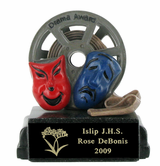
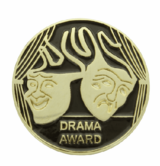
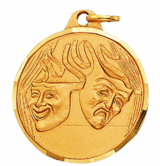
First lead role. Finishing intensive training. Choreographing their own piece. These deserve actual drama trophies they can point to years later.

Surprise Recognition: The Secret Weapon

Your kid is struggling with a tough role or questioning whether they even like theater anymore. Unexpected recognition hits hardest now.

"I've been watching how hard you've worked" means everything when they didn't see it coming. It reframes their struggle as effort worth noticing.

Get Specific or Go Home

"You did great" tells them nothing. "You projected your voice so clearly that I caught every word from the back row" tells them exactly what they did right. Specifics prove you paid attention.

Recognition That Won't Break the Bank

DIY Awards That Mean Something

Photo collages with performance shots and handwritten notes become bedroom decorations they keep through college. Include specific memories like "Remember when you helped Sarah with her costume change?"

Custom certificates designed on your computer work great. Use specific language. "Outstanding character development as Scrooge" beats "good acting award."

Give Experiences

Pro show tickets let them see what they're working toward. Afterward, ask what they noticed. This builds analysis skills.

Workshops with specialized teachers provide new skills while showing you take their growth seriously.

When to Buy Quality Awards

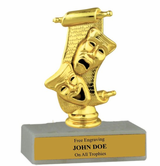
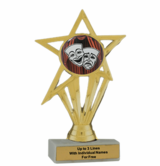
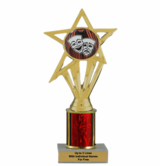
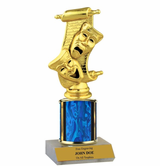
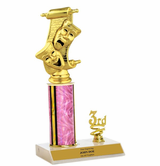
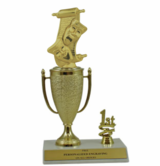
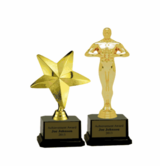
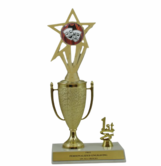
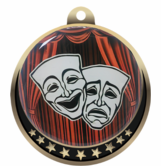
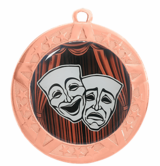
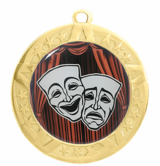
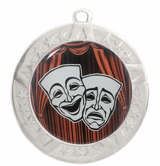
For real achievements, professional drama trophies and performing arts medals create lasting keepsakes. Research shows performing arts build confidence and social skills that improve school performance.

Custom engraving makes them specific. "Emma - First Lead Role - Annie - Spring 2025" becomes a permanent marker. Twenty years from now, they'll remember exactly what that trophy means.

Keep Recognition Healthy

Celebrate Now, Not Career Predictions

Most young performers won't go pro. That's fine. The skills transfer everywhere: public speaking, handling pressure, working with difficult people, recovering from mistakes gracefully.

Focus on current growth. "You've built real confidence" works better than "You're definitely going to be famous," which creates pressure and potential disappointment.

Honor Progress Over Winning

Awards that celebrate getting better build healthier mindsets. "Most improved" helps kids see that progress matters more than rankings. This serves them long after awards are packed in storage.

What Actually Matters

The best recognition comes from showing you paid attention, understood what they did, and valued the courage it took.

Every kid who performs does something most adults avoid. They choose courage. They work for weeks on something that lasts minutes. They push through fear and mistakes to share what they created.

Your recognition tells them this matters. Whether they continue performing or use these skills elsewhere, the awards you give now shape how they approach challenges for life.

Choose performing arts awards that match reality. Give them when emotions run high. Be specific about what you celebrate. Your kid will keep growing and discovering what they can do. That's the whole point.


⭐ 2,300+ 5-Star Reviews | 🏆 25+ Years Experience | 🚚 Fast Shipping | ✓ 100% Satisfaction Guarantee


Bing Tag