
free engraving
FREE ENGRAVING ON TROPHIES & PLAQUES
shop with confidence
FAST, RELIABLE & SECURE SHOP WITH CONFIDENCE
free economy shipping
FREE ECONOMY SHIPPING OVER $99 ON 1000's OF SELECT TROPHIES & AWARDS
discounted prices
QUALITY CUSTOM AWARDS AT DISCOUNTED PRICES
custom awards
4.9 RATING Over 2,300 ★★★★★ Reviews

Honor Roll and Academic Awards: Your Ultimate Roadmap to Academic Recognition


Academic recognition through honor roll placement, honor society membership, and various academic awards represents far more than just fancy certificates hanging on bedroom walls. These achievements open doors to scholarships, leadership opportunities, college admissions advantages, and networking connections that can shape your entire future. Whether you are a student aiming for your first honor roll certificate or a parent wondering how to support academic excellence, this comprehensive guide reveals everything you need to know about the exciting world of academic recognition.

Decoding the Academic Recognition Landscape

The world of academic honors might seem like alphabet soup at first glance, with organizations like NHS, NJHS, NSCS, and countless subject-specific honor societies. Each serves a unique purpose in recognizing and rewarding different aspects of academic achievement and personal character. Understanding these distinctions helps students make informed decisions about which recognition opportunities align with their goals and interests.

Academic recognition systems have evolved significantly since the first honor society, Phi Beta Kappa, was established in 1776. Today's recognition programs blend traditional academic metrics with holistic approaches that value leadership, service, and character development. This evolution reflects our growing understanding that academic success involves more than just test scores and GPAs.

The beauty of modern academic recognition lies in its diversity. Students excel in different areas and demonstrate their capabilities through various channels. Some shine in traditional academic subjects, while others excel in creative arts, technical skills, or leadership roles. Recognition programs have adapted to celebrate this wide spectrum of talents and achievements.

Honor Roll: Your First Step to Academic Stardom

Honor roll recognition serves as many students' first taste of academic achievement acknowledgment. Most schools establish honor roll criteria based on grade point average thresholds, typically ranging from 3.0 to 3.5 for basic honor roll and 3.7 to 4.0 for high honor roll or principal's list recognition. These standards may vary between institutions, so students should familiarize themselves with their specific school's requirements.

Earning honor roll status requires consistent performance across all subjects rather than excellence in just one or two areas. This balanced approach encourages students to maintain effort in challenging subjects while continuing to excel in their strengths. The result is a more well-rounded educational experience that prepares students for future academic and professional challenges.

Honor roll achievement offers immediate benefits beyond the recognition itself. Many schools provide honor roll students with special privileges such as extended library access, priority scheduling, or exemption from certain semester exams. Some local businesses offer discounts or rewards to honor roll students, creating tangible incentives for academic excellence.

The psychological benefits of honor roll recognition cannot be understated. Students who achieve honor roll status often experience increased confidence, improved motivation, and a stronger sense of academic identity. This positive reinforcement cycle encourages continued academic effort and helps establish patterns of excellence that extend beyond school years.

National Honor Society: The Gold Standard of High School Recognition

The National Honor Society stands as perhaps the most prestigious and widely recognized academic honor available to high school students. Founded in 1921, NHS has maintained its mission "to create enthusiasm for scholarship, to stimulate a desire to render service, to promote leadership, and to develop character in the students of secondary schools." This comprehensive approach to recognition sets NHS apart from purely academic achievements.

NHS membership requires students to excel in four key areas: scholarship, service, leadership, and character. The scholarship component typically requires a cumulative GPA of 3.5 or higher, though individual chapters may set higher standards. Service involves documented community volunteer work, while leadership can be demonstrated through school activities, employment, or community involvement. Character assessment involves faculty evaluation of the student's integrity, responsibility, and respectability.

The benefits of NHS membership extend far beyond high school graduation. NHS members gain access to exclusive scholarship opportunities, with the organization awarding approximately $2 million annually to deserving members. These scholarships range from $3,200 to $25,000, providing substantial support for college-bound students. Additionally, NHS membership carries significant weight in college admissions processes, signaling to admissions officers that applicants possess both academic capability and personal character.

NHS chapters provide ongoing opportunities for leadership development and community service. Members participate in service projects, fundraising activities, and leadership training that develops skills valuable in college and career settings. Many NHS alumni credit their membership experience with teaching them project management, teamwork, and public speaking skills that proved invaluable in their professional lives.

College Honor Societies: Elevating Academic Excellence to New Heights

College-level honor societies offer even more specialized recognition opportunities for students who continue pursuing academic excellence in higher education. These organizations typically fall into three categories: general academic honor societies like Phi Beta Kappa and Phi Kappa Phi, disciplinary honor societies focused on specific academic fields, and professional honor societies related to career fields.

Phi Beta Kappa, often called the most prestigious undergraduate honor society, invites only the top 10 percent of graduating seniors from participating institutions. Membership in Phi Beta Kappa signals exceptional liberal arts achievement and opens doors to graduate school opportunities and professional networks. The organization's selective nature makes membership a significant distinction on resumes and graduate school applications.

Disciplinary honor societies recognize excellence in specific academic fields, from Psi Chi for psychology students to Alpha Epsilon Delta for pre-medical students. These organizations provide networking opportunities within chosen career fields, access to professional development resources, and recognition that demonstrates commitment to a particular area of study. Research shows that membership in discipline-specific honor societies can significantly impact graduate school admission chances and early career opportunities.

The decision to join college honor societies should align with students' academic and career goals. Active participation in honor society activities provides the greatest benefit, while passive membership offers limited value beyond resume enhancement. Students should research individual societies' activities, benefits, and costs before making membership decisions.

Subject-Specific Academic Awards: Celebrating Specialized Excellence

Beyond general academic recognition, numerous awards celebrate excellence in specific subjects or skill areas. These awards range from departmental recognition within schools to national competitions that draw participants from across the country. Subject-specific awards allow students to showcase deep knowledge and passion in particular areas while building expertise that supports future academic and career pursuits.

Science competitions like the Intel Science and Engineering Fair, math contests such as the American Mathematics Competitions, and writing awards including the Scholastic Art and Writing Awards provide platforms for students to demonstrate exceptional abilities. These competitions often offer substantial prizes, scholarship opportunities, and recognition that carries significant weight in college admissions processes.

Language-related awards, including the Seal of Biliteracy for multilingual students and foreign language society memberships, recognize students who develop proficiency in multiple languages. In our increasingly global society, these recognitions signal valuable skills that appeal to colleges and employers seeking culturally competent individuals.

Arts-focused awards in music, visual arts, theater, and creative writing celebrate students whose talents lie in creative expression. These awards often include performance opportunities, artistic residencies, or publication chances that provide real-world experience in artistic fields. For students pursuing arts-related careers, these awards demonstrate both talent and commitment to artistic development.

STEM Recognition Programs

Science, technology, engineering, and mathematics fields offer particularly rich opportunities for academic recognition. Programs like the National Merit Scholarship Competition, based on PSAT performance, identify academically talented students early in their high school careers. Advanced Placement Scholar awards recognize students who excel in college-level coursework, while science fair competitions at local, state, and national levels showcase student research abilities.

Robotics competitions, coding challenges, and engineering design contests provide hands-on opportunities for STEM-focused students to demonstrate practical application of their knowledge. These competitions often involve teamwork, problem-solving under pressure, and presentation skills that mirror real-world professional environments.

Humanities and Social Sciences Recognition

Students excelling in humanities and social sciences can pursue recognition through debate tournaments, history fairs, essay competitions, and mock trial programs. These activities develop critical thinking, research, communication, and analytical skills highly valued in numerous career fields.

Model United Nations programs provide opportunities for students interested in international relations, diplomacy, and global issues to demonstrate their knowledge while developing negotiation and public speaking skills. Many participants credit MUN experience with inspiring their career choices and providing valuable networking opportunities.

The Psychology and Benefits of Academic Recognition

Academic recognition programs tap into fundamental human needs for accomplishment, belonging, and purpose. When students receive recognition for their academic efforts, they experience validation that their hard work has value and meaning. This recognition can be particularly powerful for students who may not excel in athletics or other high-visibility activities but demonstrate exceptional academic capabilities.

The benefits of academic recognition extend well beyond the immediate gratification of receiving awards. Research demonstrates that students who receive academic recognition show increased motivation, higher academic self-efficacy, and greater likelihood of pursuing challenging coursework. This positive cycle of recognition leading to increased effort leading to greater achievement helps students develop patterns of excellence that serve them throughout their lives.

Academic recognition also provides students with concrete evidence of their capabilities when applying for competitive opportunities. College admissions officers, scholarship committees, and employers use academic awards as indicators of student potential and work ethic. In competitive applicant pools, these recognitions often serve as differentiating factors that tip decisions in favor of recognized students.

The networking opportunities associated with academic recognition programs provide long-term benefits that may not be immediately apparent to students. Honor society memberships, academic competitions, and recognition programs connect students with like-minded peers and accomplished adults who can serve as mentors, recommenders, and professional contacts throughout their careers.

Strategies for Achieving Academic Recognition

Earning academic recognition requires intentional planning, consistent effort, and strategic thinking about how to maximize opportunities. Successful students begin early, maintain consistency, and take advantage of multiple pathways to recognition. The key lies in understanding that academic recognition is not solely about grades, though strong academic performance provides the foundation for most recognition opportunities.

Building a Strong Academic Foundation

The foundation for academic recognition starts with developing effective study habits, time management skills, and strategies for academic success. Students should focus on understanding rather than memorization, seek help when needed, and maintain organization systems that support consistent performance across multiple subjects.

Course selection plays a crucial role in academic recognition opportunities. Students should challenge themselves with rigorous coursework while being realistic about their ability to maintain strong performance. Advanced Placement, International Baccalaureate, and dual enrollment courses provide opportunities to demonstrate academic readiness and earn recognition through exam performance.

Developing Leadership and Service Experience

Many recognition programs require demonstrated leadership and service experience beyond academic achievement. Students should seek opportunities to take on leadership roles in clubs, sports teams, volunteer organizations, or employment settings. The key is finding leadership experiences that align with personal interests and values rather than simply accumulating titles.

Community service should be meaningful and sustained rather than just meeting minimum hour requirements. Students who identify causes they care about and commit to ongoing service often find these experiences personally rewarding while building the service record needed for recognition programs.

Building Relationships with Educators and Mentors

Strong relationships with teachers, counselors, and other educators prove invaluable in the academic recognition process. These adults often serve as recommenders, nominators, and advisors who can guide students toward appropriate opportunities. Students should actively engage in class discussions, seek extra help when needed, and maintain professional relationships with educators even after completing their courses.

Mentorship relationships with professionals in fields of interest can provide guidance about relevant recognition opportunities and career pathways. These mentors often have insights about which awards carry the most weight in specific industries and can provide advice about how to position academic achievements effectively.

Maximizing the Impact of Academic Recognition

Earning academic recognition is only the first step; students must also learn how to leverage these achievements effectively in college applications, scholarship competitions, and career pursuits. The most successful students understand how to tell compelling stories about their academic journey that go beyond simply listing awards and achievements.

When applying to colleges, students should craft narratives that connect their academic recognitions to their personal growth, future goals, and potential contributions to campus communities. Rather than just listing NHS membership, for example, students might describe specific service projects they led or how the experience shaped their understanding of community responsibility.

Scholarship applications provide opportunities to demonstrate how academic recognition has prepared students for future success. Effective applicants connect their past achievements to their proposed course of study and career aspirations, showing scholarship committees how their investment will yield meaningful returns.

Professional development begins early, and academic recognition provides valuable experiences for building professional skills. Students who take leadership roles in honor societies, organize academic competitions, or mentor younger students develop skills that translate directly to workplace settings.

Celebrating Academic Achievement with Meaningful Recognition

The presentation and celebration of academic achievements play crucial roles in reinforcing the value of academic excellence and inspiring continued effort. Schools, families, and communities that create meaningful recognition experiences help students understand that their academic efforts are valued and important.

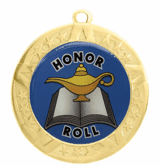
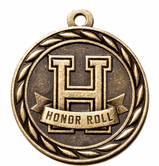
Traditional recognition ceremonies, while formal, provide opportunities for public acknowledgment of student achievements. These events allow families and communities to celebrate academic success and demonstrate that intellectual accomplishment deserves the same recognition as athletic or artistic achievements. Honor roll trophies and academic awards serve as lasting reminders of achievement that students can treasure long after graduation.

Modern recognition approaches might include social media celebrations, featured articles in school publications, or special recognition during graduation ceremonies. The key is ensuring that academic achievements receive appropriate acknowledgment and that students understand their accomplishments are valued by their communities.

Personalized recognition that acknowledges specific achievements and individual growth often proves more meaningful than generic awards. Students who receive recognition that specifically mentions their unique contributions, improvement over time, or particular strengths feel more valued and motivated to continue their academic efforts.

The Role of Technology in Academic Recognition

Digital technologies have transformed how academic recognition is awarded, tracked, and shared. Digital badges, online portfolios, and social media platforms provide new ways for students to showcase their academic achievements and connect with other high-achieving peers. These tools also make recognition more accessible and immediate than traditional paper-based systems.

Online scholarship databases and recognition platforms help students discover opportunities they might not have found through traditional channels. These resources democratize access to recognition opportunities and help level the playing field for students from schools with limited guidance counseling resources.

Virtual recognition ceremonies and online communities allow students from different geographic areas to celebrate achievements together and build networks that extend beyond their local schools. These connections can prove valuable throughout students' academic and professional careers.

Academic Recognition and College Admissions

The relationship between academic recognition and college admissions continues to evolve as admissions processes become more holistic. While academic achievements remain important, admissions officers increasingly look for evidence of genuine engagement, leadership growth, and personal character development rather than just accumulated awards.

Students should focus on quality over quantity when pursuing academic recognition. Deep involvement in fewer activities with meaningful impact typically impresses admissions officers more than superficial participation in numerous programs. The key is demonstrating genuine passion and commitment rather than merely checking boxes.

Effective college application strategies highlight how academic recognition experiences have shaped students' personal growth, clarified their goals, and prepared them to contribute to campus communities. Students should be prepared to discuss specific examples of leadership, service, or academic challenges they have overcome through their recognition program involvement.

Financial Benefits and Scholarship Opportunities

Academic recognition often translates directly into financial benefits through scholarship opportunities, merit-based aid, and special program access. Many colleges offer automatic scholarships to students who achieve specific recognition milestones, while private foundations fund scholarships exclusively for honor society members or academic competition winners.

The cumulative financial impact of academic recognition can be substantial. Students who earn multiple forms of recognition often qualify for scholarship opportunities that complement each other, potentially covering significant portions of college costs. Some students find that their academic recognition achievements provide more financial aid than need-based assistance would offer.

Beyond direct scholarships, academic recognition can lead to opportunities like paid internships, research assistantships, and work-study positions that provide both financial support and valuable professional experience. These opportunities often prove more valuable than traditional part-time jobs because they build resume credentials while providing income.

Long-Term Career Impact of Academic Recognition

The benefits of academic recognition extend far beyond college admission and scholarship opportunities into professional career development. Many employers specifically recruit from honor society members or academic award recipients, viewing these achievements as indicators of work ethic, reliability, and potential for success.

Professional networks formed through academic recognition programs often provide career opportunities, mentorship relationships, and business connections that prove valuable throughout entire careers. Alumni networks from prestigious honor societies can be particularly powerful in opening doors to opportunities that might not be publicly advertised.

The skills developed through academic recognition programs - leadership, public speaking, project management, and teamwork - translate directly to workplace competencies. Many professionals credit their early academic recognition experiences with teaching them skills that proved crucial to their career advancement.

Supporting Academic Recognition: A Guide for Educators and Parents

Adults play crucial roles in helping students identify, pursue, and achieve academic recognition opportunities. Effective support involves understanding the landscape of available programs, helping students align their efforts with their goals, and providing encouragement throughout the often challenging process of earning recognition.

Educators can support student achievement by clearly communicating recognition opportunities, providing guidance about requirements and deadlines, and offering feedback on applications or projects. Schools that actively promote academic recognition typically see higher levels of student engagement and achievement across all academic areas.

Parents can support their children's academic recognition pursuits by helping with organization and time management, celebrating achievements appropriately, and maintaining perspective about the role of recognition in overall education and personal development. The goal is to support excellence while avoiding unhealthy pressure that might undermine learning or personal growth.

Communities can contribute by establishing local recognition programs, providing funding for student recognition ceremonies, and creating opportunities for students to share their achievements with broader audiences. Awards and recognition items that celebrate student achievements help reinforce the message that academic excellence matters and deserves celebration.

Addressing Challenges and Limitations in Academic Recognition

While academic recognition programs offer many benefits, they also present certain challenges and limitations that students, educators, and families should understand. Recognition programs may inadvertently create excessive competition, contribute to student stress, or fail to acknowledge different forms of intelligence and achievement.

The pressure to earn recognition can sometimes undermine the intrinsic motivation for learning that should be the ultimate goal of education. Students who focus too heavily on external recognition may miss opportunities for deeper learning or exploration of subjects that genuinely interest them but do not offer obvious recognition opportunities.

Equity concerns arise when recognition programs favor students with certain advantages such as access to advanced coursework, transportation to activities, or family support for extensive extracurricular involvement. Effective recognition programs work to address these disparities and ensure that all students have reasonable opportunities to earn recognition for their efforts and achievements.

Some critics argue that academic recognition programs may not adequately reflect the diverse forms of intelligence and capability that students possess. Programs that rely heavily on traditional academic metrics might miss students who excel in creative thinking, practical intelligence, or interpersonal skills that do not translate easily to GPA calculations or standardized assessments.

Future Trends in Academic Recognition

Academic recognition continues to evolve in response to changing educational philosophies, technological capabilities, and societal needs. Future trends may include more personalized recognition that acknowledges individual growth and effort rather than just absolute achievement levels, integration of social and emotional learning into recognition criteria, and expanded use of technology to make recognition more accessible and immediate.

Competency-based recognition that focuses on demonstrated skills and knowledge rather than time spent in classrooms may become more common as educational systems adapt to diverse learning styles and paces. This approach could make recognition more meaningful and relevant to real-world capabilities while accommodating different pathways to achievement.

Global connectivity may lead to international recognition programs that connect high-achieving students across cultural and national boundaries. These programs could provide broader perspectives on academic achievement while preparing students for increasingly global career opportunities.

The integration of artificial intelligence and machine learning into educational systems may enable more sophisticated and personalized recognition systems that can identify and celebrate achievements that traditional systems might miss. These technologies could help create more equitable recognition opportunities while reducing administrative burdens on educators.

Academic recognition serves as both a celebration of past achievement and an investment in future potential. When students work toward academic recognition, they develop habits of excellence, leadership skills, and personal character that benefit them throughout their lives. The certificates, trophies, and medals represent more than just acknowledgment of accomplishment; they symbolize the dedication, perseverance, and commitment to learning that define successful individuals in any field.

Whether students pursue honor roll status, honor society membership, subject-specific awards, or competitive recognition programs, the journey toward academic excellence provides valuable experiences that extend far beyond the recognition itself. The relationships formed, skills developed, and confidence built through these pursuits create foundations for lifelong success and fulfillment.

For educators, parents, and communities, supporting academic recognition means more than just celebrating final achievements. It involves creating environments where intellectual curiosity is valued, effort is recognized, and all students have opportunities to discover and develop their unique capabilities. When we effectively recognize and celebrate academic achievement, we send powerful messages about what our society values and how we want our young people to develop as learners and leaders.

The landscape of academic recognition will continue to evolve, but the fundamental human need for acknowledgment of effort and achievement remains constant. Students who understand how to pursue, earn, and leverage academic recognition position themselves for success in college, career, and life while developing the habits and skills that enable them to make meaningful contributions to their communities and the world.

References

BestColleges. (2023, March 21). Should you join a college honor society? BestColleges. https://www.bestcolleges.com/blog/college-honor-society/

National Association of Secondary School Principals. (2024). National Honor Society. https://www.nationalhonorsociety.org/

National Society of Collegiate Scholars. (2024). The National Society of Collegiate Scholars. https://nscs.org/

Nova Southeastern University. (2024). Academic honor societies. Honors College. https://honors.nova.edu/students/academic-honor-societies/index.html

UoPeople. (2024, October 3). The purpose of the National Honor Society. University of the People. https://www.uopeople.edu/blog/purpose-of-national-honor-society/


⭐ 2,300+ 5-Star Reviews | 🏆 25+ Years Experience | 🚚 Fast Shipping | ✓ 100% Satisfaction Guarantee


Bing Tag