
How to Plan an Award Ceremony: A Complete Guide to Memorable Recognition Events
Every year, millions of award ceremonies happen around the world. Most fade from memory before people even leave the parking lot. But some ceremonies stick with attendees for years, creating lasting emotional connections and truly honoring achievements. The difference between forgettable and unforgettable lies in thoughtful planning that puts meaning and connection at the center of every decision.
Whether you are organizing your first employee recognition dinner or your twentieth sports awards banquet, this guide walks you through every step needed to create a ceremony that genuinely celebrates accomplishments and leaves everyone feeling inspired. Research from Harvard Business Review shows that effective recognition significantly impacts morale, productivity, performance, customer satisfaction, and employee retention -- making well-planned ceremonies a powerful tool for building stronger organizations and communities.
Once the ceremony is planned, the presentation itself needs just as much thought. Our guide to presenting a trophy or award covers scripts, stage setup, and how to make the handoff moment as meaningful as the achievement it represents.
Setting the Foundation for Success
Before diving into logistics, successful ceremony planners start by clarifying their purpose and vision. This foundational work guides every subsequent decision and ensures the event stays focused on what truly matters.
Define Your Why
Great ceremonies begin with a clear understanding of their purpose. Are you celebrating annual achievements, recognizing years of service, honoring volunteers, or marking the end of a successful season? Your specific purpose shapes everything from venue selection to award choices.
Consider these questions as you define your ceremony's mission: What behaviors or achievements do you want to reinforce? What message do you want attendees to leave with? How does this ceremony connect to your organization's larger values and goals? What emotional experience do you want to create for honorees and guests?
Recognition programs that align with organizational values and provide meaningful acknowledgment are far more effective than generic approaches. When your ceremony's purpose connects clearly to deeper organizational meaning, it becomes more than just an event -- it becomes a powerful reinforcement of your culture.
Know Your Audience
Understanding your attendees helps you create an experience that resonates with everyone in the room. Consider the demographics, preferences, and expectations of both honorees and guests. A ceremony for high school athletes will look very different from one recognizing decades of corporate service.
Think about practical considerations too. Will children attend? Are there accessibility needs to address? Do attendees prefer formal or casual atmospheres? Will remote participants join virtually? These audience insights inform decisions about venue, timing, format, and even refreshment choices.
Establish Your Budget Reality
Memorable ceremonies happen at every budget level, but being realistic about financial constraints from the start prevents disappointment later. Break your budget into major categories: venue, catering, awards, decorations, entertainment, and miscellaneous expenses.
Remember that the most impactful elements of great ceremonies -- genuine recognition, thoughtful presentation, and personal connection -- cost very little. A heartfelt speech often matters more than expensive decorations, and meaningful award medals resonate more than lavish catering.
Timeline Planning That Actually Works
One of the biggest mistakes ceremony planners make is underestimating the time needed for proper preparation. Event planning best practices recommend at least three months of advance planning for smaller events, while larger ceremonies need six to nine months of lead time.
The 90-Day Countdown
- Confirm your date and secure your venue. Finalize your guest list size and book any special speakers or entertainment early -- their schedules fill up quickly.
- Plan your ceremony's flow and structure. How long will it run? Will there be multiple award categories or a single grand presentation? These decisions affect venue selection and catering timing.
- Begin the award selection process. Custom awards and personalized plaques require time for design and production. Most suppliers recommend placing custom orders at least four to six weeks in advance, but starting earlier gives you flexibility if changes are needed.
The 60-Day Mark
- Finalize your program agenda. Confirm all speakers and lock in catering arrangements. Send save-the-date notifications so key attendees can plan accordingly.
- Begin program materials. Start scripts for presenters and any multimedia content. If you are creating video tributes or photo presentations, gather materials now while memories are fresh and content is easily accessible.
- Order your awards. Quality award plaques and trophies take time to engrave properly. Rushing this process leads to errors and subpar results that undermine the moment they are meant to honor.
The 30-Day Sprint
- Send formal invitations. Confirm RSVPs and any dietary restrictions or accessibility needs. Finalize seating arrangements, especially if you are hosting a large group with complex dynamics.
- Conduct venue walkthroughs. Confirm setup requirements, audio-visual needs, and emergency procedures. Test all technology -- microphones, projectors, sound systems, and lighting -- during conditions similar to your event.
- Brief all ceremony participants. Speakers should have their remarks prepared and timed. Volunteers and staff need clear instructions about their roles and responsibilities.
The Final Week
- Verify final attendance numbers with your caterer and venue coordinator.
- Prepare emergency contact lists and backup plans for every key component.
- Create day-of timelines for all participants, including setup crews, speakers, and honorees. Everyone should know exactly when they need to arrive, what they are responsible for, and how the event will flow.
Venue Selection That Sets the Right Tone
Your venue choice communicates volumes about how much you value the achievements you are celebrating. The right space enhances the ceremony's significance, while the wrong choice can undermine even the most thoughtful planning.
Matching Space to Significance
Consider the level of formality your ceremony requires. Lifetime achievement awards might call for an elegant ballroom or historic venue, while team season celebrations could work beautifully in a school gymnasium or community center when decorated thoughtfully. Think about practical requirements too. Do you need a stage for presentations? Is there adequate parking? Will guests of all ages and abilities be able to navigate the venue easily?
Do not overlook the emotional impact of location. Holding a company awards ceremony in the same conference room where people attend weekly meetings sends a different message than choosing a special venue that honors the occasion's importance.
Technical Considerations
Modern ceremonies often include multimedia presentations, so verify that your venue can support your technical needs. Does the space have reliable Wi-Fi for remote participants? Are there adequate electrical outlets for equipment? Is the lighting conducive to both presentations and photography?
Audio quality can make or break a ceremony. Rooms with hard surfaces and high ceilings often create echo problems, while carpeted spaces with sound-absorbing materials provide better acoustic environments.
Tip: Test microphones and sound systems during actual setup conditions, not just empty room walkthroughs. The difference in acoustics between an empty room and a full one is significant and catches many planners off guard on the day of the event.
Creating Atmosphere Through Environment
Even budget-friendly venues can be transformed into special spaces through thoughtful decoration and lighting. Simple additions like table linens, centerpieces, and strategic lighting can elevate any room's ambiance significantly. Consider the flow of movement through your space -- can guests easily access restrooms and refreshments? Is there a natural gathering area for pre-ceremony socializing? These practical elements affect the overall experience as much as formal presentations do.
Designing Recognition That Resonates
The heart of any memorable ceremony lies in how recognition is delivered. This goes far beyond simply reading names and handing out awards -- it is about creating moments that honor achievements meaningfully and inspire others. Before the event, make sure every presenter has read our guide to presenting a trophy or award, which covers the exact scripts and techniques that separate a genuine recognition moment from a routine handout.
Crafting Personal Presentations
Generic presentations kill ceremony energy faster than anything else. Instead of simply stating "Employee of the Year goes to Sarah Johnson," create presentations that tell the story behind the achievement. Research each honoree's specific contributions and impact. What challenges did they overcome? How did their work benefit others? What qualities make them exceptional? These details transform routine announcements into compelling tributes that audience members remember long after the evening ends.
Instead of: "This award goes to Sarah Johnson for her outstanding performance this year." Try: "Sarah took on a failing project in March with no roadmap and no budget, rebuilt the client relationship from scratch, and delivered results that exceeded the original brief. That is the kind of work this award was created to recognize."
Consider having peers, supervisors, or beneficiaries present awards whenever possible. Hearing recognition from colleagues often means more than formal presentations from distant executives. These personal connections add authenticity and emotional weight to the recognition.
Choosing Awards That Matter
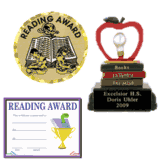
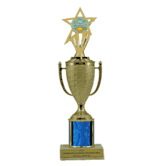
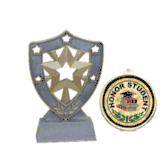
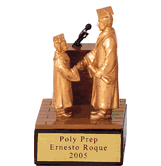
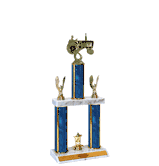
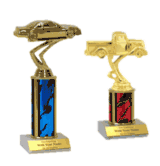
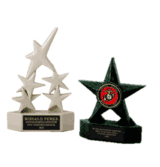
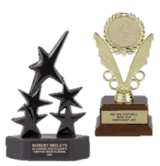
The physical awards you present become lasting reminders of the ceremony and the achievements being celebrated. Quality matters -- recipients will display these items in their offices, homes, and workspaces for years to come. Consider the recipient's environment and preferences. A sleek crystal piece might be perfect for a corporate executive's office, while a personalized plaque could be ideal for a teacher's classroom or a coach's trophy case.
Personalization makes awards more meaningful. Beyond names and dates, consider including specific achievement details, organizational values, or quotes that connect to the recipient's contributions. Custom photo plaques and engraved awards from reputable suppliers ensure these details are executed professionally and will last for years.
Building Emotional Connection
The most memorable moments in award ceremonies happen when emotional connections are created between honorees, their achievements, and the audience. This might happen through storytelling, video presentations, or testimonials from people whose lives were impacted by the honoree's work. Consider incorporating elements that surprise and delight honorees -- inviting family members they do not expect to see, creating photo displays of their journey, or having colleagues share memories that highlight their character and contributions.
Program Flow That Maintains Energy
Even the most meaningful recognition can lose impact if the ceremony drags on too long or lacks energy. Successful programs balance celebration with pacing, ensuring audience engagement throughout the event.
Opening with Purpose
Start your ceremony by clearly establishing its significance. Help attendees understand why they are gathered and what achievements they are celebrating. This context-setting makes everything that follows more meaningful. Consider opening with a brief story or example that illustrates the values and accomplishments being honored -- this narrative approach draws people in more effectively than dry procedural announcements. If your ceremony includes multiple award categories, provide a roadmap so attendees know what to expect.
Pacing for Engagement
Vary the rhythm and energy throughout your program. Alternate between serious recognition moments and lighter, more energetic segments. Include brief breaks or transitions that allow for applause, conversation, or movement. Keep individual presentations concise but meaningful -- most effective recognition presentations run between two and four minutes, long enough to tell the story but short enough to maintain audience attention.
Program Pacing Framework
Opening (5-10 min): Welcome, context-setting, and a brief story that establishes why this ceremony matters.
Recognition Segments (2-4 min each): Name the award, tell the story, name the recipient, allow for applause. Resist the urge to rush.
Transitions: Brief pauses or light remarks between categories. Do not eliminate them -- they let emotional moments land before moving on.
Close (5 min): A forward-facing statement that connects achievements to what comes next, not just what happened.
Ending on a High Note
Conclude your ceremony with inspiration and forward momentum. Rather than simply thanking everyone for attending, leave people with thoughts about the future and continued excellence. Consider closing with a challenge or call to action -- an invitation to nominate next year's recipients, a commitment to uphold the values demonstrated by honorees, or a vision for continued growth and success.
Creating Memorable Experiences Beyond the Awards
While recognition presentations form the ceremony's core, thoughtful additional elements can transform a simple awards event into a comprehensive celebration that builds community and creates lasting memories.
Pre-Ceremony Connections
Plan time for socializing before formal presentations begin. This allows attendees to connect, honorees to receive congratulations, and energy to build naturally toward the main program. Consider displaying photos, achievements, or testimonials that highlight the work being celebrated -- these visual elements give people conversation starters and help create ceremony atmosphere even before formal presentations begin. If appropriate, include brief networking opportunities that allow attendees to learn about each other's work and contributions.
Entertainment and Special Elements
Thoughtful entertainment can enhance your ceremony's impact, but it should connect to your purpose rather than simply fill time. Musical performances, speakers, or presentations should reinforce the values and achievements you are celebrating. Consider involving honorees in the entertainment -- asking them to share brief reflections on their experiences, having teams perform together, or including families in presentations. Interactive elements such as audience participation in recognition or voting on special categories can also enhance engagement and reinforce community connections.
Photography and Memory Creation
Document your ceremony professionally to create lasting memories for honorees and promotional materials for your organization. Designate specific times for formal photos, such as immediately after individual presentations or during planned breaks -- this ensures quality documentation without interrupting emotional moments. Consider take-home materials like free award certificate templates that allow attendees to remember the ceremony and share achievements with others who could not attend.
Managing Logistics Like a Professional
Behind every seamless ceremony are careful logistics that anticipate challenges and ensure smooth execution. Professional event management requires attention to details that guests never see but that determine overall success.
Day-of Logistics Checklist
- Registration and check-in. Create efficient systems with clear signage, adequate staffing, and streamlined processes that do not create bottlenecks. Prepare for unexpected guests and last-minute RSVPs gracefully. Provide special treatment for honorees and their families -- reserved seating, priority check-in, or designated greeters who can assist with any needs.
- Technology and equipment. Test all technical elements multiple times under conditions similar to your actual event. Prepare backup plans for technology failures -- printed copies of presentations, alternative microphone systems, or manual processes that can replace digital systems if needed.
- Technical monitoring. Assign knowledgeable staff to monitor equipment during the ceremony. Brief disruptions can often be resolved invisibly if handled promptly -- but only if someone is actively watching for them.
- Staff and volunteer briefing. Brief all ceremony participants about their roles, timing, and expectations. Create clear communication systems -- wireless headsets, designated coordinators, or simple hand signals -- so staff can coordinate without disrupting presentations or guest experiences.
- Awards staged in order. Have all awards arranged and confirmed before guests arrive. Reaching around a stack of trophies while people watch is an avoidable distraction that costs the moment its weight.
Corporate and Employee Recognition Ceremonies
Business ceremonies should reinforce organizational values while celebrating individual and team achievements. Consider how the recognition connects to broader business goals and company culture. The stakes are high -- an employee who has invested years in an organization is weighing that recognition against every moment they chose to stay.
Include leadership participation that feels genuine rather than obligatory. Executives who can speak personally about honorees' contributions create more meaningful moments than generic congratulations from distant management. Think about the career impact of recognition too -- awards and presentations that enhance recipients' professional profiles provide value beyond the ceremony itself.
"This award goes to someone who not only exceeded targets for the third consecutive quarter, but who also mentored two new team members through onboarding -- something no one asked them to do, and something both of those people told me made a real difference. Let's recognize Alex."
Planning tip: Consider perpetual recognition plaques that display multiple recipients over time. They create a visible legacy in common areas and signal to the whole organization that this recognition has history and permanence behind it.
Educational and Academic Achievement Ceremonies
School-based recognition events often include families and community members, requiring attention to diverse audience needs and interests. Consider multi-generational attendees and varying levels of familiarity with educational contexts. Academic recognition carries a particular responsibility -- a well-presented award does not just honor what a student achieved, it shapes how they understand their own capabilities.
Highlight the journey as much as the destination. Academic achievement often represents sustained effort over time, so recognition that acknowledges growth and persistence resonates far more than simply announcing a score or grade. Connect individual achievements to broader educational goals and community values so attendees understand how students' accomplishments contribute to a larger story.
"Taylor started this year saying math was not her subject. She finished with the highest score in the class on the final exam. This award goes to someone who proved that the only thing standing between you and a skill is the decision to keep working at it."
Planning tip: End academic presentations with a forward-facing statement rather than a backward-looking one. "I cannot wait to see what you do with this in high school" lands harder than generic encouragement, and it leaves students feeling capable of what comes next -- not just proud of what is behind them. Free certificate templates can supplement physical awards and give every student something to take home.
Sports and Athletic Banquets
Athletic ceremonies celebrate both individual excellence and team achievements, requiring balance between recognizing standout performers and acknowledging every participant's contributions. Consider the competitive nature of sports while ensuring that recognition feels inclusive and inspiring to all participants. Focus on effort, improvement, and sportsmanship alongside pure performance measures.
The tone should be energetic and personal. Every athlete should hear their name said with enthusiasm, and every athlete should hear something specific about their contribution to the season. Include coaches, support staff, and volunteers who made achievements possible -- these behind-the-scenes contributors often receive less recognition but play crucial roles in athletic success.
"And now, the Most Improved Player -- the one who showed up early to every practice and never stopped asking how to get better. This award goes to Marcus. Marcus, your progress this season is exactly what this team is about."
Planning tip: For large rosters, have athletes come up one at a time rather than filing past in a line. The line format saves time but costs the moment. One at a time, with applause, teaches every player watching that this is a big deal -- and when their name is called, they will feel it. Browse sports award options that work across every age group and sport.
Volunteer and Community Service Recognition
Community service ceremonies celebrate people who contribute without expectation of reward, so recognition should feel genuine and avoid over-commercialization. Volunteers are not there for a paycheck or a scholarship -- they are there because they chose to be, often at real personal cost of time and energy. The recognition should name not just what they did, but what it required of them to do it, and what it meant to the people on the receiving end.
Volunteer recognition works best in a community setting, surrounded by the people who benefited from their work. Wherever possible, let the people they served be present for the ceremony, or at least acknowledged in the remarks. Consider including beneficiaries of volunteer work in recognition presentations -- hearing directly from people whose lives were improved by volunteer efforts creates powerful emotional connections that no prepared speech can replicate.
"Jamie has coordinated our food drive for three consecutive years. What most people do not know is that she handled an entire distribution day alone when half the team had to cancel -- and made sure no family on our list went without. This award is a small acknowledgment of that. The forty families who were served that day are a much larger one."
Planning tip: Frame volunteer recognition around human impact rather than organizational metrics. Appreciation plaques work especially well here -- they are built to be displayed at home, where the honoree's family and friends will see them, extending the reach of the recognition far beyond the ceremony itself.
Making Recognition Inclusive and Meaningful
Effective ceremonies create environments where all participants feel valued and included, regardless of their background, role, or level of achievement.
Accessibility and Accommodation
Plan for attendees with varying physical abilities, ensuring that venue access, seating arrangements, and ceremony participation accommodate everyone comfortably. Consider language and communication needs, including interpretation services, written materials in multiple languages, or alternative communication methods for attendees with hearing difficulties. Address dietary restrictions and cultural considerations in catering and scheduling decisions -- religious observances, food allergies, and cultural practices should all factor into planning decisions.
Recognition That Resonates Across Cultures
Understand the cultural backgrounds of honorees and attendees, ensuring that recognition methods feel appropriate and meaningful to diverse participants. Be mindful of different comfort levels with public recognition -- some cultures emphasize individual achievement while others prioritize group success, requiring different presentation approaches. Include diverse voices in ceremony planning and presentation so that recognition feels inclusive and relevant to all community members.
Balancing Individual and Collective Achievement
Most meaningful accomplishments involve both individual effort and community support. Consider including team awards alongside individual recognition, helping attendees understand how personal achievements connect to broader organizational or community success. Highlight the support systems that made individual achievements possible -- mentors, colleagues, family members, and community resources that contributed to success -- because the honoree's story is never theirs alone.
Post-Ceremony Follow-Through
Great ceremony planning extends beyond the event itself. Thoughtful follow-up ensures that the recognition's impact continues and provides valuable information for improving future ceremonies.
Immediate Appreciation
Thank all participants, volunteers, and attendees promptly after the ceremony. This includes formal thank-you notes, social media recognition, or brief personal calls to key contributors. Share ceremony highlights through appropriate channels -- organizational newsletters, social media, or community publications. This extends the recognition's reach and demonstrates your organization's commitment to celebrating achievements. Ensure that honorees receive any additional materials associated with their recognition, such as certificates, perpetual plaque updates, or follow-up communications.
Gathering Feedback
Collect input from attendees, honorees, and ceremony participants about their experience. Focus on both logistical elements (venue, timing, food quality) and emotional components (recognition effectiveness, program flow, overall satisfaction). Document lessons learned while they are fresh -- this information becomes invaluable when planning future ceremonies and helps ensure continuous improvement in your recognition programs.
Maintaining Recognition Impact
Consider ways to extend recognition beyond the ceremony itself -- featuring honorees in ongoing communications, creating permanent displays of achievements, or incorporating their contributions into organizational storytelling. Plan connections between this ceremony and future recognition opportunities. Use ceremonies as catalysts for broader appreciation practices throughout your organization, creating comprehensive recognition systems that celebrate achievements regularly rather than only during annual events.
Budget-Friendly Excellence
Memorable ceremonies do not require unlimited budgets. With creative planning and focus on what truly matters, you can create impactful recognition events at any spending level.
Focusing Resources on Impact
Identify the elements that matter most to your honorees and audience, then allocate budget accordingly. High-quality awards and meaningful presentations often matter more than expensive decorations or elaborate catering. Consider partnerships that can reduce costs while adding value -- local businesses might provide venue space in exchange for recognition, while community organizations could contribute services or materials. Leverage volunteer talents within your organization too: people often have skills in photography, music, decoration, or technical support that they are willing to contribute to meaningful events.
Creative Alternatives to Expensive Elements
Replace costly entertainment with meaningful alternatives like testimonial videos, photo presentations, or brief speeches from people impacted by honorees' work. These personal elements often resonate more than professional entertainment. Consider alternative venues that provide character and significance without high rental costs -- schools, community centers, parks, or unique outdoor locations can create memorable atmospheres when used thoughtfully. After the event, quality wall display cases extend the life of the recognition well beyond the ceremony itself.
DIY Elements That Add Personal Touch
Create personalized elements that demonstrate thought and care rather than expense. Hand-written notes, custom photo displays, or contributions from honorees' colleagues add authenticity and emotional connection while reducing costs. Use organizational talents to create unique ceremony components -- skilled writers, musicians, or artists in your community can make your ceremony distinctive and meaningful in ways that no hired vendor can replicate.
Building for the Future
Great ceremony planning improves over time through careful evaluation, community feedback, and commitment to continuous enhancement of recognition practices.
Measuring Ceremony Effectiveness
Evaluate success through multiple measures, including attendee satisfaction, honoree appreciation, and longer-term impact on motivation and community engagement. Track practical elements like attendance rates, budget efficiency, and logistical smoothness, but do not overlook emotional and cultural impacts that might be harder to quantify. Consider the ceremony's role in broader recognition systems -- how does this event connect to ongoing appreciation efforts and organizational culture development?
Building Recognition Culture
Use ceremonies as catalysts for broader appreciation practices throughout your organization or community. Help attendees understand how they can contribute to ongoing recognition efforts. Document and share recognition stories beyond the ceremony itself, using honorees' achievements as inspiration and examples for others. Plan connections between ceremonies and other recognition opportunities, creating comprehensive appreciation systems that celebrate achievements regularly rather than only during annual events.
Continuous Improvement
Approach ceremony planning as an ongoing learning process rather than a one-time event. Each ceremony provides insights that can improve future recognition efforts. Stay informed about recognition best practices and build institutional knowledge by documenting procedures, maintaining vendor relationships, and training multiple people in ceremony planning skills so that institutional memory is never held by just one person.
Creating Lasting Impact Through Thoughtful Recognition
The most successful award ceremonies do more than celebrate past achievements -- they inspire future excellence and strengthen community bonds. When you invest time and thoughtfulness in planning recognition events, you create experiences that motivate not only honorees but everyone who participates.
Remember that ceremony planning is ultimately about people and relationships. The technical elements matter, but they serve the deeper purpose of honoring human contributions and inspiring continued excellence. Focus on creating genuine moments of appreciation and connection, and the logistics will fall into place around that central mission.
Great ceremonies do not happen by accident, but they also do not require perfection in every detail. What they need is careful attention to purpose, audience, and the meaningful recognition of achievements that deserve celebration. With thoughtful planning and genuine appreciation for the people you are honoring, your ceremony can become one of those rare events that participants remember and treasure for years to come.
Whether you are recognizing workplace excellence with elegant custom award plaques or celebrating ongoing achievements with perpetual recognition plaques that honor multiple recipients over time, the key lies in matching your recognition choices to the significance of the achievements you are celebrating. Quality awards become lasting reminders of meaningful moments, extending the ceremony's impact far beyond the event itself.
Find the Right Award for Every Ceremony
TrophyCentral has supplied trophies, plaques, medals, and engraved awards to sports leagues, schools, businesses, and community organizations since 1999. Free engraving on every trophy and plaque, with most orders shipping within one to two business days.
Trophies for Every Sport and Activity
Youth sports, academic programs, community events -- hundreds of designs with free engraving included.
Plaques for Milestones and Service
Employee recognition, volunteer appreciation, and long-term service awards built to last on a wall.
Medals for Large Groups
Tournaments, end-of-year programs, and any event where every participant deserves something to take home.
How to Present the Award
Scripts, preparation checklists, and the small details that turn a routine handoff into a moment people remember.
Plan the ceremony with care. Choose the award with intention. The moment is worth getting right.