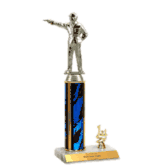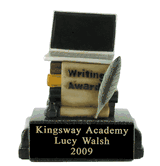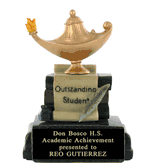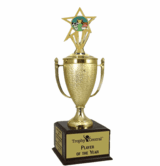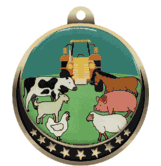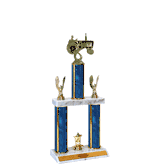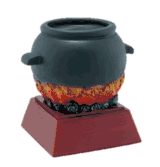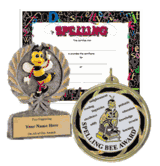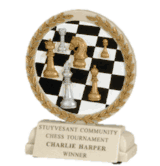

Fair Winners: Your Complete Guide to County Fair Awards and Recognition |

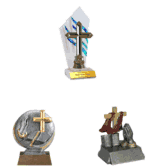
There's something magical about county fairs that captures the heart of American tradition. The smell of fresh-baked pies cooling in the judging tent, the proud 4-H member leading their prize heifer around the show ring, the excited teenager whose tomato just won the biggest vegetable contest, and the grandmother whose apple pie recipe has been passed down through four generations finally taking home the blue ribbon. These moments deserve recognition that matches their significance in our communities. County fairs represent far more than simple competitions or rural entertainment. They're celebrations of skill, dedication, community spirit, and the values that bind neighborhoods together. When we recognize fair participants with thoughtful awards, we're honoring not just individual achievements, but the traditions and skills that keep our communities strong and vibrant. Research from the National 4-H Council shows that youth involved in 4-H and county fair programs are four times more likely to contribute to their communities and twice as likely to be civically active compared to other young people. The confidence, responsibility, and life skills developed through fair participation create lasting positive impacts that extend far beyond the fairgrounds. Whether you're organizing a small community fair or planning recognition for a major agricultural event, this guide will help you choose awards that celebrate every aspect of county fair competition while honoring the spirit of rural tradition and community pride that makes these events so special. Understanding the Heart of Fair CompetitionCounty fairs operate on principles that differ significantly from other competitive events. While winning certainly matters, fairs emphasize personal growth, skill development, community participation, and the preservation of traditional knowledge and crafts. This unique focus requires recognition approaches that celebrate multiple types of achievement beyond simple first-place finishes. Participation and Personal GrowthOne of the most beautiful aspects of county fairs is their inclusive nature. A shy 8-year-old showing their first rabbit receives the same warm encouragement as the experienced farmer whose cattle have won championships for decades. This inclusive spirit means that recognition should acknowledge participation, effort, and improvement alongside traditional competitive achievement. First-time participants often experience county fairs with a mixture of excitement and nervousness. They've spent months preparing their entries, learning new skills, and working toward fair day. Whether their pie turns out perfectly or their calf doesn't cooperate during judging, these newcomers deserve recognition that encourages continued participation and celebrates their courage to try something new. Personal improvement recognition acknowledges participants who may not win top prizes but demonstrate growth, learning, and dedication. The teenager whose sewing project shows dramatic improvement from last year, the child whose vegetable garden produced its first successful harvest, or the adult who finally mastered their grandmother's bread recipe all deserve acknowledgment for their progress and perseverance. Skill Development and MasteryCounty fairs showcase an incredible range of traditional and modern skills, from livestock husbandry and crop production to baking, quilting, woodworking, and photography. Each skill area requires different types of knowledge, practice, and dedication, making fair competition recognition particularly complex and rewarding. Traditional agricultural skills represented at county fairs often involve year-round commitment and learning. Raising livestock requires daily care, nutrition knowledge, animal husbandry skills, and the ability to train and present animals effectively. Growing prize-winning vegetables demands understanding of soil, weather, plant care, and timing that develops over multiple growing seasons. Craft and artisan skills featured in fair competitions represent cultural traditions and creative expression that connect participants to their heritage while allowing personal creativity. Quilting, woodworking, canning, and baking competitions celebrate both technical skill and artistic vision, requiring recognition that acknowledges both aspects of these achievements. Community Contribution and LeadershipSuccessful county fairs depend on volunteers, organizers, and participants who contribute their time, energy, and expertise to create positive experiences for everyone involved. Recognition of these behind-the-scenes contributions helps maintain the community spirit that makes fairs special while encouraging continued volunteer participation. Youth leadership often emerges through fair participation as experienced young people mentor newcomers, assist with fair organization, or take on additional responsibilities within their 4-H clubs or FFA chapters. Acknowledging these leadership contributions helps develop future fair organizers and community leaders. Intergenerational knowledge sharing represents one of the most valuable aspects of county fairs, as experienced participants pass skills, traditions, and wisdom to younger generations. Recognition that honors both teaching and learning helps strengthen these important cultural connections. Livestock and Agricultural AwardsLivestock competitions form the heart of most county fairs, representing months or even years of daily care, training, and preparation. These competitions require specialized recognition that acknowledges not only the quality of the animals presented, but also the dedication, skill, and responsibility demonstrated by their caretakers. Cattle and Beef CompetitionsCattle showing represents one of the most prestigious and demanding areas of county fair competition. Successful cattle exhibitors must understand nutrition, genetics, animal behavior, grooming, and presentation skills while maintaining daily care routines that ensure their animals remain healthy, well-trained, and show-ready. Breeding competitions evaluate animals based on their genetic potential and conformity to breed standards, requiring exhibitors to understand pedigrees, bloodlines, and the characteristics that make each breed valuable for different purposes. Recognition for breeding competitions should acknowledge both the quality of the animals and the exhibitor's knowledge and preparation. Market competitions focus on animals raised for beef production, emphasizing factors like weight gain, muscle development, and overall health. These competitions often culminate in livestock auctions where exhibitors sell their animals, making recognition particularly meaningful as participants transition from caretaker to businessman. Showmanship competitions evaluate the exhibitor's skill in presenting their animal rather than the animal's inherent qualities. These competitions reward knowledge, poise, proper handling techniques, and the ability to answer judges' questions about animal care, nutrition, and industry practices. Swine and Pig CompetitionsPig competitions require specialized knowledge of swine behavior, nutrition, and management practices. Pigs can be challenging to train and present, making successful pig showing particularly impressive and worthy of specialized recognition. Market hog competitions evaluate animals based on their potential for meat production, considering factors like muscling, fat coverage, structural soundness, and overall balance. Exhibitors must understand feeding programs, exercise routines, and management practices that optimize their animals for competition. Breeding swine competitions focus on animals intended for reproduction, requiring exhibitors to understand genetic principles, breeding systems, and the characteristics that make sows and boars valuable for producing future generations of pigs. Swine showmanship requires particular skill because pigs can be unpredictable and require different handling techniques than cattle or sheep. Recognition for swine showmanship should acknowledge the specialized skills required to present pigs effectively and safely. Sheep and Goat CompetitionsSheep and goat competitions offer opportunities for younger or less experienced exhibitors to develop livestock skills with animals that are generally smaller and easier to manage than cattle or pigs, while still requiring significant knowledge and dedication. Sheep competitions may include market lambs raised for meat production, breeding ewes valued for their reproductive potential, or wool sheep evaluated for their fleece quality. Each category requires different management practices and knowledge bases, deserving specific recognition approaches. Goat competitions have grown increasingly popular at county fairs, including market goats, breeding does, dairy goats, and even pet goats in some fairs. Goat showing requires understanding of different breeds, their purposes, and specialized handling techniques for these intelligent and sometimes mischievous animals. Poultry and Small Animal RecognitionPoultry and small animal competitions provide entry points for younger participants while maintaining high standards for animal care, knowledge, and presentation skills. These competitions deserve recognition that encourages participation while acknowledging the skill and dedication required for success. Chicken competitions may include egg-laying breeds, meat birds, bantams, or ornamental breeds, each requiring different care practices and knowledge of breed characteristics. Poultry showing also requires specialized handling skills and knowledge of proper presentation techniques. Rabbit competitions evaluate animals based on breed standards, weight categories, and specific characteristics like fur quality or body type. Rabbit showing requires gentle handling skills and detailed knowledge of breed requirements and judging criteria. Other small animals commonly featured at county fairs include guinea pigs, hamsters, ducks, geese, and turkeys, each requiring specialized knowledge and care practices that deserve recognition and encouragement. Baking and Culinary Competition AwardsFood competitions represent some of the most beloved and community-focused aspects of county fairs. These competitions celebrate traditional recipes, family heritage, seasonal ingredients, and the skills that have sustained communities for generations while encouraging innovation and creativity in food preparation. Traditional Baking CompetitionsPie competitions often generate the most excitement and rivalry at county fairs, with family recipes passed down through generations and closely guarded secret ingredients. These competitions deserve recognition that honors both traditional excellence and creative innovation. Apple pie contests celebrate classic American baking traditions while allowing bakers to demonstrate their pastry skills, flavor creativity, and presentation abilities. Recognition should acknowledge different aspects of pie excellence including crust quality, filling flavor, overall appearance, and traditional authenticity. Fruit pie categories allow bakers to showcase seasonal ingredients and regional specialties while demonstrating their ability to work with different fruit textures, sweetness levels, and baking requirements. Awards might recognize best use of local ingredients, most creative flavor combination, or best traditional family recipe. Cream and custard pie competitions require different skills than fruit pies, including knowledge of dairy products, temperature control, and techniques for achieving proper texture and consistency. These specialized skills deserve recognition that acknowledges the technical expertise required. Bread and Yeast Product RecognitionBread baking represents one of the most fundamental and challenging culinary skills, requiring understanding of yeast behavior, gluten development, fermentation timing, and baking science that develops through years of practice and experience. White bread competitions evaluate classic bread-making skills including mixing techniques, kneading proficiency, proofing timing, and baking temperature control. Recognition should acknowledge both technical execution and the traditional skills these breads represent. Specialty bread categories allow bakers to demonstrate creativity and cultural knowledge through ethnic breads, whole grain varieties, flavored breads, or innovative ingredient combinations. Awards might recognize best innovation, most authentic cultural representation, or best use of alternative grains. Dinner roll competitions require skills in portion control, shaping consistency, and timing multiple pieces to finish simultaneously. These competitions deserve recognition that acknowledges both technical skill and practical application of bread-making knowledge. Canning and Preservation AwardsHome food preservation represents essential traditional skills that ensure food safety while maintaining nutritional value and flavor. These competitions require knowledge of acidity levels, processing times, sterilization techniques, and safety protocols that make them among the most technically demanding fair competitions. Vegetable canning competitions evaluate both the quality of preserved products and the safety of preservation methods used. Recognition should acknowledge proper technique, product quality, and the traditional knowledge these skills represent. Fruit preserving including jams, jellies, and fruit butters requires understanding of pectin behavior, sugar ratios, acidity levels, and cooking techniques that achieve proper consistency and flavor. Awards should recognize both technical excellence and creative flavor development. Pickle and relish competitions showcase traditional food preservation methods while allowing creativity in flavor combinations and ingredient selection. Recognition might acknowledge best traditional method, most creative recipe, or best flavor balance. Specialty Food CategoriesMany county fairs include unique food competition categories that reflect local traditions, seasonal ingredients, or special interests of their communities. These competitions deserve recognition that celebrates both community character and individual creativity. Candy making competitions require specialized knowledge of sugar chemistry, temperature control, and timing that make successful candy production particularly impressive. Awards should acknowledge both technical skill and creative presentation. Ethnic food categories celebrate cultural diversity while preserving traditional recipes and cooking methods. Recognition should honor authenticity, family tradition, and cultural heritage while acknowledging execution quality. Youth cooking competitions encourage young people to develop culinary skills while learning about nutrition, food safety, and meal planning. Recognition should emphasize skill development, creativity, and practical application of cooking knowledge. Arts, Crafts, and Creative Competition RecognitionCreative competitions at county fairs showcase traditional crafts, artistic expression, and skills that connect communities to their cultural heritage while encouraging individual creativity and personal expression. These competitions deserve recognition that honors both technical skill and artistic vision. Quilting and Needlework AwardsQuilting competitions represent some of the most technically demanding and culturally significant creative competitions at county fairs. These competitions require precision, patience, artistic vision, and knowledge of traditional techniques that often take years to master. Traditional quilt patterns deserve recognition that acknowledges both technical execution and historical significance. Awards might honor best reproduction of classic patterns, finest hand stitching, or most authentic use of traditional materials and techniques. Innovative quilting allows quilters to demonstrate creativity and modern techniques while maintaining traditional craft foundations. Recognition should acknowledge artistic vision, technical innovation, and successful integration of contemporary and traditional elements. Youth quilting competitions encourage young people to learn traditional skills while developing their own artistic vision. Awards should emphasize skill development, creativity, and connection to cultural heritage rather than just technical perfection. Woodworking and CraftsmanshipWoodworking competitions showcase traditional building and crafting skills that require tools, techniques, and knowledge passed down through generations. These competitions deserve recognition that honors both functional excellence and artistic achievement. Furniture making represents the highest level of woodworking skill, requiring knowledge of wood properties, joinery techniques, finishing methods, and design principles. Recognition should acknowledge both technical execution and functional design quality. Decorative woodworking including carving, turning, and ornamental work showcases artistic skills and creative vision. Awards might recognize finest detail work, most creative design, or best demonstration of traditional techniques. Youth woodworking competitions introduce young people to tools and techniques while emphasizing safety, planning, and problem-solving skills. Recognition should focus on skill development, safety practices, and pride in craftsmanship. Photography and Visual ArtsPhotography competitions at county fairs often reflect community life, agricultural themes, and local landmarks while allowing participants to demonstrate technical skills and artistic vision. These competitions deserve recognition that acknowledges both documentary value and creative excellence. Agricultural photography captures the beauty and importance of farming, livestock, and rural life while demonstrating technical photography skills and artistic composition. Awards might recognize best documentation of agricultural practices, most artistic agricultural composition, or best portrayal of rural life. Nature photography showcases local landscapes, wildlife, and seasonal beauty while demonstrating patience, technical skill, and environmental awareness. Recognition should acknowledge both technical excellence and conservation awareness. People and community photography documents fair life, family traditions, and community gatherings while capturing the human elements that make county fairs special. Awards should honor both technical quality and storytelling ability. Youth Development and 4-H RecognitionYouth participation represents the future of county fairs and rural communities. Recognition for young participants should emphasize skill development, character building, and community involvement while acknowledging achievements appropriate to different age and experience levels. Age-Appropriate Recognition CategoriesYoung children participating in their first fair experiences deserve recognition that emphasizes participation, effort, and learning rather than competitive achievement. These foundational experiences shape attitudes toward competition, community involvement, and personal growth that influence lifelong participation patterns. Beginning youth categories for participants under 10 years old should focus on completion of projects, demonstration of basic skills, and positive attitudes toward learning and participation. Awards might recognize first-time participation, most improvement, or best demonstration of project knowledge. Intermediate youth recognition for participants aged 10-14 can acknowledge increased skill development, project complexity, and beginning leadership responsibilities. Awards should balance competitive achievement with character development and community contribution. Senior youth categories for participants 15-18 years old can recognize advanced skills, leadership contributions, and preparation for adult responsibilities. Recognition should acknowledge both individual achievement and positive influence on younger participants. Leadership and Mentorship AwardsYouth leadership development represents one of the most valuable outcomes of county fair participation. Recognition of leadership contributions helps develop future community leaders while encouraging positive peer relationships and intergenerational cooperation. Peer mentorship recognition acknowledges young people who help newcomers learn skills, understand procedures, or feel welcome in fair competition. These contributions deserve specific recognition that reinforces the importance of helping others succeed. Project leadership awards recognize youth who take initiative in organizing activities, leading groups, or coordinating community service projects related to fair participation. Recognition should encourage continued leadership development and community involvement. Innovation and creativity awards acknowledge young people who develop new approaches to traditional projects, solve problems creatively, or introduce new ideas that benefit their communities. These contributions deserve recognition that encourages continued creative thinking. Character Development RecognitionCounty fairs provide unique opportunities for character development through responsibility, perseverance, sportsmanship, and community service. Recognition of character development reinforces the values that make fair participation valuable beyond competitive achievement. Responsibility awards acknowledge youth who demonstrate consistent care for animals, reliable completion of project requirements, or dependable participation in fair activities. These character traits deserve recognition that reinforces their importance for success in all areas of life. Sportsmanship recognition celebrates youth who demonstrate positive attitudes toward competition, respect for judges and competitors, and graciousness in both winning and losing. These qualities deserve special acknowledgment that reinforces fair play values. Community service awards recognize young people who contribute volunteer time, assist with fair organization, or participate in community improvement projects. Recognition should encourage continued civic engagement and community responsibility. Specialty Competition AwardsMany county fairs feature unique competitions that reflect local interests, seasonal activities, or special traditions. These specialty competitions deserve recognition approaches that celebrate their distinctive character while maintaining fair standards for evaluation and award presentation. Agricultural Skill CompetitionsSkill competitions that test agricultural knowledge and practical abilities provide opportunities for participants to demonstrate expertise while learning from each other and experienced judges. These competitions deserve recognition that acknowledges both knowledge and practical application. Livestock judging competitions test participants' ability to evaluate animals and communicate their reasoning clearly and persuasively. Recognition should acknowledge both accuracy of evaluation and quality of communication skills demonstrated. Agricultural mechanics competitions showcase practical skills in equipment repair, welding, electrical work, and problem-solving that are essential for modern farming operations. Awards should recognize both technical skill and safety practices. Crop identification and knowledge competitions test understanding of plant varieties, growing conditions, pest management, and agricultural science. Recognition should acknowledge both breadth of knowledge and depth of understanding demonstrated. Educational and Science Fair ComponentsMany county fairs include educational components that encourage learning about agriculture, science, technology, and environmental stewardship. These competitions deserve recognition that reinforces the importance of education and lifelong learning. Science fair projects related to agriculture, nutrition, environmental science, or animal behavior provide opportunities for participants to demonstrate research skills and scientific thinking. Awards should recognize both scientific method application and practical relevance of research conducted. Educational displays that teach fair visitors about agricultural practices, environmental conservation, or rural life deserve recognition that acknowledges both educational value and presentation quality. Conservation and environmental stewardship projects that demonstrate understanding of sustainable practices, wildlife habitat improvement, or natural resource management should receive recognition that reinforces environmental responsibility. Cultural and Heritage CompetitionsCultural competitions that celebrate local heritage, ethnic traditions, or historical knowledge provide opportunities to preserve important community traditions while encouraging cultural pride and understanding. Historical knowledge competitions that test understanding of local history, agricultural heritage, or cultural traditions deserve recognition that reinforces the importance of preserving community memory and heritage. Traditional craft demonstrations that showcase skills like blacksmithing, spinning, weaving, or other heritage crafts should receive recognition that honors both skill maintenance and cultural preservation. Storytelling and oral history competitions that preserve family stories, local legends, or traditional knowledge deserve awards that acknowledge both preservation value and presentation skill. Creating Memorable Award PresentationsThe presentation of awards can be as important as the awards themselves in creating positive memories and reinforcing the values that county fairs represent. Thoughtful presentation ceremonies honor achievements while building community spirit and encouraging continued participation. Community-Centered Recognition EventsCounty fair award presentations work best when they bring the community together to celebrate shared achievements and values. Recognition events should feel inclusive and celebratory rather than exclusionary or intimidating. Group recognition ceremonies that acknowledge multiple winners and participants simultaneously help create shared celebration while ensuring that individual achievements receive appropriate attention. These events should feel festive and community-focused rather than formal or exclusive. Family-inclusive presentation approaches recognize that county fair participation often involves entire families working together toward common goals. Award presentations should acknowledge family support while highlighting individual achievement. Intergenerational recognition that honors both young achievers and their mentors, teachers, or family members helps reinforce the knowledge-sharing aspects of county fair participation that make these events valuable for community development. Meaningful Award SelectionThe physical awards presented at county fairs should reflect the significance of achievements while remaining appropriate for community-based competitions. Award selection should emphasize lasting value and local relevance over expense or ostentation. Traditional award formats like ribbons, certificates, and modest trophies maintain connection to county fair heritage while providing tangible recognition that participants can display with pride. These traditional approaches often feel more appropriate than elaborate or expensive awards that might intimidate potential participants. Personalized recognition that includes specific achievement details, participant names, and competition dates helps create lasting memories while acknowledging individual accomplishments. Personal touches make awards more meaningful and memorable. Practical awards that participants can use in their continued learning or project development provide ongoing value while acknowledging achievements. This might include books, tools, supplies, or equipment that support continued skill development. Celebrating Beyond WinningCounty fair recognition should extend beyond traditional first-place awards to acknowledge the full range of valuable contributions and achievements that make these events successful and meaningful for participants. Participation recognition ensures that everyone who makes the effort to enter competitions receives acknowledgment for their commitment and contribution to fair success. This recognition helps maintain the inclusive spirit that makes county fairs special. Improvement recognition acknowledges participants who demonstrate growth, learning, or development even if they don't achieve top competitive placement. This approach encourages continued participation and skill development. Special contribution awards recognize participants who help others, volunteer extra time, or contribute to fair success in ways beyond their own competitive entries. These awards help reinforce community spirit and encourage continued involvement. Budget-Conscious Recognition StrategiesEffective county fair recognition doesn't require enormous budgets, but it does require thoughtful planning and creative approaches that maximize the impact of available resources while maintaining appropriate recognition for achievements and contributions. Cost-Effective Award OptionsTraditional county fair awards like ribbons and certificates provide meaningful recognition at modest cost while maintaining connection to fair heritage and traditions. These classic approaches often feel more appropriate than expensive alternatives. Ribbon awards in multiple colors and levels allow recognition of various achievement levels while maintaining reasonable costs. Quality ribbons that participants can display proudly provide lasting recognition while staying within modest budgets. Certificate recognition can be highly personalized and meaningful while remaining cost-effective, especially when designed specifically for fair competitions and printed in reasonable quantities for multiple categories. Group purchasing of awards and supplies can help reduce per-unit costs while ensuring consistent quality across different competition categories. Annual planning and bulk ordering help manage costs while maintaining award quality. Community Sponsorship and SupportLocal business and community organization support can enhance award programs while building connections between fair competitions and broader community involvement. Sponsorship approaches should maintain fair integrity while acknowledging community support. Business sponsorship of specific competition categories can provide funding for enhanced awards while giving local businesses opportunities to demonstrate community support and connect with potential customers. Service organization support from groups like Rotary, Lions, or Grange can provide both financial and volunteer support for award programs while reinforcing community connections and civic engagement. Alumni and former participant support can create ongoing funding sources while maintaining connection between current participants and community members who understand the value of fair recognition. Volunteer Recognition ProgramsVolunteer contributions make county fairs possible, and recognition of volunteer efforts helps maintain the community support essential for fair success while encouraging continued involvement. Volunteer appreciation awards acknowledge individuals who contribute time, expertise, or resources to fair success. These awards help maintain volunteer commitment while demonstrating community appreciation for unpaid contributions. Service milestone recognition for volunteers who contribute consistently over multiple years helps build long-term volunteer commitment while honoring community service contributions. Special skill recognition for volunteers who provide specialized expertise like judging, animal care, or technical support acknowledges the professional knowledge that volunteers contribute to fair quality and educational value. Modern Adaptations for Traditional RecognitionWhile county fairs maintain strong connections to traditional values and practices, successful fairs adapt their recognition approaches to remain relevant and engaging for contemporary participants while preserving their essential character and community focus. Technology IntegrationModern technology can enhance county fair recognition without overwhelming traditional approaches or excluding participants who prefer conventional methods. Technology should support rather than replace human connection and community celebration. Digital photography and social media sharing can extend recognition reach while helping participants share achievements with extended family and friends who cannot attend fair events in person. Online award tracking and results posting can provide immediate information while maintaining excitement and community celebration during in-person award presentations. Virtual participation options for some competitions can accommodate participants who face transportation, health, or scheduling challenges while maintaining community connection and fair involvement. Inclusivity and AccessibilityContemporary county fairs work to ensure that recognition opportunities remain accessible to participants from diverse backgrounds, abilities, and circumstances while maintaining fair standards and community character. Adaptive competition categories can accommodate participants with physical limitations while maintaining appropriate challenges and recognition standards that honor achievement and effort. Economic accessibility initiatives ensure that financial constraints don't prevent participation by providing support for entry fees, transportation, or project materials when needed. Cultural inclusivity approaches welcome participants from diverse backgrounds while respecting traditional fair values and community character that make these events special. Environmental ConsciousnessModern county fairs increasingly incorporate environmental awareness into their recognition programs while maintaining traditional agricultural focus and community values. Sustainable agriculture recognition acknowledges farming practices that protect environmental resources while maintaining productivity and community economic viability. Conservation education components that teach environmental stewardship while honoring agricultural traditions deserve recognition that reinforces the connection between farming and environmental responsibility. Recycling and waste reduction initiatives at fairs themselves provide opportunities for recognition that demonstrates community environmental commitment while maintaining fair traditions and celebration. Building Lasting Fair TraditionsThe most successful county fair recognition programs create lasting traditions that strengthen community bonds while encouraging continued participation across generations. Building these traditions requires thoughtful planning and consistent commitment to values that make county fairs meaningful community institutions. Successful county fair recognition celebrates the full spectrum of contributions that make these events valuable for individuals and communities. From the young child showing their first rabbit to the master baker whose pies have won ribbons for decades, from the teenager learning leadership through 4-H to the volunteer who has organized livestock competitions for twenty years, every participant contributes to the rich tapestry that makes county fairs special. Research conducted by Ohio State University Extension confirms that 4-H projects and county fair participation provide valuable learning experiences that teach responsibility, skill development, and community engagement while creating positive memories and building character that lasts well beyond the fair season. The awards we choose and how we present them become part of the permanent record of community celebration and individual achievement. Whether you select traditional livestock trophies that honor agricultural excellence or comprehensive county fair awards that recognize diverse achievements, the recognition you provide helps reinforce the values that make these community celebrations meaningful and memorable. County fairs represent communities at their best - celebrating achievement, sharing knowledge, supporting each other, and building connections across generations. The recognition we provide for fair participation helps ensure that these valuable traditions continue to flourish, bringing communities together and developing the skills, character, and connections that strengthen rural America for future generations. |