

Graduation ceremonies represent magical moments when communities gather to celebrate educational milestones, personal growth, and the exciting transition from one learning chapter to the next! Whether it's kindergarteners taking their first steps toward formal education or high school seniors preparing for college and careers, graduation recognition creates lasting memories that students and families treasure forever.
According to the National Association for the Education of Young Children, meaningful graduation recognition increases student motivation for continued learning by 45% and strengthens family engagement in educational processes. The key is creating ceremonies that feel genuinely celebratory while acknowledging the unique achievements and growth that characterize each educational level and individual student journey.
Graduation Memory Magic! Research shows that students remember their graduation ceremonies for an average of 15+ years, and these positive memories continue to influence their attitudes toward education, achievement, and personal goal-setting throughout their lives. One special ceremony can inspire a lifetime of continued learning!
Whether you're planning intimate kindergarten celebrations, formal middle school ceremonies, or elaborate high school graduations, the right recognition creates powerful closure for completed educational chapters while generating excitement for future learning adventures. From academic honors to character recognition, from perfect attendance to creative achievements, graduation awards should reflect the diverse ways students have grown and contributed during their educational journey. Browse our complete selection of graduation trophies and awards designed to honor every milestone achievement. For comprehensive recognition ideas across all areas, explore our complete Trophy and Award Guides collection.
Kindergarten and Elementary Celebrations
Early childhood graduation ceremonies should capture the wonder, excitement, and tremendous growth that characterize the beginning of formal educational journeys. These celebrations acknowledge that kindergarten and elementary milestones represent foundational achievements that deserve recognition while building positive associations with school, learning, and personal accomplishment.
Kindergarten graduation recognizes the incredible social, emotional, and academic development that occurs during children's first formal school experience. These ceremonies celebrate learning to read, write, count, make friends, follow routines, and navigate the complex social world of classroom communities while building confidence for future educational challenges.
Reading Readiness Star
Celebrating students who've mastered letter recognition, phonics skills, and beginning reading strategies that prepare them for literacy success!
Friendship Builder
Honoring children who demonstrate kindness, inclusion, and social skills that create positive classroom communities for everyone!
Curious Explorer
Recognizing students whose questions, observations, and wonder about the world exemplify the joy of learning and discovery!
Elementary School Milestone Recognition
Elementary graduation ceremonies acknowledge the transition from primary learning foundations to more complex academic challenges while celebrating character development, leadership growth, and preparation for middle school independence. These ceremonies should feel both celebratory and forward-looking, acknowledging growth while building excitement for continued learning.
Academic achievement recognition celebrates mastery of core subjects, development of study skills, and demonstration of learning strategies that will serve students throughout their educational careers. Elementary academic awards should emphasize growth, effort, and the development of positive learning habits rather than just final performance levels.
Character development awards acknowledge the social-emotional growth that characterizes successful elementary school experiences. Recognition for kindness, responsibility, perseverance, and leadership celebrates the personal qualities that contribute to positive school communities and successful life skills beyond academic achievement.
Special recognition for elementary students might include awards for creativity, curiosity, helpfulness, improvement, and the many unique ways children contribute to their classroom and school communities. These personalized awards ensure that every graduating student receives acknowledgment for their individual strengths and contributions.
Essential Elementary Graduation Categories
- Academic Growth Champion: Recognizing significant learning progress and skill development
- Character Excellence: Celebrating kindness, honesty, and positive behavior
- Leadership Potential: Acknowledging students who help and guide others
- Creative Expression: Honoring artistic and imaginative contributions
- Future Ready: Celebrating preparation for middle school challenges
Middle School Transition Triumphs
Middle school graduation ceremonies acknowledge one of the most challenging educational transitions while celebrating the remarkable personal growth, academic development, and increasing independence that characterize successful navigation of adolescent challenges within educational settings.
Academic Achievement Recognition
Middle school academic awards should acknowledge not just grades, but the development of critical thinking skills, study strategies, and intellectual curiosity that will serve students throughout high school and beyond. These awards celebrate mastery of more complex subject matter while recognizing the effort required to succeed during challenging developmental years.
Honor roll recognition celebrates consistent academic excellence while acknowledging the increased academic expectations and time management skills required for middle school success. These awards should emphasize sustained effort and achievement across multiple subjects and marking periods.
Subject-specific excellence awards recognize exceptional achievement in mathematics, science, language arts, social studies, and elective courses while acknowledging the specialized interests and talents that begin to emerge during middle school years. These awards celebrate both achievement and passion for specific learning areas.
Character and Leadership Development
Middle school character recognition becomes increasingly important as students navigate complex social relationships, peer pressure, and identity development challenges. Awards should celebrate integrity, kindness, leadership, and the courage required to make positive choices during adolescent years.
Leadership awards acknowledge students who demonstrate positive influence on their peers, contribute to school community improvement, and show early signs of the leadership skills that will serve them throughout high school and adult life. These recognition opportunities celebrate emerging leadership while encouraging continued development.
Service recognition honors students who volunteer their time, help others, and contribute to community improvement projects. Middle school service awards celebrate the developing social consciousness and community responsibility that characterize successful adolescent development.
Perseverance Pioneer
For students who overcome challenges, maintain positive attitudes during difficulties, and inspire others through their determination!
Integrity Icon
Celebrating students who demonstrate honesty, trustworthiness, and moral courage in all their interactions and decisions!
Innovation Inspiration
Honoring students who think creatively, approach problems with original solutions, and inspire others to think outside conventional boundaries!
High School Graduation Excellence
High school graduation represents the culmination of formal educational preparation while launching students toward college, careers, and adult independence. These ceremonies should acknowledge academic achievement, character development, leadership experience, and preparation for post-secondary success while celebrating the unique journey each student has traveled.
Academic Honor Recognition
Valedictorian and Salutatorian recognition celebrates the highest levels of academic achievement while acknowledging the sustained effort, intellectual curiosity, and academic excellence that characterize exceptional high school performance. These prestigious awards recognize not just grades, but leadership in learning and academic inspiration for fellow students.
Magna Cum Laude, Cum Laude, and other Latin honors recognize various levels of academic excellence while acknowledging that high achievement comes in different forms and that sustained academic success deserves recognition regardless of whether students achieve the very highest levels.
Subject-specific academic awards celebrate exceptional achievement in mathematics, science, language arts, social studies, foreign languages, and other academic disciplines while acknowledging the specialized knowledge and skills that students have developed in preparation for college study and career success.
College and Career Readiness
College preparation awards acknowledge students who have successfully completed advanced placement courses, dual enrollment programs, and other challenging academic experiences that demonstrate readiness for post-secondary education success. These awards celebrate academic risk-taking and advanced learning achievement.
Career pathway recognition honors students who have completed vocational programs, internships, or specialized training that prepares them for immediate entry into career fields. These awards acknowledge that college is not the only path to success and celebrate practical skill development and career preparation.
Scholarship recipient recognition celebrates students who have earned financial support for continued education while acknowledging academic achievement, leadership potential, and community contribution that merit investment in their continued learning and development.
High School Impact Power! According to the ACT organization, students who receive comprehensive graduation recognition report 38% higher college retention rates and demonstrate increased confidence in their ability to succeed in post-secondary educational and career endeavors!
Specialty Club and Activity Recognition
Extracurricular recognition celebrates the diverse talents, interests, and contributions that students make beyond traditional academic achievement while acknowledging that well-rounded education includes arts, athletics, service, and leadership experiences that enrich school communities and personal development.
Performing Arts Excellence
Drama club recognition celebrates students who bring stories to life through theatrical performance while developing confidence, creativity, and collaborative skills that serve them in many life contexts. Drama awards should acknowledge not just leading roles, but technical theater, supporting performances, and the teamwork that makes productions successful.
Dance club awards honor students who express themselves through movement, rhythm, and artistic interpretation while developing physical fitness, creative expression, and performance confidence. Dance recognition should celebrate various styles, skill levels, and the dedication required to master complex choreography and performance techniques.
Music ensemble recognition acknowledges students who contribute to band, choir, orchestra, and other musical groups while developing artistic skills, collaborative abilities, and appreciation for cultural expression. Music awards should recognize individual excellence within ensemble contexts and acknowledge the discipline required for musical achievement.
Academic and Service Clubs
Debate team recognition celebrates students who develop critical thinking, public speaking, and persuasive communication skills while engaging with complex issues and learning to articulate positions effectively. Debate awards acknowledge intellectual courage, research skills, and the ability to engage respectfully with opposing viewpoints.
National Honor Society recognition acknowledges students who demonstrate academic excellence, leadership, service, and character while contributing significantly to school and community improvement. NHS awards celebrate well-rounded achievement and commitment to using talents for positive community impact.
Community service club awards honor students who dedicate time and energy to helping others while developing social consciousness, empathy, and understanding of community needs. Service recognition celebrates altruism, leadership, and commitment to making positive differences in others' lives.
Science Olympiad Star
For students who demonstrate exceptional scientific knowledge, problem-solving skills, and teamwork in competitive academic settings!
Student Government Leader
Celebrating students who represent their peers, advocate for positive changes, and demonstrate democratic leadership principles!
Environmental Action Hero
Honoring students who promote sustainability, organize environmental projects, and inspire others to protect our planet!
Creating Memorable Graduation Ceremonies
Successful graduation ceremonies balance tradition with personalization while creating experiences that feel both dignified and celebratory, acknowledging the significance of educational milestones while ensuring that every graduate feels individually recognized and valued for their unique journey and contributions.
Ceremony Planning Elements
Processional planning should create anticipation and dignity while allowing graduates to feel the weight and importance of their achievement. Whether simple or elaborate, graduation processions should make participants feel proud while building excitement for the celebration ahead and creating photo opportunities for families.
Speech selection should balance inspiration with relevance while ensuring that graduation addresses acknowledge both achievement and future potential. Student speakers, faculty remarks, and guest presentations should create emotional impact while maintaining appropriate length and audience engagement throughout the ceremony.
Award presentation timing should create individual recognition moments while maintaining ceremony flow and audience attention. Each graduate should have their moment of individual acknowledgment while ensuring that ceremonies remain engaging and celebratory for all participants and attendees.
Family and Community Involvement
Family participation opportunities create shared celebration experiences while acknowledging the support systems that make student success possible. Whether through special seating, photo opportunities, or participation elements, graduation ceremonies should honor the community investment in student achievement.
Community recognition elements acknowledge the broader support that schools provide while celebrating the partnerships between educational institutions and local organizations. Community involvement demonstrates that graduation represents not just individual achievement but community investment in future success.
Alumni connection opportunities create inspirational links between current graduates and successful former students while demonstrating the long-term impact of education and the ongoing community of learners that schools create. Alumni involvement provides perspective on the lasting value of educational achievement.
Comprehensive Ceremony Benefits
- Creates lasting positive memories for students and families
- Acknowledges diverse achievements beyond just academic grades
- Builds school community pride and celebration culture
- Motivates continued educational and personal growth
- Strengthens family and community connections to education
Planning Considerations
- Requires extensive coordination for venue, timing, and logistics
- Must balance individual recognition with ceremony length
- Need adequate space and equipment for all attendees
- Weather considerations for outdoor ceremonies
- Ensuring inclusive recognition for all types of student achievement
Budget-Friendly Graduation Recognition
Meaningful graduation recognition doesn't require expensive budgets when creativity, personalization, and genuine appreciation guide ceremony planning and award selection. The emotional impact and sense of accomplishment matter infinitely more than monetary investment in creating memorable graduation experiences that families treasure.
Creative Low-Cost Recognition
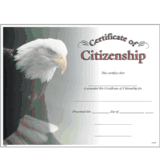
Personalized graduation certificates featuring student photos, specific achievements, and inspirational messages create affordable yet meaningful recognition that graduates display proudly throughout their lives. Custom certificates with school logos, graduation year details, and individual accomplishments cost under $5 each while providing lasting mementos of educational milestone achievement.
Student-created recognition elements including artwork, poetry, or collaborative projects combine creativity with heartfelt appreciation while reducing costs and increasing personal meaning. Student-designed programs, handmade decorations, or collaborative graduation displays become treasured elements that capture both achievement and school community spirit.
Digital recognition packages including online graduation galleries, social media features, or virtual ceremony elements provide modern celebration options that families can share proudly while building positive school publicity and community engagement around graduation achievement and school pride.
Budget-Smart Graduation Recognition Ideas
- Graduation Photo Displays: School hallway celebrations of graduating classes
- Achievement Booklets: Personalized summaries of student accomplishments
- Memory Videos: Collaborative recordings of school experiences and growth
- Recognition Breakfast/Lunch: Special meals celebrating graduates
- Alumni Letter Collection: Inspirational messages from former students
Premium Recognition for Major Milestones
Significant graduation milestones deserve elevated recognition that matches their importance while creating lasting symbols of educational achievement and personal growth. Premium awards become treasured possessions that graduates display with pride while remembering peak moments of their educational journey and preparation for future success.
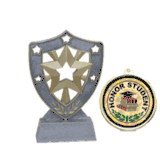
Engraved graduation medals with student names, achievement details, graduation dates, and inspirational messages create sophisticated recognition worthy of major educational milestones while providing wearable symbols that graduates can display during ceremony and treasure permanently. Quality medals with school emblems and personalized details become conversation starters that allow graduates to share their achievement stories.
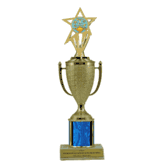
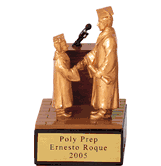
Custom graduation trophy designs enable schools to create unique recognition pieces that reflect institutional values, educational excellence, and the special qualities that characterize their graduate populations. Original trophy designs become signature recognition that graduates associate with their school experience and the communities that supported their success.
Crystal graduation awards with educational etching create elegant recognition appropriate for high school graduation while providing display pieces that reflect light beautifully in homes and offices. Premium crystal recognition with custom designs, achievement highlights, and inspirational engravings become heirloom-quality awards that families preserve for generations.
Graduation Success Formula
Academic Growth + Character Development + Community Contribution + Future Preparation = Graduate Ready for Success!
Age-Appropriate Ceremony Approaches
Effective graduation ceremonies must match developmental stages and age-appropriate expectations while celebrating achievements that reflect the growth and learning that characterize different educational levels and student readiness for next-step challenges and opportunities.
Early Childhood Celebrations
Kindergarten and primary grade ceremonies should be brief, engaging, and celebratory while acknowledging that young children have limited attention spans and need opportunities for movement, interaction, and family involvement throughout recognition events. These ceremonies should feel like parties rather than formal presentations.
Interactive ceremony elements for young graduates might include singing, simple speeches, or demonstration of learned skills while keeping programs short enough to maintain engagement and creating opportunities for children to show families what they've accomplished during their school experience.
Family-friendly timing and activities ensure that young children's graduation ceremonies accommodate naptime schedules, attention spans, and the need for informal celebration that allows families to mingle, take photos, and create positive associations with school achievement and educational milestone celebration.
Adolescent and Teen Recognition
Middle school ceremonies should acknowledge the increasing sophistication of adolescent graduates while maintaining enough structure to keep potentially restless teenagers engaged and creating opportunities for peer recognition and individual achievement acknowledgment that feels meaningful rather than embarrassing.
High school graduation ceremonies require more formal approaches that acknowledge the significance of completing secondary education while creating inspirational experiences that launch graduates toward their next life chapters with confidence, excitement, and appropriate recognition of their achievements and preparation.
Teen-appropriate recognition focuses on future potential, leadership development, and the transition to adult independence while celebrating both individual achievement and the collaborative learning experiences that characterize successful high school education and preparation for post-secondary success.
Graduation represents both an ending and a beginning - the completion of one educational chapter and the exciting start of new learning adventures. Recognition celebrates not just what students have accomplished, but the potential they carry forward into their bright futures.
Building Graduation Traditions
Sustainable graduation recognition requires establishing traditions that create continuity across years while allowing flexibility to acknowledge unique graduating classes and evolving educational priorities. Strong graduation traditions build school identity while creating shared experiences that connect alumni across generations.
Establishing Ceremony Traditions
Annual graduation themes create consistency while allowing each ceremony to feel unique and relevant to specific graduating classes. Whether focusing on achievement, character, future potential, or community contribution, thematic approaches provide structure while enabling personalization that reflects each group's particular strengths and characteristics.
Traditional ceremony elements like processions, speeches, award presentations, and recessionals create predictable structures that feel familiar and dignified while providing frameworks that can accommodate different class sizes, venue requirements, and special recognition needs that emerge from year to year.
Legacy recognition programs establish ongoing traditions where graduating classes contribute something permanent to school communities - whether memorial trees, scholarship funds, facility improvements, or community service projects that create lasting positive impact extending beyond graduation day.
Alumni Connection Building
Graduation recognition should create lasting connections between schools and graduates while establishing communication networks that support continued relationship building, mentorship opportunities, and ongoing engagement with educational communities that supported their development and success.
Alumni involvement in graduation ceremonies creates inspirational connections while demonstrating the long-term value of education and the ongoing community of learners that schools foster. Former graduates can provide perspective, encouragement, and real-world examples of how educational foundation supports lifelong success and contribution.
Continuing recognition programs maintain connections with graduates while creating opportunities for ongoing celebration of post-graduation achievements, career success, community contribution, and the ways that educational foundations continue to influence personal and professional development throughout adult life.
Graduation ceremony recognition represents investment in student motivation, family pride, and community celebration while creating positive closure for completed educational chapters and generating excitement for continued learning, growth, and contribution throughout graduates' future endeavors and life experiences.
Whether planning intimate kindergarten celebrations or elaborate high school ceremonies, the essential element remains ensuring every graduate feels genuinely celebrated for their unique journey, personal growth, and individual contribution to their educational community while building confidence and excitement for their next learning adventure.
From academic excellence to character development, from specialty club achievements to community service recognition, graduation awards should celebrate the diverse ways students have grown and contributed while reinforcing that education is a lifelong journey deserving continued celebration, recognition, and support throughout all future endeavors.
Professional ceremony expertise helps schools create maximum positive impact while maintaining realistic budgets and logistical feasibility. Partner with experienced specialists who understand educational milestones and can balance traditional ceremony elements with creative personalization, creating memorable graduation experiences that inspire continued excellence and lifelong positive associations with learning achievement.