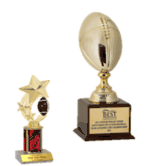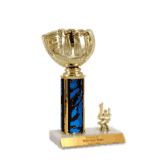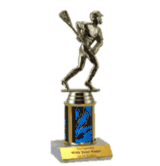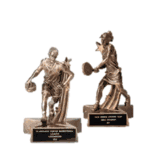

What's the Difference Between Baseball Participation and MVP Trophies? |
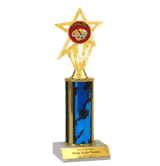
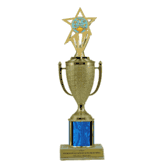
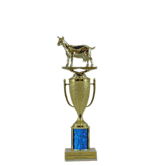
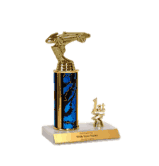
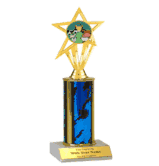
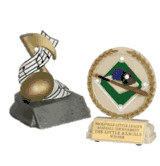
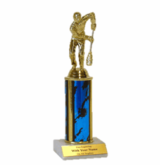
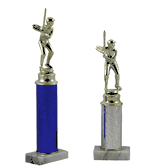
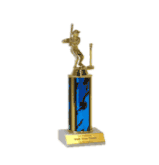
Participation trophies recognize all team members equally and are typically 8-10 inches tall, while MVP and achievement trophies are usually 2-4 inches taller to create visual distinction for special accomplishments. The difference is primarily in size, engraving, and presentation significance. Participation Trophy CharacteristicsParticipation trophies celebrate every player's contribution to the team regardless of skill level, batting average, or playing time. These awards recognize effort, attendance, teamwork, and being part of the season experience. Typical features:
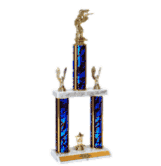
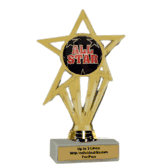
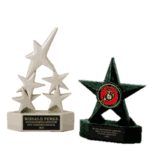
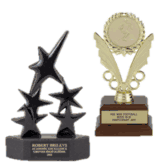
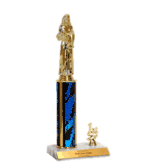
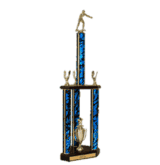
MVP and Achievement Trophy CharacteristicsMVP and special achievement trophies recognize exceptional performance, leadership, improvement, or specific statistical accomplishments. These awards distinguish individual excellence within the team. Typical features:
Common Achievement Award CategoriesBeyond MVP, consider these popular special achievement categories for youth baseball:
Expert TipThe ideal ratio for youth baseball teams is one participation trophy per player plus 3-4 special achievement awards total. This ensures everyone is recognized while making special awards genuinely meaningful. Giving too many special awards dilutes their significance and can make the awards ceremony drag on. Keep it focused and impactful. Age ConsiderationsHow you balance participation and achievement trophies should vary by age group: T-Ball Ages 4-6: Focus almost entirely on participation. Consider giving only participation trophies or limiting special awards to one simple "Coach's Choice" award. At this age, showing up and having fun is the achievement. Coach Pitch Ages 7-8: Introduce 1-2 achievement awards to recognize standout performances while still giving everyone participation trophies. Keep awards simple like "Most Improved" and "Hustle Award." Minors Ages 9-10: Award 2-3 achievement trophies including MVP and position-specific recognition. Players this age understand performance distinctions and appreciate statistical achievements. Majors Ages 11-12: Award 3-4 achievement trophies including batting titles, pitching awards, and defensive recognition. May also add all-star team recognition for league standouts. Juniors/Seniors Ages 13+: Often shift toward fewer participation awards and more achievement-based recognition. Some competitive leagues at this level only give trophies for tournament wins and championships. Budget-Friendly ApproachIf budget is tight, consider this hybrid approach:
This maintains the recognition hierarchy while keeping costs manageable for volunteer coaches and recreational leagues. Travel Ball ConsiderationsTravel baseball teams often handle recognition differently than recreational leagues:
The competitive nature of travel ball means participation isn't the primary achievement - winning is. Adjust your trophy strategy accordingly. Making the Presentation SpecialRegardless of trophy type, thoughtful presentation enhances the value:
The Participation Trophy Debate in BaseballBaseball has an especially strong tradition of statistical achievement and performance measurement. Some coaches question whether participation trophies are appropriate in a sport so focused on individual statistics and results. Balanced approach: Most youth baseball experts recommend participation recognition through ages 10-12 to maintain team cohesion and keep all players engaged. For ages 13+, many programs transition to achievement-only recognition, as players at that level have self-selected into competitive baseball and understand performance-based rewards. The key is being transparent with players and parents about what each trophy represents and maintaining consistent standards across teams and seasons. Related QuestionsReady to Order Participation and Achievement Trophies?Shop our full range of youth baseball trophies or browse all baseball trophy questions. |

FREE ENGRAVING ON
TROPHIES & PLAQUES

FAST, RELIABLE & SECURE
SHOP WITH CONFIDENCE

FREE ECONOMY SHIPPING OVER $125
ON 1000's OF SELECT TROPHIES & AWARDS

QUALITY CUSTOM AWARDS AT
DISCOUNTED PRICES

4.9 RATING Over 2,300 ★★★★★ Reviews

Trophy, Award & Engraving Experts
Trusted by Schools, Leagues & Businesses Since 1999
Trusted by Schools, Leagues & Businesses Since 1999