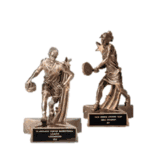


End-of-Season Recognition Ideas: Celebrate More Than Just Wins and Stats
The season is over. Someone scored the most points. Someone else had the best batting average. And everyone knows who won MVP.
But what about the player who showed up to every single practice despite working two jobs? The one who lifted everyone up after tough losses? The athlete who transformed from a liability into a solid contributor through sheer determination?
These stories deserve recognition too. This guide shows you how to celebrate the full spectrum of achievement on your team, creating an end-of-season ceremony that every player remembers for years.
Why Traditional Awards Miss the Mark
Most teams hand out the same awards every year. Most Valuable Player. Most Improved. Best Offensive Player. Best Defensive Player. Done.
These awards matter. But they create a predictable problem. The same three players who dominated all season win all the awards while fifteen other athletes who contributed significantly to your team go home empty-handed.
Worse, these traditional awards reinforce a narrow definition of success. They tell your team that only statistical performance counts. That effort without results does not matter. That character means less than talent.
This approach misses opportunities to recognize the behaviors you actually want to encourage. Leadership. Resilience. Growth. Teamwork. Dedication.
Expanding your recognition strategy does not diminish your star players. It illuminates the full ecosystem that made your season successful.
The Recognition Pyramid Strategy
Think about recognition in tiers. Not everyone needs a major trophy, but everyone deserves acknowledgment.
Tier One: The Elite Awards
These are your major awards that come with physical trophies or plaques. Limit these to 3-5 awards maximum to maintain significance.
- Most Valuable Player
- Leadership Award
- Coaches Award for most exemplifying team values
- Most Improved Player
- One sport-specific technical excellence award
Strategy: Present these awards last at your ceremony. Build anticipation. Explain in detail why each recipient earned their award with specific examples from the season.
Tier Two: The Character Awards
These awards recognize important contributions beyond statistics. Give 5-8 of these awards. Consider smaller trophies, medals, or certificates.
- Heart and Hustle Award
- Best Teammate Award
- Comeback Player of the Year
- Unsung Hero Award
- Practice Player of the Year
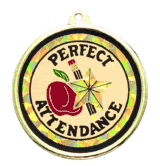
- Iron Person Award for perfect attendance and durability
- Game Day Energy Award
- Mental Toughness Award
Strategy: Present these in the middle of your ceremony. Share brief stories about why each player earned their recognition.
Tier Three: The Universal Recognition
Every single person on your team receives something personal. This might be certificates, team photos, small mementos, or personalized notes.
- Individualized season highlight certificates
- Personal letters from coaches highlighting specific growth moments
- Team photo with handwritten note on back
- Small engraved medal or keychain with team motto
Strategy: Start your ceremony by distributing these to everyone. Establish immediately that every person contributed to your season.
This three-tier approach ensures your stars get spotlight moments while every athlete goes home feeling seen and valued.
Creative Award Categories That Actually Matter
Beyond the standard awards, here are recognition categories that highlight the characteristics you want to cultivate in your program.
The Growth Mindset Award
Recognize the player who embraced coaching, learned from mistakes, and showed consistent improvement in skill, attitude, or both. This is different from Most Improved because it focuses on the learning process rather than just results.
When to use: You have an athlete who worked incredibly hard on fundamentals, asked great questions, implemented feedback immediately, and may or may not have achieved dramatic statistical improvement.
The Glue Award
Identify the player who held your team together. The one who connected different friend groups. Who included new members. Who mediated conflicts. Who knew when teammates needed support.
When to use: You have someone who was not a vocal leader or a captain but whose presence was essential to team chemistry. The person who made practice enjoyable for everyone.
The First One In, Last One Out Award
Celebrate the athlete who arrived early and stayed late. Who put in extra work. Who treated every practice like it mattered.
When to use: You have a player whose work ethic was consistently exceptional regardless of playing time or recognition. This award shows your team that dedication does not go unnoticed.
The Clutch Performer Award
Highlight the player who performed best when pressure was highest. Who wanted the ball in crucial moments. Who elevated their game in big matches.
When to use: You have an athlete who may not have the best season statistics but consistently showed up in your most important competitions.
The Rising Star Award
Recognize younger players showing tremendous potential. This award looks forward rather than backward.
When to use: You want to encourage a freshman, sophomore, or junior who is developing rapidly and will be crucial to your program in coming years.
The Positive Attitude Award
Celebrate the player who brought energy and optimism regardless of circumstances. Who kept spirits high after losses. Who found silver linings.
When to use: You have someone whose positivity was contagious and valuable. This is not about fake enthusiasm but genuine resilience and optimism that lifted your team.
The Student of the Game Award
Honor the player with the deepest understanding of strategy, tactics, and the mental aspects of your sport. They might be coaching teammates during practice or asking sophisticated questions about game situations.
When to use: You have an athlete whose basketball IQ, soccer intelligence, or tactical knowledge exceeds their physical tools. Someone who sees the game at a higher level.
Fun and Memorable Award Ideas
Not every award needs to be serious. Mixing in lighthearted recognition creates memorable moments and shows your team that sports should be enjoyable.
The Soundtrack Award
Present this to the player whose music choices made practice better. Include a small speaker or headphones with their trophy. Bonus points if you make a playlist of their contributions.
Why it works: Music matters to teams. Recognizing the DJ acknowledges their role in setting practice atmosphere.
The Snack Champion Award
Honor the player who brought the best snacks or most consistently remembered team snack duty. Include a gift card to their favorite snack source.
Why it works: This award is funny but actually recognizes reliability and thoughtfulness. Plus everyone remembers who brought the good snacks.
The Bus Entertainment Award
Celebrate the player who made road trips better through stories, games, playlists, or just pure comedic timing.
Why it works: Road trips matter. Team bonding happens on buses. This award recognizes someone who contributed to team culture in underappreciated ways.
The Best Hype Person Award
Give this to the benchwarmer who cheered harder than anyone. The player who was the loudest supporter during games.
Why it works: This award tells your team that contributing from the bench matters. It validates players with limited playing time and shows that enthusiasm and support count.
The Rally Cap Champion
Present this to whoever led the best comebacks or inspired the team when trailing. Could be a player who consistently made momentum-shifting plays or simply rallied spirits.
Why it works: Resilience deserves recognition. This award celebrates fighting back and never giving up.
Making Your Ceremony Meaningful
Awards matter less than how you present them. The ceremony itself creates the lasting memory.
Tell Stories Instead of Reading Stats
Do not just announce names. Share specific moments. When presenting the Heart and Hustle Award, describe the rainy practice when that player dove for every loose ball. For the Best Teammate Award, tell the story of when they stayed late helping a struggling teammate with footwork. These narratives create emotional resonance that generic praise cannot match.
Create a Ceremony Structure That Builds Energy
Start with universal recognition so everyone receives something immediately. This relaxes your team and establishes inclusive tone.
Move to fun awards next. These lighter moments create laughter and keep energy high.
Present character awards in the middle. These are meaningful but not the peak of your ceremony.
Build to your major awards last. Save MVP, Leadership, and Coaches Awards for the finale.
This structure maintains engagement throughout rather than peaking early then trailing off.
Involve Teammates in Award Decisions
Let players vote on certain awards like Best Teammate, Most Positive Attitude, or fun categories. According to the National Federation of State High School Associations, peer recognition often means more to athletes than coach recognition alone.
Combine coach input with player voting. You choose finalists based on your observations. Players vote on winners from your shortlist. This approach validates player perspectives while maintaining appropriate oversight.
Make Awards Personal and Specific
Avoid generic plaques that just say the award name. Add personalization. Include the player's name, year, and a brief phrase capturing their specific contribution.
Instead of just Leadership Award, engrave Leadership Award: Voice of Encouragement and Example of Excellence.
Instead of just Iron Person Award, engrave Iron Person Award: 128 Consecutive Practices, Zero Excuses.
These details transform a generic trophy into a personal memory.
Alternative Recognition Formats
Trophies and plaques are traditional but not required. Consider these alternatives that may resonate more with your team.
The Letter Campaign
Write each player a personal letter highlighting their season. Include specific moments you noticed. Growth you observed. Characteristics you admire. What you will remember about them.
Present these letters individually in envelopes during your ceremony. Players can read them later privately.
Why it works: Written words last forever. Players will keep these letters for decades. Many will consider this more valuable than any trophy.
The Video Tribute
Create a short video for each player showing their season highlights. Include practice moments, game action, team interactions, and funny outtakes. Add captions noting their contributions.
Play these during your ceremony or share links afterward so players and families can keep them.
Why it works: Video captures memories that written awards cannot. Families love these. Players watch them repeatedly.
The Appreciation Circle
Before announcing formal awards, have your team sit in a circle. Go around with each person sharing one thing they appreciate about the player next to them.
This simple exercise ensures everyone hears something positive from a teammate.
Why it works: Peer recognition matters immensely. This takes 15 minutes but creates memories that last years.
The Legacy Board
Create a poster board or photo collage for each senior showing their career highlights. Include photos from all their years in your program. Add quotes from teammates. Display these at your ceremony then give them to seniors afterward.
Why it works: Seniors especially need tangible reminders of their full journey. These boards honor their complete contribution to your program.
Budget-Friendly Recognition Options
Meaningful recognition does not require big budgets. Here are effective options at various price points.
Free or Near-Free Options
Personal letters from coaches cost nothing but time. Certificates designed and printed yourself run under ten dollars for the whole team. Create awards from craft supplies for fun categories.
Senior tribute videos made on your phone cost nothing. The appreciation circle exercise is completely free.
Recognition is about thoughtfulness and effort, not money spent.
Small Budget Options
For fifty to one hundred dollars total, purchase small medals or ribbons for everyone. Print nice certificates at a copy shop. Buy small engraved keychains or bag tags with team motto.
Thrift stores often have interesting vintage trophies you can repurpose for fun awards.
Medium Budget Options
With two to five hundred dollars, provide team photo prints in frames for everyone. Order custom medals or small trophies for character awards. Purchase nice plaques or larger trophies for major awards.
Explore your options for quality sport trophies and medals that fit your budget while maintaining quality that players will cherish.
Special Recognition for Different Situations
Some seasons present unique recognition challenges that require thoughtful approaches.
Recognizing Athletes With Limited Playing Time
Players who rarely entered games still practiced daily and contributed to your team culture. They deserve thoughtful recognition beyond participation certificates.
Approach: Focus on their practice contributions, improvement, attitude, or support roles. The Practice Player of the Year, Best Teammate, or Best Hype Person awards work well. In your presentation, specifically mention how their practice intensity pushed starters or how their positive attitude kept team morale high.
Avoid awards that accidentally highlight their lack of playing time like Most Enthusiastic Benchwarmer. Keep dignity intact while genuinely recognizing contribution.
Celebrating Challenging Seasons
If your team struggled with wins and losses, traditional performance awards feel hollow. Shift focus to growth, resilience, and character.
Approach: Create awards around improvement, perseverance, and positive attitude. The Resilience Award. The Growth Award. The Bright Future Award. Acknowledge the difficult season honestly then celebrate what your team did well despite challenges.
Find genuine positives. Someone improved their skills dramatically. Someone showed up every day with great attitude despite losses. Someone demonstrated leadership during adversity. These stories matter more than win-loss records.
Honoring Injured Athletes
Players sidelined by injury often feel invisible during recognition ceremonies. They need acknowledgment too.
Approach: Create specific recognition for how they contributed despite injury. Did they attend every game to support teammates? Help with coaching or statistics? Maintain positive attitude during rehabilitation? These contributions deserve mention.
The Comeback Spirit Award or the Perseverance Through Adversity Award work well. Your presentation should acknowledge the difficulty of their injury while celebrating how they remained engaged with the team.
What to Say When Presenting Awards
Your words matter as much as the award itself. Here is how to make presentations meaningful.
Template for Major Awards:
This [award name] recognizes [general description of what award represents].
This year, one person clearly exemplified [key characteristic]. Let me share why.
[Tell specific story from season that demonstrates why this player earned the award. Use details. Make it visual and emotional.]
[Tell second brief example if possible.]
[Explain impact this player had on team.]
The [year] [award name] goes to [player name]. [Player name], would you come up?
Template for Character Awards:
The [award name] celebrates [what characteristic this award honors].
[Brief specific example of why this player earned it.]
[One sentence about impact on team.]
This year that person is [player name].
Template for Fun Awards:
[Award name] this year was an easy choice.
[Brief funny example or explanation.]
We all know who earned this. [Player name], come get your award!
The key is specificity. Generic praise sounds hollow. Detailed stories create memorable moments.
Building This Into Your Program Culture
One great recognition ceremony is good. Making it a program tradition is better.
Establish your ceremony format and stick with it. Athletes on your team today will remember receiving certain awards and hope to earn them in future years. This continuity builds program identity.
Keep records of past award winners. Display them on a wall or website. This history shows new team members what your program values.
Update and refine your awards each year. Add new categories when you identify characteristics worth celebrating. Retire awards that no longer resonate.
Make your ceremony annual tradition that players look forward to. Choose consistent venue, invite families, make it special. This event should feel like a celebration, not an obligation.
Common Recognition Mistakes to Avoid
Mistake One: Giving Too Many Major Awards
When ten players receive major trophies, those awards lose meaning. Tier your recognition instead. Elite awards stay rare and significant.
Mistake Two: Making Everything About Winning
If your only awards celebrate statistics and wins, you tell your team that nothing else matters. This creates toxic culture where effort without results feels worthless.
Mistake Three: Creating Awkward or Embarrassing Awards
Avoid awards that accidentally humiliate. The Biggest Klutz Award might seem funny but damages dignity. Keep fun awards genuinely fun, not mean-spirited.
Mistake Four: Rushing the Ceremony
If you blow through awards in ten minutes without explanation, your recognition feels perfunctory. Invest time in meaningful presentation. This ceremony is important.
Mistake Five: Forgetting to Recognize Yourself and Fellow Coaches
Have an administrator, parent, or senior player present you with appreciation too. Coaches contribute immensely to seasons and deserve acknowledgment. Model accepting recognition graciously for your team.
Recognition That Resonates
Great recognition ceremonies do more than hand out trophies. They reinforce your program values. They validate contributions beyond box scores. They create memories that outlast the season.
Your ceremony tells your team what you truly value. Make sure your recognition reflects the culture you want to build.
Start planning now. Choose your award categories. Consider which players embody different characteristics. Write down specific stories you want to share. Order or create awards early.
The time you invest in thoughtful recognition pays dividends in program culture, player satisfaction, and team cohesion for years to come.