
The Complete Guide to Organizing Cooking Competitions |
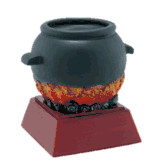
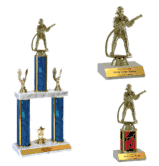
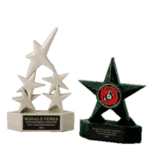
Organizing a cooking competition brings together community spirit, culinary creativity, and friendly competition in ways that create lasting memories for participants and spectators alike. Whether you're planning an intimate neighborhood chili cook-off, a large-scale BBQ championship, or a corporate team-building culinary challenge, success depends on mastering the intricate details of event coordination, food safety compliance, and participant management. This comprehensive guide walks you through every aspect of competition planning, from initial concept development through final award ceremonies, ensuring your culinary event runs smoothly while keeping everyone safe and engaged. Defining Your Competition Concept and GoalsEvery successful cooking competition starts with a clear vision that guides all subsequent planning decisions. Your competition concept establishes the foundation for everything from venue selection to prize structures, making this initial planning phase crucial for long-term success. Competition Format SelectionThe format you choose dramatically influences participant experience, venue requirements, and operational complexity. Single-dish competitions focus on one specific item like chili, BBQ ribs, or apple pie, creating intense specialization and easier logistics management. These formats work particularly well for community fundraisers and casual events where participation matters more than complex judging criteria. Multi-course competitions challenge participants to demonstrate broader culinary skills across appetizers, main dishes, and desserts. These elaborate formats require significantly more space, equipment, and time but create impressive showcases of culinary talent. Professional and semi-professional competitions often use multi-course formats to evaluate comprehensive cooking abilities. Mystery basket challenges, popularized by television cooking shows, provide all participants with identical ingredient sets and time limits to create original dishes. This format emphasizes creativity and adaptability while ensuring fair competition conditions. However, mystery basket events require substantial ingredient procurement and careful timing coordination. Team-based competitions foster collaboration and communication skills while creating natural social dynamics that enhance participant enjoyment. Corporate team-building events particularly benefit from collaborative formats that encourage workplace relationships outside traditional office settings. Individual competitions allow for personal recognition and skill demonstration but may create less social engagement among participants. Target Audience and Skill Level AssessmentUnderstanding your anticipated participants shapes every aspect of competition design, from rule complexity to equipment requirements. Amateur home cooks need different support systems than culinary school students or restaurant professionals. Family-oriented events emphasize fun and participation, while professional competitions focus on technical skill evaluation and industry recognition. Age considerations affect both safety protocols and competition categories. Children's events require enhanced supervision, simpler recipes, and age-appropriate equipment. Mixed-age competitions benefit from separate judging categories that allow fair evaluation across different skill and experience levels. Cultural and dietary considerations influence ingredient selection, menu options, and accommodation planning. Vegetarian, vegan, gluten-free, and other dietary restrictions require advance planning to ensure inclusive participation. Religious and cultural food practices may affect scheduling, ingredient choices, and preparation methods. Venue Selection and Setup RequirementsVenue selection represents one of the most critical decisions in competition planning, as it affects participant capacity, equipment availability, safety compliance, and overall event atmosphere. The right venue supports your competition goals while providing necessary infrastructure for safe food preparation and service. Essential Facility RequirementsCommercial-grade cooking facilities provide the ideal foundation for serious cooking competitions. Restaurant kitchens, culinary schools, and community center commercial kitchens offer professional equipment, proper ventilation, and built-in safety systems. These facilities typically include multiple cooking stations, adequate refrigeration, and food service preparation areas that meet health department standards. Outdoor venues like parks and fairgrounds work well for BBQ competitions and casual cook-offs but require significant infrastructure planning. Portable cooking equipment, temporary electrical service, and weather protection become essential considerations. Generator capacity must support multiple cooking appliances simultaneously, while tent or pavilion rentals provide shade and weather protection for both participants and spectators. Space allocation requires careful calculation based on participant numbers and competition format. Individual cooking stations need adequate workspace for food preparation, cooking equipment, and ingredient storage. A typical cooking station requires 6-8 feet of linear workspace plus access areas for safe movement. Additional space needs include spectator areas, judging stations, equipment storage, and emergency access routes. Electrical and utility requirements scale dramatically with participant numbers and equipment types. Electric grills, food processors, mixers, and lighting systems create substantial power demands that must be calculated and provisioned in advance. Water access becomes crucial for food preparation, cleaning, and sanitation throughout the event. Waste management systems must handle both regular trash and food waste disposal according to local regulations. Safety and Accessibility PlanningFire safety takes on heightened importance in cooking competitions due to multiple heat sources, open flames, and concentrated cooking activities. Fire extinguisher placement, emergency evacuation routes, and first aid stations require strategic positioning throughout the venue. Many jurisdictions require fire department notification or permits for large cooking events, particularly those involving open flame cooking. Accessibility compliance ensures all participants and spectators can fully enjoy the event regardless of physical capabilities. Americans with Disabilities Act (ADA) requirements affect venue selection, restroom facilities, and cooking station design. Wheelchair-accessible cooking stations, ramps, and designated seating areas demonstrate inclusive event planning that welcomes all community members. Crowd control and traffic flow management prevent congestion that could create safety hazards or diminish participant experience. Designated pathways separate spectator areas from active cooking zones while maintaining visibility for judging and entertainment value. Emergency vehicle access must remain clear throughout the event duration. Food Safety Regulations and ComplianceFood safety represents the most critical aspect of cooking competition organization, as violations can result in serious illness, legal liability, and event cancellation. Understanding and implementing proper food safety protocols protects participants and spectators while ensuring regulatory compliance that allows your event to proceed legally. Health Department Requirements and PermitsLocal health departments typically regulate public food events through permitting processes that vary significantly by jurisdiction. Contact your local health authority at least 8-12 weeks before your event to understand specific requirements, application procedures, and inspection schedules. Some areas require temporary food service permits, while others may need special event classifications depending on the competition scale and food distribution plans. Permit applications often require detailed event plans including participant numbers, food types being prepared, cooking methods, and serving procedures. Health inspectors may require pre-event facility inspections to ensure compliance with sanitation standards, proper equipment, and adequate safety measures. Understanding these requirements early prevents last-minute complications that could jeopardize your event. Food handler certifications may be required for competition organizers, volunteers, or even participants depending on local regulations. Many jurisdictions offer temporary certification courses specifically designed for special events. Ensuring key personnel have appropriate certifications demonstrates professional planning and regulatory compliance. Temperature Control and Safe Food HandlingThe FDA emphasizes four fundamental food safety principles that apply directly to cooking competitions: Clean, Separate, Cook, and Chill. These principles become more complex in competitive environments with multiple cooks, shared spaces, and time pressures that can compromise safety protocols. Temperature control represents the most critical safety factor, as foodborne illness bacteria multiply rapidly in the "danger zone" between 40℉ and 140℉. According to the CDC, perishable foods must be refrigerated within 2 hours of preparation, or within 1 hour when ambient temperatures exceed 90℉ (CDC Food Safety for Buffets and Parties, 2023). Cooking competitions require adequate refrigeration capacity for ingredient storage and finished product holding. Safe minimum internal cooking temperatures vary by food type and must be verified with calibrated food thermometers rather than visual inspection. The USDA Food Safety and Inspection Service specifies that ground meats must reach 160℉, whole cuts of beef and pork require 145℉ with a 3-minute rest period, and all poultry must reach 165℉ for safety (USDA Food Safety Basics, 2024). Cross-contamination prevention requires systematic separation of raw and cooked foods, dedicated cutting boards for different food types, and frequent hand washing throughout the cooking process. Competition environments with shared workspace and equipment create elevated cross-contamination risks that require vigilant monitoring and clear protocols. Ingredient Sourcing and Storage ProtocolsIngredient quality and sourcing affect both food safety and competition fairness. Establishing approved supplier lists ensures consistent quality while meeting food safety standards. Some competitions provide all ingredients to ensure fairness, while others allow participants to bring their own ingredients under specific guidelines. Storage protocols must maintain proper temperatures and prevent contamination from arrival through final preparation. Refrigerated ingredients require continuous cold chain maintenance, while dry goods need protection from moisture and pests. Clear labeling systems help participants identify their ingredients while preventing mix-ups that could affect competition results. Allergen management becomes particularly important when participants prepare foods for judging by others. Common allergens like nuts, shellfish, and dairy require clear identification and separation to prevent serious health reactions. Some competitions prohibit high-risk allergens entirely, while others require detailed ingredient disclosure and separated preparation areas. Competition Structure and Rule DevelopmentWell-designed rules create fair competition while providing clear expectations for participants. Effective rule systems balance creative freedom with practical constraints that ensure safety, fairness, and efficient event operation. Category and Division PlanningCompetition categories should reflect participant skill levels and interests while creating meaningful recognition opportunities. Amateur divisions encourage hobbyist participation without intimidation from professional competitors. Professional categories attract culinary experts who expect sophisticated judging criteria and valuable prizes. Age-based divisions ensure fair competition among participants with similar experience levels and physical capabilities. Children's categories require simplified recipes, enhanced safety supervision, and age-appropriate time limits. Adult divisions can incorporate more complex cooking techniques and longer preparation times. Specialty categories like vegetarian, gluten-free, or regional cuisine create niche recognition opportunities that attract diverse participants. These categories require specialized judging expertise and may need separate preparation areas to prevent cross-contamination with restricted ingredients. Time Limits and Preparation SchedulesTime management affects both participant experience and event logistics. Longer time limits allow more complex dishes but require extended venue rental and staffing commitments. Shorter timeframes create excitement and television-style drama but may compromise food quality or safety if participants feel rushed. Staggered start times help manage crowd flow and judging logistics when dealing with large participant numbers. Starting different categories at 30-60 minute intervals allows judges to evaluate dishes at peak quality while preventing bottlenecks in serving and cleanup. Preparation time includes both active cooking and mandatory rest periods for food safety. Some dishes require cooling time before serving, while others need warming periods to reach optimal serving temperatures. Building these requirements into competition schedules ensures both safety compliance and optimal taste evaluation. Equipment and Ingredient RestrictionsEquipment standardization promotes fairness while managing venue capacity and electrical requirements. Providing identical cooking equipment eliminates advantages based on expensive or specialized tools. However, allowing personal equipment can showcase individual cooking styles and techniques that demonstrate skill and creativity. Ingredient restrictions may prohibit expensive specialty items that create unfair advantages, dangerous items that pose safety risks, or common allergens that threaten participant safety. Clear ingredient lists help participants prepare while preventing disputes during competition. Prohibited items often include alcohol in cooking (due to flame risks and age considerations), expensive ingredients like truffles or rare spices (for fairness), and items requiring special handling or storage that exceeds venue capabilities. These restrictions should be clearly communicated during registration to prevent participant disappointment. Judging Systems and Criteria DevelopmentFair and consistent judging creates competition credibility while providing meaningful feedback that enhances participant experience. Professional judging systems balance objective criteria with subjective evaluation in ways that reflect culinary excellence across multiple dimensions. Judge Recruitment and TrainingQuality judges combine culinary expertise with objective evaluation skills and professional demeanor. Local restaurant chefs, culinary school instructors, and food service professionals bring technical knowledge and industry credibility. Food writers, cookbook authors, and culinary influencers offer consumer perspective and promotional value for your event. Judge training sessions ensure consistent evaluation standards and familiarize judges with specific criteria and scoring systems. Training should cover scoring sheet completion, tasting procedures, and communication protocols during evaluation. Discussing potential bias recognition and management helps maintain fair evaluation across all participants. Anonymous judging procedures prevent favoritism and create objective evaluation environments. Numbering or coding entries rather than identifying participants by name allows judges to focus purely on food quality and presentation. Some competitions use multiple judging rounds with different judge panels to increase reliability and reduce individual bias effects. Scoring Categories and WeightingComprehensive scoring systems evaluate multiple aspects of culinary achievement while maintaining clear standards that participants can understand and target. Taste typically receives the highest weighting (40-50% of total score) as the most fundamental aspect of cooking success. Flavor balance, seasoning, and overall palatability provide objective measures of culinary skill. Presentation and visual appeal account for 20-30% of total scores, reflecting the importance of visual aesthetics in modern culinary culture. Plating technique, color balance, and creative garnishing demonstrate professional skills that extend beyond basic cooking competency. Clear presentation standards help judges evaluate consistently across different dish styles and cultural approaches. Creativity and originality (15-25% of total score) reward innovation and personal expression while encouraging participants to showcase unique perspectives and techniques. This category particularly benefits from diverse judging panels that can appreciate different cultural traditions and cooking styles. Technical execution (10-20% of total score) evaluates cooking techniques, ingredient handling, and food safety compliance. This category requires judges with professional cooking experience who can assess knife skills, cooking methods, and ingredient preparation quality. Feedback and Communication ProtocolsConstructive feedback enhances participant experience and educational value while maintaining positive event atmosphere. Written comments on scoring sheets provide specific, actionable advice that participants can use to improve future cooking. Focusing on specific techniques, seasoning adjustments, or presentation improvements offers more value than general praise or criticism. Public scoring announcements create excitement and transparency while allowing spectators to understand judging decisions. However, detailed feedback should be provided privately to prevent embarrassment or disappointment in public settings. Some competitions offer optional one-on-one feedback sessions where judges can provide detailed guidance to interested participants. Dispute resolution procedures handle scoring questions or procedural complaints that may arise during competition. Clear escalation processes and designated officials help resolve issues quickly and fairly while maintaining event momentum and positive atmosphere. Participant Registration and CommunicationEffective registration systems streamline participant management while ensuring all necessary information is collected for successful event execution. Clear communication throughout the planning process builds excitement and ensures participants arrive prepared for competition. Registration Systems and RequirementsOnline registration platforms simplify application processing while automatically collecting essential participant information. Digital systems can validate required fields, process payments, and send automatic confirmation emails that reduce administrative overhead. Popular platforms like Eventbrite, Google Forms, or specialized event management software offer varying levels of functionality and integration capabilities. Registration deadlines should provide adequate planning time while allowing flexibility for participants with unpredictable schedules. Early bird pricing encourages advance registration that helps with planning while rewarding committed participants. Late registration policies should balance accommodation with operational requirements that affect food purchasing and space allocation. Required information typically includes contact details, emergency contacts, dietary restrictions, competition category preferences, and liability waivers. Food allergy disclosure protects both participants and organizers while enabling proper preparation area management. Some competitions require proof of food handler certification or insurance coverage depending on local regulations and organizational policies. Pre-Event Communication and PreparationDetailed participant packets provide essential information that enables proper preparation and reduces event-day confusion. These materials should include complete rule sets, equipment lists, venue directions, parking information, and detailed schedules with arrival and setup times. Clear formatting and organization help participants find critical information quickly. Equipment and ingredient guidelines help participants prepare appropriately while ensuring safety and fairness standards. Prohibited item lists prevent disappointment and safety hazards, while recommended equipment suggestions help novice participants prepare adequately. Some competitions provide basic equipment lists that participants can use as preparation checklists. Final confirmation communications sent 1-2 weeks before the event provide last-minute details, weather contingency plans, and reminder information that ensures strong participation rates. These communications should include contact information for event-day questions or emergencies that may affect participation. Logistics and Day-of-Event ManagementSmooth event execution requires detailed operational planning that addresses timing, crowd flow, safety monitoring, and contingency management. Successful event management balances structured organization with flexibility to handle unexpected challenges that inevitably arise during complex events. Setup and Equipment ManagementSetup schedules should begin several hours before participant arrival to ensure all systems are tested and operational. Cooking stations require individual setup verification including electrical connections, equipment functionality, and workspace organization. Safety equipment like fire extinguishers, first aid kits, and emergency lighting should be positioned and tested during setup periods. Equipment inventory management prevents shortages and ensures fair distribution of shared resources. Checklists for each cooking station help volunteers verify complete setup while identifying any missing or damaged items that require replacement. Backup equipment should be readily available for critical items like thermometers, timers, and basic cooking tools. Volunteer coordination and training ensure adequate staffing throughout the event while maintaining consistent service standards. Clear role assignments, communication protocols, and supervisory structures help volunteers contribute effectively while managing their own questions and concerns. Crowd Control and Spectator ManagementSpectator areas require careful design that provides good visibility while maintaining safe separation from cooking activities. Barriers or roping can define spectator boundaries while allowing movement between viewing areas. Elevated viewing platforms or stadium seating arrangements enhance visibility for larger crowds without compromising safety or cooking space. Traffic flow management becomes particularly important during peak periods like judging time or award ceremonies when crowd density increases significantly. One-way traffic patterns, designated entrance and exit points, and clear signage help prevent congestion that could create safety hazards or diminish spectator experience. Entertainment and engagement activities keep spectators interested during cooking periods when visual activity may be limited. Live music, cooking demonstrations, or vendor booths create additional value for spectators while generating potential revenue streams for event organizers. Emergency Preparedness and Risk ManagementMedical emergency procedures require advance coordination with local emergency services and on-site medical personnel if available. First aid stations should be clearly marked and staffed by trained personnel throughout the event duration. Emergency vehicle access routes must remain clear and identifiable to emergency responders who may not be familiar with the venue layout. Fire safety protocols become particularly critical given the concentration of cooking equipment and open flames. Fire extinguisher placement, emergency evacuation procedures, and communication systems require advance planning and participant briefing. Some venues require fire watches or additional safety personnel during cooking competitions. Weather contingency planning protects both participants and equipment while ensuring event continuity despite adverse conditions. Tent or pavilion rentals provide protection for outdoor events, while indoor backup venues may be necessary for severe weather situations. Communication systems for weather-related delays or cancellations should reach all participants and spectators quickly. Prize Structure and Award CeremoniesMeaningful recognition and well-executed award ceremonies create lasting positive memories that encourage future participation and enhance community engagement. Prize structures should reflect competition goals while providing appropriate recognition for various achievement levels. Award Categories and Prize DistributionTraditional place-based awards (1st, 2nd, 3rd place) create clear competitive hierarchies while providing multiple recognition opportunities within each competition category. However, expanded award categories like "Most Creative," "Best Presentation," or "People's Choice" allow recognition of diverse strengths and increase participant satisfaction rates. Prize value should reflect competition scale and participant investment while maintaining reasonable budget constraints. Grand prize awards might include professional cooking equipment, gift certificates to culinary retailers, or experiences like cooking classes or restaurant dining. Lower-tier prizes can include cookbooks, kitchen gadgets, or specialty food items that provide useful value to participants. Non-monetary recognition often carries significant value for participants who appreciate public acknowledgment of their skills and efforts. High-quality cooking trophies and certificates create lasting mementos that participants can display proudly while promoting your event through word-of-mouth marketing. Ceremony Planning and PresentationAward ceremony timing affects both participant and spectator engagement levels. Mid-day ceremonies may conflict with continued cooking activities, while evening ceremonies can celebrate completion and create festive conclusion atmospheres. Consider participant energy levels, travel schedules, and venue rental constraints when scheduling award presentations. Presentation formats can range from simple announcements to elaborate staged ceremonies with speeches, photography opportunities, and entertainment elements. Professional photography or videography services capture important moments while providing promotional content for future marketing efforts. Social media sharing opportunities help extend event reach while celebrating participant achievements. Recognition speeches should highlight specific achievements and cooking techniques while maintaining appropriate length for audience attention spans. Involving sponsors or community leaders in award presentations creates networking opportunities while acknowledging organizational support that makes events possible. Budget Planning and Sponsorship DevelopmentSuccessful cooking competitions require careful financial planning that balances participant fees, sponsorship revenue, and operational costs to ensure both quality experience and financial sustainability. Cost Assessment and Budget DevelopmentMajor expense categories include venue rental, equipment rental or purchase, ingredient costs (if provided), insurance coverage, permits and licenses, staff or volunteer expenses, prize costs, and marketing materials. Venue costs often represent the largest single expense, particularly for events requiring commercial kitchen facilities or extensive outdoor infrastructure. Equipment expenses can vary dramatically depending on competition format and provided amenities. Basic cooking competitions might require minimal additional equipment if participants bring their own tools, while elaborate events providing standardized cooking stations require significant investment in grills, preparation tables, electrical service, and safety equipment. Hidden costs often emerge during detailed planning and include items like waste disposal, cleaning services, security deposits, additional insurance coverage, and contingency expenses for weather or equipment failures. Planning 10-15% budget contingency helps manage unexpected expenses without compromising event quality or safety. Sponsorship Strategy and Revenue GenerationCorporate sponsorship opportunities align business marketing goals with community engagement while providing essential funding for competition expenses. Local restaurants, grocery stores, kitchen equipment retailers, and food distributors represent natural sponsors with direct connections to culinary events and target audiences. Sponsorship packages should offer clear value propositions including brand visibility, community association, and marketing opportunities that justify sponsor investment. Logo placement on promotional materials, booth space at events, and social media recognition provide measurable marketing value that sponsors can evaluate against traditional advertising costs. Revenue diversification through entry fees, spectator tickets, food sales, and merchandise reduces dependence on any single funding source while creating multiple engagement opportunities. Vendor booth rentals or food truck participation can generate revenue while enhancing spectator experience through additional dining options. Marketing and Community EngagementEffective marketing builds event awareness while attracting quality participants and engaged spectators who create the community atmosphere that makes cooking competitions memorable and worthwhile. Traditional and Digital Marketing StrategiesSocial media platforms offer cost-effective marketing reach with targeted audience capabilities that traditional advertising cannot match. Facebook events, Instagram posts featuring food photography, and cooking demonstration videos build excitement while showcasing the quality and creativity participants can expect. Community partnerships with local restaurants, cooking stores, and culinary schools provide cross-promotional opportunities that reach engaged food enthusiasts. Restaurant partnerships might include promotional dining specials tied to competition themes, while cooking stores can offer participant discounts or prize donations in exchange for marketing exposure. Traditional media including local newspapers, radio stations, and community newsletters remain effective for reaching broader community audiences who might not engage heavily with social media. Press releases highlighting community benefits, charity fundraising components, or notable participants can generate free publicity that extends marketing reach significantly. Community Building and Long-Term EngagementSuccessful cooking competitions often evolve into annual traditions that build community identity and participant loyalty over time. Creating consistent branding, memorable experiences, and participant feedback systems helps establish foundation for recurring events that grow in quality and attendance. Participant alumni networks can provide planning assistance, mentoring for new participants, and promotional support that reduces organizational overhead while building competition credibility. Experienced participants often become competition advocates who recruit friends and colleagues through personal recommendations. Year-round engagement through social media groups, recipe sharing, or related social events maintains community connections between annual competitions while building anticipation for upcoming events. These ongoing relationships create more than just one-day events and establish lasting community value. Post-Event Evaluation and Future PlanningSystematic post-event analysis transforms competition experiences into organizational knowledge that improves future events while maximizing community impact and participant satisfaction. Feedback Collection and AnalysisParticipant surveys should collect specific feedback about registration processes, communication quality, venue adequacy, rule clarity, judging fairness, and overall satisfaction levels. Digital survey platforms enable quick distribution and automated analysis while providing anonymous feedback channels that encourage honest responses. Volunteer feedback provides operational insights about staffing adequacy, training quality, and procedural effectiveness that may not be visible to participants or spectators. Volunteer perspectives often identify efficiency improvements and safety concerns that enhance future event planning. Financial analysis should compare actual expenses and revenues against budgeted amounts while identifying cost-saving opportunities and revenue enhancement strategies. Understanding true event costs enables better pricing decisions and sponsorship planning for subsequent events. Documentation and Institutional KnowledgeComprehensive event documentation preserves successful approaches while identifying areas for improvement that might be forgotten during the months between annual events. Timeline documentation, vendor contracts, permit procedures, and lesson learned summaries provide invaluable resources for future organizing committees. Photo and video documentation serves dual purposes of promotional content for future events and historical records that demonstrate event evolution and community impact over time. Professional documentation also provides content for sponsor recognition and community promotion that extends event value beyond single-day occurrences. For organizers seeking high-quality recognition products that celebrate culinary achievements, TrophyCentral's collection of cooking certificates and awards provides customizable options that reflect the professional quality and community spirit that make cooking competitions memorable and meaningful for all participants. Successfully organizing cooking competitions requires attention to countless details, from initial concept development through final cleanup and evaluation. However, the community connections, culinary creativity, and shared experiences that result from well-planned events justify the extensive effort required. By focusing on safety, fairness, and participant enjoyment while building sustainable organizational systems, your cooking competition can become an anticipated community tradition that brings people together through the universal language of food and friendly competition. Sources and ReferencesU.S. Food and Drug Administration. (2024). Safe Food Handling. Retrieved from https://www.fda.gov/food/buy-store-serve-safe-food/safe-food-handling Centers for Disease Control and Prevention. (2023). Food Safety for Buffets and Parties. Retrieved from https://www.cdc.gov/foodsafety/serving-food-safely.html U.S. Department of Agriculture Food Safety and Inspection Service. (2024). Keep Food Safe! Food Safety Basics. Retrieved from https://www.fsis.usda.gov/food-safety/safe-food-handling-and-preparation/food-safety-basics/steps-keep-food-safe |