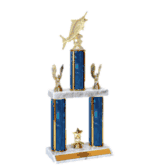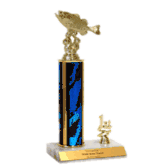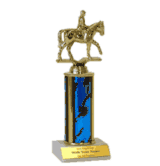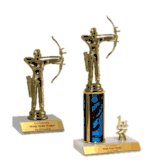

Coaching young athletes is like being a conductor, cheerleader, teacher, and mentor all rolled into one amazing role that shapes not just athletic skills but character, confidence, and life-long love for sports and physical activity! Every practice, game, and team interaction provides opportunities to inspire effort, celebrate growth, and help young athletes discover their potential both on and off the field.
According to research from Positive Coaching Alliance, young athletes who receive consistent encouragement and meaningful recognition show 42% higher retention rates in sports programs and develop significantly stronger self-confidence, teamwork skills, and resilience that benefit them throughout their lives.
Athletic Development Discovery! Sports psychology research reveals that positive coaching experiences during youth athletics influence children's attitudes toward physical activity, goal-setting, and personal challenge for an average of 20+ years. One inspiring coach can literally shape a child's entire approach to health, fitness, and personal achievement!
Whether you're coaching T-ball players who chase butterflies in the outfield or competitive teenagers preparing for championship games, the right combination of motivation strategies, recognition systems, and meaningful rewards can transform your team into a place where athletes feel valued, supported, and excited about improving their skills while having fun. From simple high-fives to elaborate team celebrations, from individual skill acknowledgment to team achievement recognition, effective athletic motivation requires understanding what makes young athletes thrive while maintaining the structure and positive culture that supports both individual growth and team success. Explore our comprehensive collection of sports resources and coaching tools designed specifically to help coaches create inspiring, motivating team experiences.
Understanding Young Athlete Motivation
Athletic motivation for young people combines the desire to improve skills, contribute to team success, gain peer acceptance, and experience the joy of physical movement and competition. Unlike adult athletes who often focus primarily on performance outcomes, young athletes need motivation that emphasizes effort, improvement, fun, and positive social connections.
The most effective coaching motivation recognizes that athletic development occurs at different rates and in different ways for each athlete while maintaining team unity and shared goals that bring everyone together around common purposes and celebrations.
Developmental Stage Considerations
Young children (ages 5-8) participate in sports primarily for fun, social interaction, and the joy of movement. These athletes respond enthusiastically to games, celebrations, and recognition that emphasizes participation and effort rather than competitive outcomes. Simple rewards, enthusiastic praise, and team activities that feel like play create positive associations with athletics and physical activity.
Elementary athletes (ages 9-12) begin developing sport-specific skills while maintaining strong needs for fun and social connection. These players appreciate recognition that acknowledges skill improvement, team contribution, and sportsmanship while still emphasizing enjoyment and friendship building over winning and competition pressure.
Middle school athletes (ages 13-15) navigate increasing competitive expectations while dealing with rapid physical and emotional development. These athletes need recognition that balances individual achievement with team success while acknowledging the courage required to compete during challenging developmental years.
High school athletes often have serious competitive goals while preparing for potential college athletics opportunities. These young adults appreciate recognition that acknowledges their dedication, leadership development, and athletic achievement while helping them maintain perspective about sports' role in their overall development and future success.
Skill Development Recognition
Celebrate individual improvement in specific skills through practice awards that acknowledge effort, persistence, and measurable progress in athletic abilities!
Team Contribution Awards
Recognize players who support teammates, encourage others, and contribute to positive team culture regardless of playing time or skill level!
Effort and Attitude Recognition
Honor athletes who consistently give their best effort, maintain positive attitudes, and demonstrate sportsmanship during both victories and challenges!
Creating Positive Team Culture Through Recognition
Team culture forms through daily interactions, shared experiences, and the values that coaches emphasize through their attention, recognition, and celebration choices. Positive team cultures celebrate both individual achievement and collective success while maintaining standards that challenge everyone to improve.
Building Inclusive Recognition Systems
Multi-category awards ensure that athletes with different strengths receive acknowledgment throughout the season. When recognition includes categories like Most Improved, Best Teammate, Hardest Worker, and Team Spirit alongside traditional performance awards, every athlete has opportunities to be celebrated for their unique contributions and growth.
Rotating recognition opportunities prevent the same athletes from receiving all acknowledgment while encouraging different players to step up in various ways throughout the season. Weekly or monthly recognition cycles create frequent positive moments while ensuring that different aspects of athletic development receive attention and celebration.
Peer nomination systems allow teammates to recognize each other's contributions, building team bonds while helping coaches identify positive behaviors and achievements they might have missed. When athletes nominate teammates for recognition, they learn to notice and appreciate different types of contributions while feeling ownership in team culture development.
Sportsmanship and Character Development
Good sportsmanship recognition teaches athletes that how they compete matters as much as results while building character traits that extend far beyond athletics. Sportsmanship awards acknowledge athletes who respect opponents, accept referee decisions gracefully, and demonstrate integrity during competitive moments.
Leadership development recognition identifies and encourages emerging leaders while teaching that leadership means serving teammates rather than just being the best player. Leadership awards acknowledge athletes who help others improve, demonstrate positive attitudes during challenges, and contribute to team problem-solving and decision-making.
Community service recognition connects athletics to broader social responsibility while teaching athletes that their platform as competitors provides opportunities to contribute positively to their communities. Service awards celebrate athletes who volunteer their time and represent their teams well in community settings.
Team Culture Building Recognition Ideas
- Teammate of the Week: Peer-nominated recognition for supportive and encouraging behavior
- Practice Champion: Acknowledgment for outstanding effort and focus during training
- Comeback Player: Recognition for overcoming challenges or returning from setbacks
- Spirit Award: Celebrating athletes who bring energy and positivity to team activities
- Improvement Spotlight: Highlighting specific skill development and growth achievements
Individual Achievement Recognition That Motivates
Individual recognition within team settings requires balancing personal achievement celebration with team unity and shared goals. Effective individual recognition acknowledges personal growth and contribution while reinforcing that individual success serves team success and collective achievement.
Skill Development and Performance Recognition
Technical skill awards acknowledge athletes who demonstrate mastery of sport-specific abilities while encouraging continued learning and improvement. These awards celebrate both natural talent development and the hard work required to transform potential into actual athletic ability and competitive contribution.
Performance milestone recognition acknowledges significant achievements like personal bests, scoring records, or defensive accomplishments while maintaining focus on how individual success contributes to team goals and collective celebration. Milestone awards help athletes understand that personal achievement and team success support each other.
Consistency awards recognize athletes who perform reliably week after week, demonstrating the preparation and mental approach that enable sustained athletic contribution. Consistency recognition teaches that excellence requires daily commitment rather than just occasional outstanding performances.
Work Ethic and Preparation Recognition
Training dedication awards acknowledge athletes who consistently demonstrate outstanding effort during practice, conditioning, and skill development sessions. These awards teach that success results from preparation rather than just game-day performance while encouraging habits that support long-term athletic development.
Mental toughness recognition celebrates athletes who persevere through challenges, maintain focus during pressure situations, and demonstrate resilience when facing setbacks or difficult competition. Mental toughness awards acknowledge that athletic success requires psychological strength alongside physical ability.
Preparation excellence awards recognize athletes who arrive ready to compete, take care of equipment responsibly, and demonstrate professional approaches to their athletic commitment. Preparation awards teach life skills while acknowledging the behind-the-scenes work that enables successful competitive performance.
Recognition Impact Research! Studies from the American Psychological Association show that young athletes who receive specific, effort-focused recognition demonstrate 38% greater persistence when facing athletic challenges and develop stronger beliefs in their ability to improve through practice and determination!
Team Achievement Celebrations That Build Unity
Team recognition creates shared positive experiences that bond athletes together while celebrating collective effort and achievement. Effective team celebrations acknowledge everyone's contribution while creating memories that strengthen team identity and motivate continued collaboration and mutual support.
Performance-Based Team Recognition
Victory celebrations that acknowledge both individual contributions and collective effort help athletes understand that team success requires everyone's participation while creating positive associations with hard work and collaboration. Victory recognition should celebrate both the outcome and the process that made success possible.
Improvement celebrations recognize team progress in areas like conditioning, skill development, or competitive performance regardless of win-loss records. Improvement celebrations help teams maintain motivation throughout challenging seasons while acknowledging that development and growth represent success worth celebrating.
Milestone achievements like winning streaks, defensive records, or tournament advancement deserve special recognition that acknowledges the sustained effort and collaborative excellence required for significant team accomplishments. Milestone celebrations create shared memories while building team pride and identity.
Process and Culture Recognition
Team chemistry awards acknowledge groups that demonstrate exceptional collaboration, mutual support, and positive interaction during practices and competitions. Chemistry recognition teaches that athletic success requires good relationships alongside skill development while celebrating the social aspects of team sports participation.
Resilience recognition celebrates teams that respond positively to setbacks, maintain effort during difficult periods, and demonstrate collective mental toughness when facing challenges. Resilience awards acknowledge that athletic competition includes adversity and that how teams respond to challenges defines their character and potential.
Community impact recognition celebrates teams that represent their organizations well through community service, academic achievement, or positive behavior in public settings. Community recognition helps athletes understand that being part of a team includes responsibility to broader communities while building pride in positive representation.
Effective Recognition System Benefits
- Increases athlete motivation and engagement in training
- Builds positive team culture and mutual support
- Develops character traits that extend beyond athletics
- Creates inclusive environment where all athletes feel valued
- Reinforces behaviors and attitudes that support long-term success
Implementation Considerations
- Requires consistent application across diverse athlete personalities
- Must balance individual recognition with team unity
- Need to maintain authenticity while providing frequent recognition
- Time investment for tracking progress and planning celebrations
- Budget considerations for awards, celebrations, and recognition materials
Budget-Friendly Recognition That Feels Championship-Level
Creating meaningful athletic recognition doesn't require expensive budgets when creativity, personal attention, and genuine appreciation guide reward selection and celebration planning. The emotional impact and sense of being valued matter infinitely more than monetary cost in creating positive motivation that athletes remember throughout their lives.
Creative Low-Cost Recognition Options
Personalized recognition through individualized feedback, specific achievement acknowledgment, and one-on-one encouragement provides powerful motivation without requiring financial investment. Coaches who remember specific improvements, acknowledge effort in particular situations, and provide detailed positive feedback create recognition that athletes treasure more than expensive awards.
Team tradition development like special handshakes, victory songs, or post-game rituals creates meaningful recognition through shared experiences that build team identity. Traditions that acknowledge achievement while building community provide lasting recognition that costs nothing but creates memories athletes cherish throughout their lives.
Public recognition through social media posts, team newsletters, or announcements at school extends appreciation beyond the team while building family and community awareness of athletic achievement and positive development. Public recognition helps athletes feel pride while strengthening support networks around youth athletics.
Effective Low-Cost High-Impact Rewards
Certificate and ribbon programs provide tangible recognition that athletes can display and share with families while acknowledging specific achievements and contributions. Quality certificates with detailed descriptions of accomplishments create meaningful documentation of athletic development and team participation.
Special privilege rewards like choosing team warm-up music, leading team stretches, or selecting post-game snacks provide recognition through responsibility while giving athletes ownership in team operations. Privilege rewards feel valuable while helping coaches manage team logistics and building athlete investment in team success.
Celebration activities like team movie nights, pizza parties, or special practice games create shared positive experiences that acknowledge achievement while building team bonds. Celebration activities create positive memories associated with hard work and success while strengthening relationships that support continued motivation and participation.
Athletic Motivation Success Formula
Clear Goals + Consistent Encouragement + Meaningful Recognition + Fun Experiences = Motivated Athletes!
Season-Long Recognition and Development
Sustainable athletic motivation requires recognition systems that evolve throughout seasons while maintaining consistent positive reinforcement and developmental focus. Season-long recognition helps athletes understand that improvement and contribution matter more than just championship outcomes.
Progressive Recognition Systems
Skills progression tracking that acknowledges incremental improvement helps athletes see their development while maintaining motivation during challenging learning periods. Progressive recognition systems celebrate small victories while building toward larger achievement goals that require sustained effort and commitment.
Leadership development opportunities that rotate among team members provide recognition through responsibility while helping multiple athletes develop confidence and contribution skills. Rotating leadership recognition ensures that different athletes experience being valued for their unique strengths and perspectives.
Goal achievement recognition that acknowledges both individual and team objective completion helps athletes understand the relationship between preparation and success while maintaining focus on controllable factors rather than just competitive outcomes.
End-of-Season Celebration and Recognition
Comprehensive season review recognition that acknowledges each athlete's growth, contribution, and development helps teams celebrate collective achievement while ensuring every participant feels valued for their unique journey and improvement throughout the season.
Legacy and tradition recognition helps departing athletes understand their contribution to ongoing team culture while inspiring returning athletes to continue building positive program traditions. Legacy recognition connects individual participation to larger team history and community impact.
Future goal setting recognition helps athletes understand that current season participation prepares them for continued athletic development and life skill application while maintaining motivation for continued training and improvement during off-season periods.
The best coaches understand that athletic recognition is not about creating dependence on external validation, but about helping young athletes discover their own capacity for effort, improvement, and contribution to teams that celebrate everyone's growth and achievement.
Building Life Skills Through Athletic Recognition
Athletic recognition provides opportunities to reinforce character development, work ethic, and social skills that athletes apply throughout their lives. Effective recognition systems connect athletic experiences to broader life preparation while maintaining focus on immediate team goals and athletic development.
Character Development Through Sports Recognition
Integrity recognition acknowledges athletes who demonstrate honesty, fair play, and ethical behavior during competitive situations while teaching that character matters more than winning. Integrity awards help athletes understand that how they compete defines them more than their competitive results.
Perseverance recognition celebrates athletes who continue working despite setbacks, maintain effort during difficult periods, and demonstrate that resilience can be developed through practice and support. Perseverance awards teach life skills while acknowledging the mental strength required for athletic participation and improvement.
Respect recognition acknowledges athletes who treat teammates, opponents, coaches, and officials with dignity while understanding that sports provide opportunities to practice treating others well even during competitive and emotional situations.
Life Skills Application Recognition
Time management recognition celebrates athletes who balance athletics with academic responsibility, family obligations, and personal development while learning skills that support success in all life areas. Time management awards acknowledge that athletic participation should enhance rather than detract from overall personal development.
Communication skills recognition acknowledges athletes who demonstrate effective teamwork, conflict resolution, and leadership communication while learning interpersonal skills that benefit them in school, family, and future career settings.
Goal setting recognition celebrates athletes who establish realistic objectives, develop plans for achievement, and demonstrate understanding that success requires both vision and systematic effort toward improvement and accomplishment.
Coach resources for young athlete motivation represent investment in both immediate team success and long-term character development while creating positive athletic experiences where young people discover their potential and develop love for physical activity and competition that supports lifelong health and wellness.
Whether implementing simple recognition systems or comprehensive motivation programs, the essential element remains building authentic relationships with athletes while providing recognition that celebrates effort, improvement, and positive contribution to teams where everyone can develop athletic skills alongside important life lessons.
From daily encouragement to season-ending celebrations, from individual achievement to team accomplishment recognition, effective coaching strategies help create athletic environments where young people feel valued, supported, and excited about challenging themselves while developing the intrinsic motivation that supports continued participation and personal growth.
Professional guidance and quality resources help coaches navigate the complex balance between competition and development while creating team environments that support diverse athletes and maintain appropriate expectations for athletic and character growth. Partner with experienced sports specialists who understand youth development and motivation science while providing practical tools that enhance rather than complicate effective coaching practice.