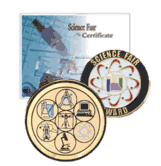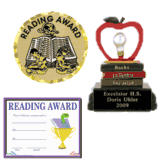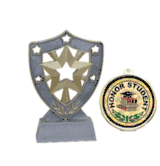

Awards 101: How to Choose the Perfect Recognition for Every Achievement |
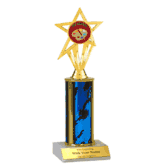
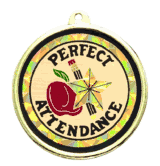
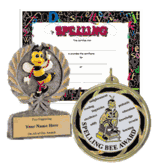
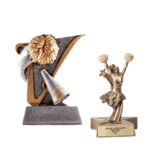
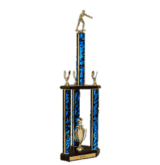
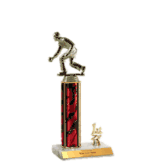
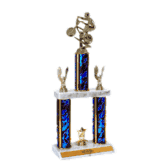
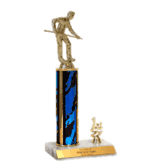
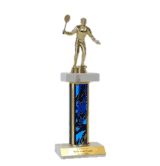
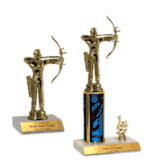
Walking into any awards showroom or browsing online catalogs can feel overwhelming. Hundreds of trophies glisten under bright lights, countless plaques display elegant engraving samples, and medals of every size and finish catch your eye. Which one is right for your specific situation? The choice between a crystal award and a traditional trophy, or a medal versus a plaque, can significantly impact how recipients feel about their recognition and how memorable the moment becomes. The truth is that selecting the perfect award requires more than just picking something that looks nice. Research from Gallup reveals that meaningful recognition significantly impacts employee engagement, productivity, and retention, making your award choice a crucial investment in motivation and morale. Whether you're recognizing workplace excellence, academic achievement, athletic performance, or volunteer service, the right award communicates value, respect, and genuine appreciation for accomplishments. This comprehensive guide will walk you through every aspect of award selection, from understanding the psychological impact of different recognition types to making practical decisions about materials, sizing, and budget considerations. By the end, you will have the knowledge and confidence to select awards that truly honor achievements and create lasting positive memories. Understanding the Psychology Behind Recognition PreferencesBefore diving into specific award types, it helps to understand why certain recognition formats resonate more strongly with different people and situations. Recognition psychology research shows that people respond differently to various forms of acknowledgment based on their personality, cultural background, and the context of their achievement. Public versus Private RecognitionSome individuals thrive on public recognition and feel most valued when their achievements are celebrated openly. These people typically respond well to trophies and plaques that can be displayed prominently in offices, homes, or common areas using trophy cases. The visibility of the award extends the recognition beyond the presentation moment, serving as an ongoing reminder of the achievement and a conversation starter with others. Other individuals prefer more personal, private forms of recognition. They might appreciate elegant awards that can be kept in personal spaces or medals that can be worn during special occasions but stored privately otherwise. Understanding your recipients' preferences helps guide the decision between highly visible awards and more personal recognition pieces. Individual versus Team RecognitionThe nature of the achievement also influences award selection. Individual accomplishments often call for personalized awards that reflect the specific person's contribution and journey. Team achievements might benefit from matching awards that emphasize unity and shared success, or larger awards that can be displayed in common areas to represent collective effort. Consider whether you want recipients to feel singled out for their unique contributions or connected to a larger group effort. This distinction helps determine not only the type of award but also the engraving approach and presentation style. Achievement Type and Award ExpectationsDifferent types of achievements carry different cultural expectations for recognition. Athletic accomplishments often involve medals and sports awards that connect to sports tradition and can be displayed or worn with pride. Academic achievements might call for certificates, plaques, or awards that reflect the scholarly nature of the accomplishment. Corporate recognition might benefit from elegant desk accessories or wall-mounted awards that fit professional environments. Research from Workhuman and Gallup shows that recognition programs designed around specific organizational cultures and achievement types are significantly more effective at driving engagement and performance improvements. Trophies: When Traditional Recognition Makes the Biggest ImpactTrophies remain the gold standard for many recognition situations because they combine visual impact, tradition, and versatility in ways that few other award types can match. Understanding when trophies work best helps ensure your recognition efforts create maximum impact. Sports and Athletic RecognitionAthletic achievements and sports-related recognition naturally pair with trophy awards. The tradition of trophy presentation in sports creates expectations and emotional connections that make trophies feel appropriate and meaningful. From youth league participation awards to championship celebrations, trophies communicate achievement in a language that athletes and sports fans immediately understand. Consider trophy size and style based on the level of achievement and the age of recipients. Younger athletes might appreciate colorful, fun trophy designs that celebrate participation and effort, while older competitors might prefer more sophisticated styles that reflect serious athletic accomplishment. Championship trophies can be larger and more elaborate, while season participation awards can be smaller but still meaningful. Academic and School RecognitionEducational settings often benefit from trophy recognition for academic competitions, student achievement, and school-based accomplishments. Academic trophies can celebrate everything from spelling bee victories to science fair excellence, debate team success to perfect attendance. School-based trophies should reflect the educational environment while still feeling special and worthy of the achievement. Consider incorporating academic symbols like books, graduation caps, or subject-specific imagery that connects the award to the specific accomplishment being recognized. Corporate and Workplace AchievementBusiness environments can effectively use trophy awards for sales achievements, project completions, innovation recognition, and team accomplishments. Corporate trophies work particularly well for competitive situations like sales contests or for achievements that benefit from public recognition within the organization. Professional trophy selection should emphasize elegance and quality over flashiness. Business trophies serve as conversation pieces and office decorations for years after presentation, so they should reflect the professional standards and aesthetic preferences of the workplace. Community and Volunteer RecognitionCommunity organizations, volunteer groups, and civic organizations often find that trophies effectively honor service contributions and community impact. Volunteer recognition trophies can celebrate years of service, special contributions, or leadership achievements within community organizations. Community-focused trophies should emphasize the connection between individual achievement and broader community benefit. Consider designs that incorporate community symbols or imagery that reflects the specific type of service being recognized. Plaques: Sophisticated Recognition for Professional SettingsPlaques offer a more mature, professional approach to recognition that works particularly well in business environments and for formal achievements. The flat, wall-mountable format makes plaques ideal for long-term display while providing ample space for detailed engraving. Professional and Executive RecognitionBusiness environments often favor plaque recognition because it fits seamlessly into office aesthetics and professional decor. Executive recognition, years of service acknowledgment, and career milestone celebrations benefit from the sophisticated appearance that quality plaques provide. Professional plaques should emphasize quality materials and expert craftsmanship. Wood finishes like cherry, walnut, or black piano create timeless elegance that ages well in professional settings. The engraving should be generous enough to tell the achievement story while maintaining clean, readable formatting. Academic and Educational RecognitionEducational institutions frequently use plaques for faculty recognition, student achievement, and institutional awards. Academic plaques work well for teacher appreciation, scholarship recognition, graduation honors, and educational service acknowledgment. School-based plaques can incorporate institutional colors, logos, or symbols while maintaining the professional appearance that educational environments require. Consider perpetual plaques for ongoing recognition like teacher of the year or student of the month programs. Memorial and Dedication RecognitionPlaques excel at memorial recognition and dedication ceremonies because they provide permanent, dignified commemoration of contributions and achievements. Memorial plaques can honor individuals whose contributions deserve lasting recognition, while dedication plaques can mark special projects, building dedications, or community improvements. Memorial and dedication plaques should emphasize permanence and dignity through material choices and design elements. Bronze, brass, or high-quality engraved plates ensure that memorial recognition will withstand time and weather while maintaining their meaningful appearance. Organizational and Institutional AwardsOrganizations and institutions often prefer plaques for formal recognition because they can accommodate detailed information about achievements while providing professional presentation options. Institutional plaques can recognize donors, board members, volunteers, or community partners whose contributions deserve formal acknowledgment. Organizational plaques should reflect the institution's brand and values through material choices, design elements, and engraving styles. Consistency in plaque appearance across different recognition levels helps build institutional recognition programs that feel cohesive and professional. Medals: Celebrating Achievement with Portable PrideMedals offer unique advantages for recognition programs, combining portability, affordability, and strong symbolic meaning. The ability to wear medals during ceremonies or special occasions creates emotional connections that other award types cannot replicate. Athletic and Competitive RecognitionSports environments naturally embrace medal recognition because of the strong traditions connecting medals to athletic achievement. From Olympic games to local competitions, medals communicate achievement in ways that athletes and spectators immediately understand and respect. Athletic medals should reflect the level and type of competition being recognized. Gold, silver, and bronze finishes create clear achievement hierarchies for competitive events, while participation medals can use other finishes or colors to celebrate involvement and effort without creating competitive comparisons. Consider medal size based on the significance of the achievement and the age of recipients. Larger medals feel more significant for major accomplishments, while smaller medals work well for participation recognition or budget-conscious programs. Academic and School AchievementEducational settings can effectively use medals for academic competitions, honor roll recognition, graduation ceremonies, and special academic achievements. Academic medals work particularly well for ceremonies where recipients will be wearing them during the recognition event. School medals should incorporate academic imagery and symbols that connect to educational achievement. Subject-specific medals can recognize excellence in particular areas like mathematics, science, or language arts, while general academic medals can celebrate overall achievement or honor roll status. Corporate and Professional RecognitionWhile less common in business settings, medals can work effectively for corporate recognition when the achievement calls for ceremonial presentation or when recipients value portable recognition they can display during professional events. Professional medals should maintain sophisticated appearance and quality materials that reflect workplace standards. Consider medallions or larger medal formats that feel appropriate for adult professionals while still providing the symbolic meaning that makes medal recognition special. Community and Service RecognitionCommunity organizations and service groups often find medals effective for volunteer recognition, service anniversary celebrations, and community achievement acknowledgment. Service medals can be worn during organization events, creating visible recognition that reinforces community connections. Community service medals should reflect the values and mission of the organization while honoring the specific contributions being recognized. Custom medal designs can incorporate organization logos, community symbols, or imagery that connects to the particular type of service being celebrated. Material Choices That Communicate Value and QualityThe materials used in awards significantly impact how recipients perceive the value and importance of their recognition. Understanding material options and their implications helps ensure your awards communicate appropriate respect for the achievements being honored. Wood Awards: Timeless Elegance and Natural BeautyWood awards, particularly plaques, communicate timeless elegance and natural beauty that ages gracefully over time. Wood materials work exceptionally well in professional environments, academic settings, and situations where traditional, sophisticated recognition is desired. Popular wood choices include cherry, walnut, oak, and black piano finishes, each offering different aesthetic qualities. Cherry provides warm, rich tones that photograph beautifully and complement most office environments. Walnut offers deeper, more dramatic coloring that creates sophisticated, executive-level appearance. Oak provides classic, traditional appearance with distinctive grain patterns, while black piano finishes offer sleek, modern elegance. Wood awards require quality construction and finishing to maintain their appearance over time. Look for awards that use solid wood or high-quality wood veneer construction rather than printed wood-grain patterns that can fade or chip with handling. Crystal and Glass Awards: Modern SophisticationCrystal trophies and glass awards provide modern, sophisticated appearance that works particularly well for high-level executive recognition, prestigious achievement acknowledgment, and contemporary professional environments. The clarity and light-reflecting qualities of crystal create visual impact that photographs beautifully. Crystal awards can accommodate detailed engraving, laser etching, and full-color printing that creates stunning visual presentations. The three-dimensional nature of crystal awards allows for creative shapes and designs that can be customized to reflect specific achievements or organizational themes. Quality varies significantly among crystal awards, so consider the optical clarity, weight, and construction quality when selecting crystal recognition. Higher-quality crystal will have better clarity, fewer bubbles or imperfections, and more substantial weight that communicates value. Metal Awards: Durability and Traditional AppealMetal awards, including brass, bronze, pewter, and aluminum options, provide durability and traditional appeal that works well for outdoor installations, memorial recognition, and situations where longevity is paramount. Metal awards can withstand environmental conditions while maintaining their appearance and readability over decades. Different metals communicate different messages about achievement value and recognition importance. Bronze and brass suggest traditional, prestigious recognition, while pewter offers elegant, sophisticated appearance. Aluminum provides modern, contemporary styling with excellent durability at moderate cost. Metal awards often require professional installation for wall mounting or permanent display, so consider the installation requirements and long-term maintenance needs when selecting metal recognition options. Acrylic and Resin Awards: Affordable VersatilityAcrylic and resin awards provide affordable recognition options that can still look professional and meaningful when properly designed and constructed. These materials work particularly well for large recognition programs, youth awards, and situations where budget considerations are important. Modern acrylic awards can achieve sophisticated appearance through quality construction, professional engraving, and thoughtful design. Full-color printing, laser engraving, and creative shapes allow acrylic awards to be customized extensively while maintaining reasonable costs. Resin awards offer three-dimensional sculptural possibilities that can create unique, memorable recognition pieces. Hand-painted resin awards can incorporate detailed imagery, organizational logos, and custom design elements that make each award distinctive. Sizing Considerations: Making Recognition Feel RightAward size significantly impacts how recipients and observers perceive the importance and value of the recognition. Getting the proportions right ensures that awards feel appropriate for the achievements they celebrate without overwhelming recipients or appearing insignificant. Achievement Level and Award ScaleMajor achievements typically call for larger, more substantial awards that communicate the significance of the accomplishment. Championship trophies, lifetime achievement recognition, and major milestone celebrations benefit from impressive scale that matches the importance of the occasion. Routine recognition and participation awards should be appropriately sized to feel meaningful without creating unrealistic expectations for future recognition. Consistent sizing within recognition programs helps establish clear achievement hierarchies while ensuring all recipients feel valued. Consider the display environment when determining award size. Office awards should fit comfortably on desks or wall spaces without overwhelming the professional environment, while presentation ceremonies might accommodate larger awards that create visual impact during the recognition event. Recipient Age and Award ProportionsYounger recipients often appreciate awards that feel substantial in their hands without being so large as to be impractical. Youth awards should be sized appropriately for children to handle, display, and transport without difficulty. Adult recipients typically prefer awards that feel substantial and valuable without being ostentatious or difficult to display. Professional recognition should maintain dignified proportions that fit workplace environments and personal display preferences. Consider how recipients will transport, display, and interact with their awards over time. Awards that are too large become storage problems, while awards that are too small may not feel significant enough to warrant prominent display. Budget and Size RelationshipsAward size directly impacts cost, so understanding the relationship between size, materials, and budget helps optimize recognition value. Sometimes selecting higher-quality materials in smaller sizes creates more impressive awards than choosing larger awards in budget materials. Consider the total cost per recipient when planning recognition programs that will be repeated regularly. Establishing consistent size standards helps control costs while ensuring recognition feels fair and appropriate across different achievement levels. Group recognition programs benefit from size consistency that creates visual unity during presentation ceremonies while allowing for material or style variations that distinguish different achievement levels. Engraving and Personalization: Making Awards Truly MeaningfulThe engraving and personalization choices you make can transform a generic award into a treasured keepsake that recipients value for years. Thoughtful engraving tells the story of the achievement while creating emotional connections that generic recognition cannot match. Essential Information ElementsEvery meaningful award should include certain essential information that identifies the recipient, the achievement, and the context of the recognition. This typically includes the recipient's name, the specific achievement or reason for recognition, the date of the achievement or presentation, and the organization or group providing the recognition. Consider how this information will appear on the award and ensure that the engraving is large enough to be easily readable while maintaining attractive proportions. The recipient's name should be prominently featured, while supporting information should provide context without overwhelming the primary message. Accuracy is crucial for engraved awards since corrections are typically impossible once the engraving is completed. Double-check all names, dates, and achievement details before placing engraving orders, and consider having a second person review the information for potential errors. Achievement-Specific PersonalizationThe most meaningful awards go beyond basic information to tell the specific story of the achievement being recognized. This might include particular accomplishments, measurable results, or qualities that made the recipient deserving of recognition. Academic awards can include specific achievements like GPA, class rank, or particular academic accomplishments. Athletic award medals might reference specific performance results, team contributions, or competitive achievements. Professional recognition can highlight particular projects, performance metrics, or leadership contributions. Achievement-specific engraving helps recipients remember not just that they were recognized, but why they were recognized and what they accomplished to earn the award. This detail makes awards more meaningful and creates lasting connections to the achievement moment. Organizational and Cultural ElementsIncluding organizational information, logos, or cultural elements in award engraving helps create connection between the recognition and the broader community or institution providing it. This might include company logos, school mascots, organization mission statements, or cultural symbols that reflect shared values. Organizational elements should enhance rather than dominate the award design. The recipient and their achievement should remain the primary focus, with organizational information providing context and connection to the broader community celebrating the accomplishment. Consider how organizational elements will look over time and whether they will continue to feel relevant and meaningful as years pass. Timeless organizational references work better than specific program names or temporary initiatives that might lose meaning. Inspirational and Motivational MessagesMany effective awards include inspirational quotes, motivational messages, or values statements that reinforce the meaning behind the recognition. These elements can help awards serve as ongoing motivation and reminders of important principles or goals. Inspirational messages should connect to the specific type of achievement being recognized and reflect the values of the organization or community providing the recognition. Generic motivational quotes may feel less meaningful than messages specifically chosen to reflect the achievement context. Consider the long-term relevance of inspirational messages and choose content that will continue to feel meaningful and appropriate as time passes. Personal messages from supervisors, colleagues, or community members can be particularly powerful when space and format allow. Budget-Friendly Recognition That Still Feels SpecialMeaningful recognition does not require unlimited budgets, but it does require thoughtful planning and creative approaches that maximize impact while controlling costs. Understanding how to achieve high perceived value within budget constraints ensures recognition programs remain sustainable and effective. Volume Purchasing StrategiesMany award suppliers offer significant discount for volume purchases, making it possible to provide higher-quality recognition by consolidating orders or planning multiple recognition events together. Annual recognition planning allows organizations to take advantage of volume pricing while ensuring consistency across different award presentations. Group purchasing can also apply to similar organizations that might coordinate their recognition needs to achieve better pricing. Schools within the same district, departments within the same company, or community organizations might collaborate to reach volume discount levels. Consider establishing relationships with reliable award suppliers who can provide consistent quality and pricing over time. Long-term partnerships often result in better pricing and service than one-time purchasing relationships. Material and Design OptimizationStrategic material choices can provide professional appearance and lasting value while managing costs effectively. High-quality acrylic awards can look impressive and professional while costing significantly less than crystal alternatives. Well-designed resin awards can provide custom appearance and meaningful personalization at budget-friendly prices. Focus budget resources on elements that recipients will notice and value most. Professional engraving and quality construction often matter more than expensive materials, so prioritizing these elements while selecting moderate material options can create impressive results within budget constraints. Consider award designs that maximize visual impact through creative shapes, attractive engraving, or meaningful personalization rather than expensive materials. Recipients typically remember the recognition experience and personal meaning more than the specific materials used in the award construction. Alternative Recognition ApproachesSometimes the most meaningful recognition comes from creative approaches that emphasize personal connection and thoughtful presentation rather than expensive awards. Custom certificates with professional presentation, photo displays that celebrate achievements, or experience-based recognition can create lasting impact within modest budgets. Combined recognition approaches can stretch budgets while providing comprehensive acknowledgment. This might include a modest physical award paired with public recognition, social media celebration, or other forms of acknowledgment that amplify the impact of the recognition investment. Consider recognition timing and presentation methods that enhance perceived value without increasing costs. Formal presentation ceremonies, special recognition events, or public celebration can make modest awards feel more significant and meaningful to recipients. Industry-Specific Recognition ConsiderationsDifferent industries and organizational contexts have developed recognition traditions and expectations that influence award selection decisions. Understanding these context-specific considerations helps ensure recognition feels appropriate and meaningful within particular professional or community environments. Healthcare and Medical RecognitionHealthcare environments often emphasize recognition that reflects the life-impacting nature of medical work while maintaining professional dignity appropriate for clinical settings. Medical recognition might celebrate patient care excellence, research achievements, length of service, or contributions to healthcare improvement. Healthcare appreciation plaques should emphasize quality and professionalism while incorporating medical symbols or imagery that connects to healthcare missions. Plaques work particularly well in medical environments because they can be displayed in offices or common areas without interfering with clinical operations. Consider recognition that acknowledges the collaborative nature of healthcare work while still honoring individual contributions. Team recognition alongside individual awards can reflect the interdisciplinary nature of modern medical care. Educational and Academic RecognitionEducational environments have rich traditions of academic recognition that influence expectations for student, faculty, and staff awards. Academic recognition might celebrate student achievement, teaching excellence, research contributions, or service to educational communities. Academic awards should reflect the scholarly nature of educational environments while remaining accessible and meaningful to diverse recipients. Traditional materials like wood and metal often work well in educational settings, while academic symbols and imagery help connect awards to educational missions. Research from Johns Hopkins University shows that meaningful academic recognition programs can significantly impact student motivation and achievement by providing clear goals and acknowledging educational excellence in ways that inspire continued learning. Sales and Business Development RecognitionSales environments often emphasize competitive recognition that celebrates achievement while motivating continued performance. Sales recognition might acknowledge revenue goals, customer relationship excellence, new business development, or team collaboration achievements. Sales awards can be more dynamic and energetic in design than other professional recognition, reflecting the competitive and results-oriented nature of sales work. Trophies and crystal awards often work well in sales contexts because they provide visual impact that celebrates achievement. Consider recognition timing that aligns with sales cycles and business rhythms. Quarterly recognition, annual achievement celebrations, and milestone acknowledgments can provide regular motivation while celebrating significant accomplishments. Manufacturing and Technical RecognitionIndustrial and technical environments often value practical, durable recognition that reflects the hands-on nature of manufacturing work. Technical recognition might celebrate safety achievements, process improvements, quality excellence, or innovation contributions. Manufacturing awards should emphasize durability and practical design that fits industrial environments. Metal awards and sturdy construction materials work well in settings where awards might be displayed in shop floors or technical work areas. Consider recognition that acknowledges both individual excellence and team collaboration, reflecting the collective nature of manufacturing success while honoring individual contributions to organizational goals. Timing Recognition for Maximum ImpactWhen recognition is provided can be just as important as what type of award is selected. Understanding optimal recognition timing helps ensure that awards create maximum emotional impact and lasting memory while supporting ongoing motivation and performance. Immediate Recognition BenefitsResearch consistently shows that recognition provided close in time to the achievement being celebrated creates stronger emotional connections and more effective reinforcement of desired behaviors. Immediate recognition helps recipients clearly connect the award to the specific actions or results that earned the acknowledgment. Immediate recognition requires planning and preparation that enables rapid response to achievements. This might mean maintaining award inventory, establishing clear recognition criteria, and empowering managers or team leaders to provide recognition without lengthy approval processes. Consider recognition approaches that can be implemented quickly while still feeling meaningful and professional. Simple but elegant awards with rapid engraving capabilities can provide immediate acknowledgment that demonstrates organizational responsiveness to achievement. Ceremonial Recognition ValueFormal recognition ceremonies create opportunities for public acknowledgment, community celebration, and shared recognition experiences that amplify the impact of individual awards. Ceremonial recognition works particularly well for major achievements, annual recognition programs, and situations where public acknowledgment enhances the recognition value. Ceremony-based recognition requires advance planning and coordination but can provide recognition experiences that recipients remember for years. The combination of formal presentation, audience acknowledgment, and quality awards creates comprehensive recognition that addresses multiple psychological needs for appreciation and respect. Consider ceremony timing that maximizes attendance and attention while aligning with organizational rhythms and recipient availability. End-of-year celebrations, quarterly meetings, and special recognition events can provide appropriate forums for formal award presentations. Anniversary and Milestone RecognitionService anniversaries, performance milestones, and achievement benchmarks provide natural opportunities for recognition that celebrates both specific accomplishments and ongoing contribution patterns. Milestone recognition can acknowledge cumulative achievements while motivating continued excellence. Anniversary recognition works particularly well with awards that can be updated over time, such as perpetual plaques or service award programs that build recognition value through repeated acknowledgment. These programs create anticipation and long-term motivation while honoring sustained contribution. Consider milestone recognition that acknowledges both achievement quantity and quality, ensuring that length of service recognition also celebrates ongoing excellence rather than simply rewarding time passage. Cultural and Demographic Considerations in Award SelectionRecognition effectiveness depends partly on understanding and respecting the cultural backgrounds, generational preferences, and individual differences that influence how people experience and value different types of acknowledgment. Thoughtful consideration of recipient diversity helps ensure recognition resonates across different communities and individuals. Generational Recognition PreferencesDifferent generations often have varying preferences for recognition styles, public versus private acknowledgment, and award formats that feel meaningful and appropriate. Understanding these generational differences helps create recognition programs that effectively motivate diverse workforces and communities. Younger recipients often appreciate recognition that can be shared socially and that reflects contemporary design sensibilities. They might value awards that photograph well for social media sharing or that incorporate modern materials and styling. However, they also appreciate authentic recognition that acknowledges their specific contributions and growth. Older recipients might prefer more traditional recognition approaches that reflect established workplace or community traditions. They often appreciate formal presentations, quality materials that age well, and recognition that acknowledges cumulative contributions or expertise developed over time. Cultural Sensitivity in RecognitionCultural backgrounds influence how people experience public recognition, individual versus group acknowledgment, and the symbols or imagery that feel meaningful and appropriate. Recognition programs should consider cultural diversity to ensure that awards feel inclusive and respectful to all recipients. Some cultures emphasize individual achievement and public recognition, while others prioritize group success and more private acknowledgment. Understanding the cultural makeup of your recognition audience helps determine appropriate presentation styles and award formats. Consider award imagery, symbols, and design elements that feel inclusive and avoid cultural assumptions or exclusions. Generic symbols of excellence, achievement, and appreciation often work better than culture-specific imagery that might not resonate with diverse recipients. Accessibility and Inclusion ConsiderationsRecognition programs should be designed to be accessible and meaningful to recipients with varying physical abilities, communication preferences, and display options. Awards should be designed so that all recipients can fully enjoy and benefit from their recognition. Consider award formats that accommodate different display preferences and physical abilities. Wall-mounted plaques might not work for recipients who cannot install wall displays, while desk awards might not be appropriate for recipients who work in shared spaces or travel frequently. Engraving and personalization should accommodate different language preferences and communication needs while maintaining consistency and professionalism across recognition programs. Digital Age Recognition: Balancing Physical and Virtual AcknowledgmentModern recognition increasingly includes digital elements that extend the reach and impact of physical awards while addressing the needs of remote workers, virtual teams, and digitally connected communities. Understanding how to balance physical and digital recognition creates comprehensive acknowledgment that works in contemporary environments. Social Media and Digital SharingPhysical awards that photograph well and can be shared digitally extend recognition impact beyond the immediate presentation moment. Awards with clean design, quality construction, and attractive appearance translate well to social media sharing and digital celebration. Consider how recipients might want to share their recognition digitally and ensure that award design supports attractive photography and digital presentation. Clean backgrounds, readable engraving, and appealing proportions help awards look impressive in digital formats. Digital recognition sharing can amplify the motivational impact of physical awards by extending public acknowledgment and allowing recipients to celebrate achievements with broader communities including family, friends, and professional networks. Remote Work Recognition ChallengesRemote work environments create unique challenges for recognition presentation and award display that require creative solutions and modified approaches. Remote recognition might need to include shipping considerations, virtual presentation options, and awards that work well in home office environments. Consider awards that travel well and can be shipped safely to remote recipients without damage or presentation quality loss. Packaging and shipping considerations become more important when awards cannot be presented in person. Virtual presentation ceremonies can provide community acknowledgment and celebration even when physical gathering is not possible. Combining mailed awards with virtual presentation events can create comprehensive recognition experiences for remote recipients. Digital Certificates and Virtual RecognitionDigital certificates and virtual recognition can complement physical awards while providing immediate acknowledgment, easy sharing, and long-term accessibility. Digital recognition works particularly well for preliminary acknowledgment before physical awards arrive or for recognition programs with large numbers of recipients. Consider digital recognition that maintains professional appearance and meaningful personalization while taking advantage of digital capabilities for easy distribution, sharing, and storage. Digital recognition should feel substantial and meaningful rather than generic or automated. Combined digital and physical recognition can provide immediate gratification through digital acknowledgment while creating lasting value through physical awards that recipients can display and treasure over time. Environmental and Sustainability ConsiderationsGrowing awareness of environmental impact influences recognition decisions as organizations seek to balance meaningful acknowledgment with sustainable practices. Understanding environmental considerations helps create recognition programs that align with organizational values and community expectations. Sustainable Material ChoicesAward materials vary significantly in their environmental impact, from renewable wood sources to recycled metals and sustainable manufacturing processes. Selecting awards from suppliers who prioritize environmental responsibility can align recognition programs with broader sustainability goals. Consider the lifecycle impact of awards including manufacturing processes, shipping requirements, and long-term durability. Awards that last for decades create better environmental value than items that need replacement or that recipients discard due to poor quality or irrelevant design. Local sourcing and manufacturing can reduce shipping environmental impact while supporting local businesses and economies. Regional award suppliers might offer environmental advantages along with faster delivery and better customer service. Packaging and Presentation SustainabilityAward packaging and presentation materials contribute significantly to environmental impact while influencing recipient experience and award protection during shipping and storage. Sustainable packaging options can maintain award quality while reducing environmental footprint. Consider reusable presentation boxes, recyclable packaging materials, and minimal packaging approaches that protect awards while reducing waste. Quality presentation can be maintained through thoughtful design rather than excessive packaging. Digital presentation materials, certificates, and documentation can reduce paper usage while maintaining professional presentation and permanent record-keeping capabilities. Long-term Value and DurabilityAwards designed for long-term use and appreciation create better environmental value than items that recipients might discard due to poor quality, irrelevant design, or limited meaning. Durable, well-designed awards justify their environmental impact through extended use and appreciation. Consider award designs that will remain meaningful and attractive over time rather than following temporary trends that might quickly feel outdated. Classic design approaches and quality construction create awards that recipients treasure for decades. Timeless personalization and engraving approaches help ensure awards remain relevant and meaningful as time passes, preventing disposal due to changing organizational names, outdated references, or irrelevant achievement details. Making Recognition Memorable: Beyond the Physical AwardWhile selecting the right physical award is crucial, the most memorable recognition experiences combine quality awards with thoughtful presentation, meaningful context, and ongoing acknowledgment that extends the recognition impact beyond the initial presentation moment. Presentation ExcellenceHow awards are presented can be just as important as the awards themselves in creating lasting positive memories and emotional connections. Excellent presentation includes appropriate ceremony planning, meaningful remarks about achievements, and presentation environments that honor the significance of recognition. Consider presentation timing, location, and audience that maximize the positive impact of recognition while respecting recipient preferences for public or private acknowledgment. Some achievements benefit from large audience recognition, while others are more appropriately acknowledged in smaller, more intimate settings. Presentation remarks should tell the specific story of the achievement being recognized rather than using generic congratulatory language. Personal details about contributions, challenges overcome, and impact created make recognition more meaningful and memorable for both recipients and audiences. Recognition Documentation and Memory CreationCreating lasting memories of recognition moments through photography, video, or written documentation extends the impact of award presentations while providing materials that recipients can share and treasure over time. Recognition documentation should capture both the award presentation and the achievement context that made recognition appropriate. Consider professional photography or video that creates attractive, shareable content for recipients while documenting recognition moments for organizational memory and future motivation. Quality documentation can be used for organizational promotion while providing recipients with materials they can use for professional portfolios or personal celebration. Written documentation including achievement descriptions, presentation remarks, or congratulatory messages can accompany awards to provide context and additional recognition that recipients can reference and share over time. Ongoing Recognition IntegrationThe most effective recognition programs integrate individual award presentations into broader organizational or community recognition cultures that provide ongoing acknowledgment and reinforcement of valued achievements and behaviors. Single award presentations can be enhanced through connection to sustained recognition systems. Consider how individual awards connect to broader recognition programs including newsletter features, website acknowledgments, social media celebration, or other forms of ongoing visibility that extend recognition impact over time. Recognition program integration helps ensure that award presentations are seen as part of comprehensive appreciation cultures rather than isolated events, creating expectations and motivation for continued excellence while demonstrating organizational commitment to acknowledging achievement. Bringing It All Together: Your Recognition Decision FrameworkSelecting the perfect award requires balancing multiple considerations including achievement type, recipient preferences, organizational culture, budget constraints, and presentation context. A systematic approach to these decisions helps ensure your recognition choices create maximum positive impact while remaining practical and sustainable. Start by clearly understanding the achievement being recognized and the context in which recognition is appropriate. Is this individual or team recognition? Public or private acknowledgment? Competitive or collaborative achievement? These fundamental questions guide all subsequent decisions about award format, materials, and presentation approaches. Consider your recipients as individuals with unique preferences, cultural backgrounds, and professional contexts. What type of recognition would feel most meaningful and appropriate to them? How will they display, use, or share their awards? What presentation style would create the most positive recognition experience? Evaluate your organizational or community culture and the role recognition plays in reinforcing values and motivating continued excellence. How does this award fit into broader recognition patterns? What message does your award choice send about organizational priorities and appreciation for different types of achievement? Balance quality and budget considerations to create awards that feel valuable and meaningful while remaining financially sustainable. Remember that recipient perception of value comes from thoughtful selection, quality construction, meaningful personalization, and excellent presentation rather than simply from expensive materials. Whether you choose elegant traditional trophies that celebrate achievement with timeless appeal or custom medals that provide meaningful recognition in portable, affordable formats, the key lies in matching your selection to the specific achievement, recipient, and context being honored. Quality awards from a reputable trophy store ensure that your recognition creates lasting positive memories while demonstrating genuine appreciation for the accomplishments you celebrate. The perfect award exists for every recognition situation when you understand the options available and make thoughtful decisions based on your specific needs and circumstances. Take time to consider all the factors discussed in this guide, and you will be able to select awards that truly honor achievements while creating recognition experiences that recipients will treasure for years to come. |

FREE ENGRAVING ON
TROPHIES & PLAQUES

FAST, RELIABLE & SECURE
SHOP WITH CONFIDENCE

FREE ECONOMY SHIPPING OVER $99
ON 1000's OF SELECT TROPHIES & AWARDS

QUALITY CUSTOM AWARDS AT
DISCOUNTED PRICES

4.9 RATING Over 2,300 ★★★★★ Reviews

Trophy, Award & Engraving Experts
Trusted by Schools, Leagues & Businesses Since 1999
Trusted by Schools, Leagues & Businesses Since 1999