
How to Choose the Right Trophy Case |
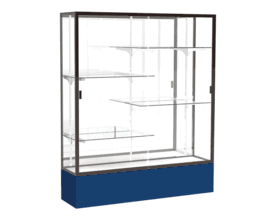
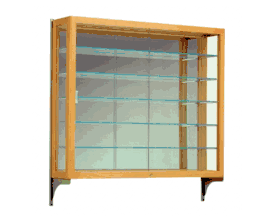
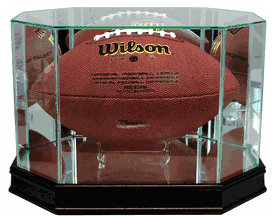
Understanding Your Display NeedsSelecting the perfect trophy case involves much more than simply picking something that looks appealing. Your achievements deserve protection that preserves their condition while showcasing them with pride. Whether you're a coach planning displays for an entire athletic department, a business owner highlighting company milestones, or an individual collector wanting to properly showcase personal accomplishments, understanding the fundamentals of trophy case selection will ensure your investment protects and enhances your collection for years to come. The first step in choosing the right trophy case involves honestly assessing what you need to display. Consider the variety of items in your collection - are you primarily showcasing traditional cup trophies, or do you have medals, plaques, certificates, and memorabilia of various sizes? Mixed collections require versatile display solutions with adjustable shelving and adequate depth to accommodate different item dimensions. Location plays a crucial role in determining the appropriate case specifications. Indoor displays face different challenges than those in high-traffic areas or spaces with significant natural light exposure. Understanding your display environment helps determine necessary features like UV protection, security measures, and ventilation requirements. Material Selection: Glass vs. Acrylic vs. WoodThe material composition of your trophy case directly impacts both aesthetics and functionality. Each material offers distinct advantages and considerations that align with different display objectives and budget constraints. Glass Display CasesGlass remains the premium choice for serious collectors and institutional displays. Modern laminated safety glass not only blocks UV light but is much stronger than standard acrylic, and if it does get broken through brute force it still remains in a single pane because of the inner foils and keeps the display case structurally sound. Museum-quality glass cases typically feature laminated construction with multiple protective layers. Tempered glass offers enhanced safety characteristics by shattering into small, relatively harmless pieces when broken. However, standard tempered glass lacks UV filtering properties essential for long-term preservation. For optimal protection, specify laminated safety glass that incorporates UV-filtering layers while maintaining structural integrity. Glass cases excel in professional environments where clarity, durability, and security are paramount. The material's superior strength allows for larger panel construction and frameless designs that maximize visibility. Additionally, glass surfaces resist scratching better than acrylic alternatives and maintain their clarity over extended periods. Acrylic Display OptionsAcrylic cases provide an excellent balance of affordability and functionality for many display applications. Standard acrylic offers some inherent UV protection, typically filtering certain wavelengths while allowing others to pass through. The acrylic we use provides good UV protection but we can't guarantee any particular level of protection. There is such a thing as "museum grade" UV protection acrylic (OP-3) which is much more expensive, and can make the acrylic slightly dimmer, but does provide more protection. For valuable collections requiring maximum protection, museum-grade acrylic with 98% or higher UV filtering becomes essential. This specialized material costs significantly more than standard acrylic but provides protection levels comparable to museum conservation standards. The investment proves worthwhile for irreplaceable items or collections with substantial monetary or sentimental value. Acrylic cases offer advantages in weight and impact resistance, making them ideal for portable displays or locations where safety concerns limit glass usage. The material also allows for more complex curved shapes and custom configurations that might prove challenging with glass construction. Wood and Mixed-Material CasesTraditional wooden trophy cases provide warmth and elegance that complements many interior designs. Quality wood cases feature solid construction with proper joinery techniques and high-grade finishes that resist moisture and wear. However, wood selection requires careful consideration of conservation implications. When wood components will be in close proximity to valuable items, ensure the materials meet archival standards. MEDEX, Medite II and other ZF (zero formaldehyde) MDF products are the most often specified case materials for museum work, though the Smithsonian no longer considers them acceptable (Museum Planner, 2018). For the highest conservation standards, metal construction or properly sealed wood products prevent off-gassing that could damage displayed items over time. Size and Configuration ConsiderationsProper sizing ensures your trophy case accommodates current displays while providing room for future additions. Standard trophy case dimensions vary considerably, from compact desktop models to floor-to-ceiling institutional displays. Depth RequirementsCase depth determines what types of items can be properly displayed. Standard trophy cases typically offer depths ranging from 12 to 20 inches. Shallow cases work well for medals, plaques, and small trophies, while deeper units accommodate larger awards, helmets, balls, and three-dimensional memorabilia. Consider the visual impact of depth on your displays. Items placed too far from the viewing surface appear less prominent and may be difficult to read or appreciate. Conversely, insufficient depth prevents proper positioning of larger items and creates cramped, cluttered appearances. Height and Width PlanningVertical space determines how many shelf levels you can incorporate while maintaining appropriate clearance for each display level. Plan for at least 8-12 inches between shelves for standard trophies, with additional height for larger items. Adjustable shelving provides flexibility to reconfigure displays as your collection evolves. Width considerations involve both internal display space and external proportions relative to the installation location. Measure your available space carefully, accounting for door clearances, wall projections, and traffic flow around the case. Wall-Mounted vs. Freestanding OptionsWall-mounted cases maximize floor space while providing excellent viewing angles at eye level. These units work particularly well in hallways, offices, and areas with limited floor space. However, wall mounting requires adequate structural support and limits repositioning flexibility. Freestanding cases offer mobility and don't require wall modifications for installation. These units can serve as room dividers or focal points in larger spaces. Consider the base design carefully - wider bases provide stability but consume more floor space, while narrower profiles may appear top-heavy with tall configurations. UV Protection and Light Damage PreventionUltraviolet radiation poses one of the most significant threats to trophy preservation, causing fading, discoloration, and material degradation over time. Understanding UV sources and protection methods helps maintain your collection's pristine condition. UV light is one of the most formidable contributors to the degradation of sports cards, causing substantial impact on card grading and long-term preservation (BCW Supplies, 2022). The same principles apply to trophies, certificates, ribbons, and other award components that contain dyes, inks, or materials susceptible to light damage. Natural Light ConsiderationsSunlight contains high levels of UV radiation that can cause rapid deterioration of displayed items. Up to 80% of the sun's rays can pass through clouds, which means that living in a rainy or cloudy area won't save your collectibles (Pioneer Plastics, 2023). Even indirect sunlight through windows poses risks to unprotected displays. Position trophy cases away from direct sunlight exposure whenever possible. If window proximity is unavoidable, consider UV-filtering window films that block harmful radiation while maintaining visibility and natural lighting benefits. Artificial Lighting ConcernsFluorescent lighting, particularly older installations, emits significant UV radiation along with visible light. LED lighting systems provide superior alternatives with minimal UV output and excellent color rendering properties. LED offers the best color rendering which will make it easier to read the writing or see different colors displayed in the case, and doesn't lose heat during operation. When incorporating lighting within trophy cases, select fixtures specifically designed for display applications. These systems typically feature UV-filtered lenses and temperature-controlled operation to prevent heat buildup that could damage sensitive materials. Protection StrategiesMuseum-quality UV filtering blocks 98% or more of harmful radiation while maintaining visual clarity. This level of protection requires specialized materials that cost significantly more than standard options but provides essential preservation for valuable collections. For moderate protection needs, standard UV-filtering materials offer reasonable protection at lower cost points. However, understand the limitations of these materials and avoid placing high-value items in situations with significant UV exposure without proper protection. Security Features and Access ControlSecurity considerations vary based on the value of displayed items, location accessibility, and institutional requirements. Modern trophy cases incorporate multiple security layers while maintaining aesthetic appeal and functional access for maintenance and updates. Locking MechanismsHigh-security locks provide the first line of defense against theft and unauthorized access. Quality trophy cases feature hidden locking mechanisms that integrate seamlessly with the overall design. The high-security Abloy locks used in custom museum display cases are hidden and can be integrated with smart alarm systems, ensuring that valuable artifacts remain safe from theft. Consider access frequency when selecting locking systems. Frequently updated displays benefit from convenient access mechanisms, while permanent installations may prioritize maximum security over ease of use. Glass and Impact ResistanceLaminated safety glass provides both security and protection benefits. Multiple glass layers bonded with protective films resist impact while maintaining structural integrity even if damaged. This construction prevents unauthorized access while protecting contents from accidents or vandalism. For high-security applications, ballistic-rated materials offer enhanced protection levels. These specialized glasses incorporate additional protective layers that resist more severe impact attempts while maintaining optical clarity. Alarm IntegrationModern trophy cases can integrate with facility security systems to provide immediate notification of unauthorized access attempts. Magnetic sensors, vibration detectors, and door position monitors offer various detection methods suitable for different security requirements. Wireless alarm systems eliminate wiring requirements while providing reliable monitoring capabilities. Battery-powered sensors offer installation flexibility and continue operation during power outages. Climate Control and Environmental ProtectionMaintaining stable environmental conditions within trophy cases prevents damage from humidity fluctuations, temperature variations, and air pollutants. Understanding climate control principles helps specify appropriate protection levels for your specific collection and location. Humidity ManagementA well-sealed case limits the rate of air exchange between the display chamber and the ambient environment, and the climate inside a sealed exhibit can be engineered to buffer changes in temperature and relative humidity (Conservation Wiki, 2024). Proper sealing prevents rapid humidity changes that can cause material expansion, contraction, and degradation. Passive humidity control systems use desiccant materials to absorb excess moisture or release moisture when conditions become too dry. These systems require periodic maintenance but provide reliable protection without power consumption or complex installation requirements. For valuable collections or challenging environments, active climate control systems provide precise temperature and humidity regulation. These systems integrate with building environmental controls or operate independently to maintain optimal conditions regardless of external weather variations. Air Quality ConsiderationsSealed cases protect contents from airborne pollutants, dust, and chemical contaminants that can cause gradual damage over time. Case construction materials must be carefully selected to avoid introducing harmful chemicals into the sealed environment. Ventilation systems for larger cases ensure air circulation while maintaining filtration against harmful substances. These systems balance fresh air introduction with protective sealing to optimize display conditions. Temperature StabilityTemperature fluctuations stress displayed materials through expansion and contraction cycles. Maintaining stable temperatures prevents mechanical damage while supporting other preservation efforts. Insulated case construction helps buffer external temperature variations. Heat sources within cases, particularly from lighting systems, require careful management to prevent localized temperature buildup. LED lighting systems minimize heat generation while providing excellent illumination quality. Lighting Design for Optimal DisplayEffective lighting enhances trophy visibility while minimizing preservation risks. Modern lighting systems provide precise control over illumination characteristics, allowing optimal display conditions without compromising long-term protection. LED Technology AdvantagesLED lighting systems offer multiple benefits for trophy display applications. These systems produce minimal heat, reducing temperature stress on displayed items while providing excellent color rendering that accurately represents trophy finishes and engravings. A trophy case should opt for somewhere in the middle on the color temperature scale to avoid anything too harsh to the eyes. Neutral white LED systems (3000K-4000K) provide balanced illumination that enhances trophy appearance without creating color distortion or eye strain. Positioning and DistributionProper lighting placement eliminates shadows while preventing glare that obscures trophy details. Multiple light sources provide even illumination across all display areas, ensuring consistent visibility regardless of viewing angle. Under-shelf lighting systems work particularly well for trophy cases, providing direct illumination from above while remaining virtually invisible to viewers. These systems can be easily installed and adjusted to accommodate different display configurations. Control SystemsDimming controls allow light level adjustment for different viewing conditions and help minimize cumulative light exposure when displays are not actively being viewed. Timer systems can automatically reduce lighting during non-peak hours to extend both lamp life and preservation protection. Smart lighting systems integrate with building automation or can be controlled remotely to optimize display conditions while minimizing energy consumption and maintenance requirements. Budget Planning and Value ConsiderationsTrophy case investments span a wide range of price points, from basic display solutions to museum-quality preservation systems. Understanding the relationship between features, quality, and cost helps identify the optimal solution for your specific needs and budget constraints. Initial Investment vs. Long-term ValueQuality trophy cases provide decades of reliable service while protecting valuable collections from deterioration. Higher initial investments in UV protection, climate control, and security features often prove cost-effective compared to replacing damaged items or upgrading inadequate protection systems. Consider the total value of items to be displayed when evaluating protection features. Collections worth thousands of dollars justify significant investment in preservation features, while casual displays may require only basic protection levels. Feature PrioritizationIdentify which features provide the greatest benefit for your specific situation. UV protection ranks as essential for displays with significant light exposure, while security features become crucial for high-value collections in accessible locations. Modular or upgradeable systems allow gradual feature additions as needs evolve or budgets permit. Starting with basic protection and adding enhanced features over time can provide a practical path to comprehensive display solutions. Maintenance and Operating CostsFactor ongoing maintenance requirements into total cost calculations. LED lighting systems require minimal maintenance compared to fluorescent alternatives, while passive climate control systems eliminate ongoing power consumption. Professional cleaning and maintenance services may be necessary for large or complex installations. Understanding these requirements helps budget for long-term operation costs beyond the initial purchase price. Installation and Setup Best PracticesProper installation ensures trophy case performance and longevity while preventing damage to both the case and surrounding areas. Understanding installation requirements helps plan for successful deployment and optimal operation. Site PreparationLevel floors and plumb walls are essential for proper case installation and door operation. Uneven surfaces create stress points that can lead to glass breakage or hardware failure over time. Professional installation may be warranted for valuable cases or challenging locations. Electrical requirements for lighting and climate control systems should be planned during site preparation. Hidden wiring maintains aesthetic appearance while providing reliable power distribution to all case components. Assembly ConsiderationsMany trophy cases require assembly that involves precise alignment and proper torque specifications for hardware connections. Following manufacturer instructions carefully prevents damage during setup and ensures warranty coverage remains valid. Glass handling requires special techniques and safety equipment to prevent injury and breakage. Professional installation services provide specialized tools and experience that may justify their cost for valuable cases. Testing and CommissioningVerify all systems operate correctly before loading displays into new trophy cases. Test lighting systems, locking mechanisms, and climate control functions to ensure proper operation and identify any issues requiring correction. Document installation details including warranty information, maintenance schedules, and operating instructions for future reference. This information proves valuable for troubleshooting and maintenance planning. Maintenance and Long-term CareRegular maintenance preserves trophy case appearance and functionality while protecting displayed items from environmental threats. Establishing maintenance routines prevents minor issues from developing into costly problems requiring professional repair or component replacement. Cleaning ProceduresGlass and acrylic surfaces require specific cleaning techniques to prevent scratching and maintain clarity. Use appropriate cleaning solutions and soft, lint-free cloths to remove dust and fingerprints without damaging protective coatings or UV-filtering materials. Interior cleaning should be performed carefully to avoid disturbing displayed items while removing accumulated dust and debris. Compressed air systems can effectively clean hard-to-reach areas without requiring direct contact with sensitive surfaces. Hardware MaintenanceLocking mechanisms and hinges require periodic lubrication to maintain smooth operation and prevent premature wear. Use manufacturer-recommended lubricants to avoid introducing contaminants that could affect case sealing or damage displayed items. Check gaskets and seals regularly for signs of wear or damage that could compromise climate control effectiveness. Replace worn components promptly to maintain optimal protection levels. System MonitoringClimate control systems benefit from regular monitoring to verify proper operation and detect potential problems before they affect displayed items. Data logging systems can track environmental conditions over time to identify patterns or trends requiring attention. Lighting systems should be monitored for output degradation and color shift over time. LED systems typically provide many years of reliable service but may require eventual replacement to maintain optimal display conditions. Making Your Final SelectionChoosing the right trophy case requires balancing multiple factors including protection requirements, aesthetic preferences, budget constraints, and practical considerations. Armed with comprehensive information about available options and features, you can make an informed decision that serves your collection well for many years. Start by clearly defining your requirements and priorities. Create a checklist that includes must-have features, preferred options, and nice-to-have enhancements. This systematic approach helps focus your selection process and prevents overlooking important considerations. Consult with reputable suppliers who can provide detailed specifications and recommendations based on your specific needs. Quality manufacturers offer extensive product information and application guidance that helps identify optimal solutions for different display challenges. Consider visiting installations similar to your intended application to see different trophy case options in actual use. This firsthand experience provides valuable insights into appearance, functionality, and performance that may not be apparent from catalogs or online information. For significant investments or complex requirements, professional consultation services can provide expert guidance that ensures optimal results. The cost of professional advice often proves minimal compared to the value of avoiding costly mistakes or suboptimal solutions. Your trophy case represents more than just a display solution - it becomes a lasting showcase for your achievements and memories. Investing in quality protection and presentation ensures your accomplishments receive the recognition they deserve while remaining pristine for future generations to appreciate and admire. Expert Resources and Professional ServicesSeveral organizations provide authoritative guidance on display case design and conservation principles that apply to trophy displays. Museum conservation organizations like the Conservation Wiki and Museum Planner offer extensive resources on exhibit case specifications, materials selection, and environmental control systems that help establish professional standards for trophy protection. For those seeking premium trophy case solutions, companies specializing in museum-quality displays offer expertise in conservation-grade materials and climate control systems. ArchDaily's comprehensive guide on museum display design emphasizes that professional display case designers focus on creating unobtrusive cases that subtly disappear into their environment while highlighting the valuable objects on display. When ready to make your selection, established trophy case suppliers like TrophyCentral's trophy case collection offer comprehensive options ranging from basic display solutions to advanced protection systems. Their extensive experience in trophy and award displays provides valuable guidance for matching case features to specific display requirements. For specialized display needs, explore options like TrophyCentral's glass display cases, which offer professional-quality construction suitable for institutional and commercial applications where durability and presentation quality are paramount. Your investment in proper trophy display protection preserves not just the physical awards, but the memories and achievements they represent. Take the time to select solutions that provide appropriate protection while showcasing your accomplishments with the dignity and pride they deserve. Citations and ReferencesBCW Supplies. (2022). "How to Protect Your Cards and Sports Memorabilia from UV Light." BCW Supplies Blog. Conservation Wiki. (2024). "Category: Exhibit Case Design." Retrieved from https://www.conservation-wiki.com/wiki/Category:Exhibit_Case_Design Museum Display Case. (2024). "Museum Display Case Specifications." Retrieved from https://museumdisplaycase.com/museum-display-case-specifications/ Museum Planner. (2018). "Museum Exhibit Case Guidelines." Retrieved from https://www.museumplanner.org/museum-exhibit-case-guidelines/ Pioneer Plastics. (2023). "Protect Your Memorabilia with UV Protected Display Cases." Pioneer Plastics Blog. |