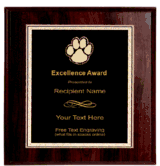
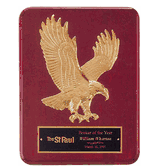
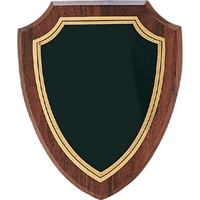
The Complete Guide to Award PlaquesAward plaques represent one of the most flexible and meaningful forms of recognition available. They work for teachers, coaches, event planners, and organization leaders. Unlike quick verbal praise or temporary certificates, plaques provide permanent, real symbols of achievement. Recipients can proudly display them for years. They serve as constant reminders of their wins. They show the appreciation others have for their work. The power of physical recognition extends far beyond simple acknowledgment. Research published by Gallup shows important results. Organizations with effective recognition programs see 31% lower turnover. They see 12% better customer service results. They see much higher employee engagement rates (Gallup, 2025). This same psychology applies across educational settings. It applies to sports programs. It applies to community organizations. Recognition through awards like plaques helps motivate continued excellence. It builds positive culture.
31%
Lower turnover rate
12%
Better customer service
15.6%
Students stayed in school
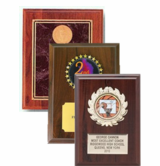
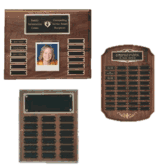
Modern award plaques have evolved far beyond simple wooden boards with brass nameplates. Today's options include stunning crystal displays. They include sleek acrylic designs. They include elegant metal compositions. They include innovative combinations of materials that create truly memorable recognition pieces. Understanding the various options helps. Knowing customization possibilities helps. Learning selection criteria helps ensure that your recognition efforts create the maximum positive impact. This works for both recipients and observers. Recognition Psychology Alert! Research from Harvard Business Review shows important findings. Symbolic awards such as plaques and certificates can greatly improve employee motivation and performance. The key is that recognition feels real, personalized, and appropriately important for the achievement being honored. The physical nature of plaques makes them particularly powerful. They provide lasting visual reminders of success. You might be recognizing student achievements. You might be honoring volunteer work. You might be celebrating athletic success. You might be acknowledging professional excellence. The right plaque selection and presentation can transform a simple recognition moment into a powerful experience. It motivates continued effort. It builds lasting positive associations with your organization or program. The Science Behind Effective RecognitionUnderstanding why award plaques work so effectively requires examining the psychological and social mechanisms. These make recognition programs successful. Research published in the National Center for Biotechnology Information shows that recognition greatly boosts employee engagement. Fairness and appropriate acknowledgment serve as fundamental motivators. They enhance satisfaction and productivity (PMC, 2025). The real nature of plaques provides several psychological benefits. Verbal recognition alone cannot achieve these. Physical awards create what researchers call "cognitive anchoring." Recipients form lasting mental associations between their achievement and the visual reminder of recognition. This process helps reinforce positive behaviors. It encourages continued effort toward future wins. In educational settings, the impact of recognition becomes even more pronounced. A complete study published in the Journal of Competency-Based Education found important results. Students receiving excellence awards showed remarkable improvements in persistence and academic performance. Of students who were considering dropping out, 15.6% decided to continue their education after receiving recognition (Wiley Online Library, 2021). The Recognition Impact SpectrumImmediate Motivation * Long-term Memory * Visual Reminder * Social Status * Continued Excellence * Legacy Building Social Recognition and Community BuildingAward plaques serve important social functions beyond individual recognition. They create visible symbols of organizational values and community standards. When plaques are displayed in common areas, they communicate to all observers. They show what types of achievements and behaviors are valued and celebrated. They create aspirational examples for others to follow. This social dimension becomes particularly important in educational and community settings. Recognition programs help establish positive culture. They encourage widespread participation in valued activities. Plaques displayed in school hallways work. Those in community centers work. Those in workplace common areas serve as constant reminders. They show the organization's commitment to recognizing excellence and achievement. The public nature of plaque display also amplifies the recognition experience. It extends appreciation beyond the initial presentation moment. Recipients continue receiving informal recognition as community members notice and comment on their displayed awards. This creates ongoing positive reinforcement. It sustains motivation. It builds personal satisfaction with achievement. Material Selection: Choosing the Perfect FoundationThe material selection for award plaques dramatically impacts both the visual appeal and perceived value of recognition. Each option offers unique visual qualities. Each offers durability characteristics. Each offers symbolic meanings. These influence how recipients and observers interpret the importance of achievements being honored. Traditional wood plaques remain among the most popular choices. They offer natural warmth. They offer classic appearance. They offer flexibility in customization options. Different wood types convey distinct impressions. Rich mahogany suggests prestige and tradition. Lighter woods like maple or oak project approachability and natural beauty. Wood plaques work particularly well for educational recognition. They work for community service awards. They work for situations where you want recipients to feel personally connected to their achievements. Crystal and glass plaques provide elegant polish that elevates the perceived importance of recognition. They create stunning visual displays through their clarity and light-bending properties. These materials work exceptionally well for high-level achievements. They work for formal recognition programs. They work for situations where you want recipients to feel truly honored by prestigious acknowledgment. Wood PlaquesClassic, warm, and flexible materials including mahogany, walnut, oak, and maple. Perfect for traditional recognition with natural beauty that ages gracefully. Complements any display environment. Acrylic PlaquesModern, durable, and highly customizable with brilliant clarity and color options. Ideal for contemporary recognition programs with vibrant designs and creative presentation possibilities. Crystal PlaquesPremium, polished, and prestigious with exceptional optical properties and substantial feel. Outstanding for high-level achievements requiring formal recognition that conveys significant honor. Acrylic plaques offer remarkable flexibility and customization possibilities. They're available in numerous colors, thicknesses, and transparency levels. These enable creative designs impossible with traditional materials. Modern acrylic manufacturing techniques allow for brilliant full-color printing. They allow for precise laser engraving. They allow for innovative layering effects that create eye-catching displays. These are perfect for contemporary recognition programs. Material Psychology and Symbolic MeaningDifferent plaque materials communicate subtle but important messages. These messages are about the nature and importance of achievements being recognized. Understanding these psychological associations helps ensure that material selection aligns appropriately with recognition goals and organizational culture. Metal plaques include aluminum, brass, and stainless steel options. They convey strength, permanence, and professional achievement. These materials work particularly well for industrial settings. They work for technical wins. They work for recognition programs where durability and longevity are important considerations. Stone and marble plaques suggest timelessness, stability, and monumental achievement. This makes them appropriate for lifetime achievement awards. They work for memorial recognition. They work for situations where you want recipients to understand that their contributions will be remembered for generations. Material Selection Benefits

Material Considerations
Design Elements That Create ImpactEffective plaque design requires balancing visual appeal with functional clarity. You need to ensure that recognition pieces are visually striking. They must clearly communicate the achievement being honored. They must maintain readability. This allows recipients and observers to quickly understand the importance of the award. Typography selection plays a crucial role in plaque effectiveness. Font choices significantly impact both readability and perceived formality of recognition. Traditional serif fonts like Times Roman or Georgia suggest formality and prestige. Modern sans-serif options like Arial or Helvetica project contemporary professionalism and clean visual appeal. Color schemes should complement both the plaque material and the organizational branding. They must ensure adequate contrast for easy reading. High contrast combinations work best. Dark text on light backgrounds works. White text on dark surfaces works. These provide optimal readability. Color accents can add visual interest without compromising clarity. Design Excellence Principles
Logo and Branding IntegrationIncorporating organizational logos and branding elements into plaque designs helps reinforce institutional identity. It creates professional appearance that reflects positively on both the organization and recipient. However, branding integration must be handled carefully. You want to avoid overwhelming the individual recognition message. Logo placement should complement rather than compete with recognition text. Typically positioned in upper corners or along plaque edges where they provide branding without distracting from the recipient's name and achievement details. Size and prominence should reflect the balance between organizational identity and individual recognition. Color coordination between organizational branding and plaque design creates unified visual presentation. It ensures that recognition pieces align with broader institutional visual standards and marketing materials. Engraving Techniques and Customization OptionsModern engraving technology offers numerous techniques for personalizing award plaques. Each provides distinct visual effects. Each offers durability characteristics. Each has cost considerations. These influence the overall appearance and longevity of recognition pieces. Laser engraving provides precise, consistent results. It offers sharp detail reproduction and excellent durability for most materials. This technique works particularly well for text engraving. It works for simple logos. It works for detailed artwork that requires fine line reproduction. Laser engraving can be performed on wood, acrylic, leather, and some metal surfaces. It delivers consistent, professional results. Sandblasting offers superior depth and visual impact for crystal and glass plaques. It creates frosted effects that catch light beautifully. It provides premium appearance that elevates the perceived value of recognition. While more expensive than laser engraving, sandblasting delivers exceptional quality. This justifies higher costs for prestigious awards. Laser EngravingPrecise, cost-effective technique providing sharp detail and consistent results across multiple materials. Perfect for text, logos, and detailed artwork requiring fine reproduction quality. Sandblast EngravingPremium technique creating deep, frosted effects with exceptional visual impact on crystal and glass materials. Outstanding for high-end recognition requiring prestigious appearance. Digital PrintingFull-color capability enabling photographic reproduction, complex graphics, and unlimited color options on compatible materials. Ideal for creative designs requiring multiple colors. Personalization and Custom TextEffective plaque personalization extends beyond simply adding recipient names. It includes thoughtful text that captures the specific nature of achievements being recognized. It creates emotional connections that make awards more meaningful for recipients. Achievement descriptions should be specific enough to clearly communicate what was achieved. They should remain concise enough to maintain visual appeal and readability. Generic phrases like "Outstanding Performance" carry less impact. Specific descriptions work better. "Excellence in Mathematics Education" works better. "Leadership in Community Service" works better. Date inclusion helps create historical context. It allows recipients to remember precisely when achievements occurred. Location information can be valuable for awards presented at specific events or in particular venues that hold special importance for recipients. Personalization Power: Research shows that personalized recognition has significantly greater impact on recipient satisfaction and motivation compared to generic awards. Recipients report stronger emotional connections to awards that include specific achievement details, personal messages, and thoughtful customization. This shows genuine appreciation for their unique contributions. Size and Layout ConsiderationsPlaque size selection requires balancing practical considerations. These include available display space and budget constraints. You also want to create recognition pieces that appropriately reflect the importance of achievements being honored. They must provide adequate space for all necessary text and design elements. Standard plaque sizes range from compact 5x7 inch options suitable for desk display to substantial 12x15 inch presentations. The latter are appropriate for wall mounting and high-visibility recognition. Mid-size options like 8x10 or 9x12 inches often provide optimal balance. They balance visual impact and practical considerations for most recognition applications. Layout planning becomes particularly important for larger plaques. Empty space can make awards appear undersized or poorly proportioned. Effective layouts distribute text and graphic elements evenly. They maintain visual hierarchy that guides observers' attention to the most important information first. Display Considerations and Mounting OptionsAward plaques can be designed for various display methods. Desktop presentation stands allow recipients to showcase recognition in personal workspaces. Wall-mounting systems enable prominent display in common areas. Achievements can inspire others there. Desktop plaques typically work best in smaller sizes. These complement rather than overwhelm workspace environments. Wall-mounted options can handle larger sizes. These create dramatic visual impact appropriate for formal recognition displays. Mounting hardware and display requirements should be considered during the design phase. This ensures that plaques can be properly installed and securely displayed in intended locations. This shouldn't require specialized installation expertise or equipment. Desktop DisplayCompact sizes (5x7 to 8x10) with integrated stands or easel backs for personal workspace display. Perfect for individual recognition that recipients can enjoy daily. Wall MountingLarger formats (9x12 to 12x15) with hanging hardware for prominent common area display. Ideal for recognition that inspires others and builds organizational culture. Presentation CasesPremium packaging and protective cases that enhance presentation ceremony impact. They provide long-term protection for valuable recognition pieces. Budget-Smart Recognition StrategiesCreating effective recognition programs with award plaques doesn't require unlimited budgets. But it does benefit from strategic planning. This maximizes impact while controlling costs. Use smart material selection. Use bulk ordering strategies. Use thoughtful design choices. These deliver professional results within financial constraints. Material selection significantly impacts plaque costs. Wood and acrylic options typically provide excellent value for most recognition applications. Crystal and metal plaques command premium prices. These are justified for high-level achievements or formal recognition programs where prestigious appearance is essential. Bulk ordering strategies can substantially reduce per-unit costs. This works for organizations planning multiple recognition events or ongoing awards programs. Many suppliers offer quantity discounts. This makes it financially smart to order larger quantities even when awards will be presented over long time periods. Cost-Effective Recognition Tips
Value Engineering for Maximum ImpactSmart recognition planning focuses on elements that provide the greatest impact on recipient satisfaction and motivation. It identifies areas where cost savings can be achieved. This doesn't compromise the overall effectiveness of awards programs. Professional engraving often provides better value than attempting to create plaques internally. Consider the time investment required. Consider the importance of achieving professional results. These reflect positively on your organization and recipients. Quality materials and workmanship create lasting impressions. These justify higher initial investment compared to cheaper alternatives. Cheaper options may appear inferior. They may fail to convey appropriate respect for achievements being recognized. Educational Recognition ApplicationsEducational environments provide countless opportunities for meaningful recognition through award plaques. These range from individual student achievements and teacher excellence to school-wide programs and community partnerships that deserve acknowledgment and celebration. Student recognition plaques can acknowledge academic excellence. They can acknowledge artistic achievement. They can acknowledge athletic success. They can acknowledge leadership development. They can acknowledge community service. They can acknowledge character demonstration. This helps establish positive school culture. It motivates continued effort and engagement from both recipients and their peers. Teacher and staff recognition becomes particularly important for maintaining educational quality and professional satisfaction. Research consistently shows important results. Appreciated educators show higher job satisfaction. They show better classroom performance. They show longer tenure in their positions. Academic AchievementHonor students for scholastic excellence, subject mastery, improvement milestones, and educational wins that deserve recognition and celebration within school communities. Character RecognitionAcknowledge students showing citizenship, leadership, service, and positive behavioral examples that contribute to school culture and inspire others toward excellence. Staff ExcellenceRecognize educators, administrators, and support staff for professional achievement, innovative teaching, community contribution, and dedication to student success. Building School Culture Through RecognitionStrategically planned recognition programs using award plaques help establish and reinforce positive school culture. They publicly celebrate values, achievements, and behaviors that contribute to educational excellence and community building. Display placement in high-traffic areas works. Main hallways work. Libraries work. Administrative offices work. This ensures that recognition receives maximum visibility. It creates aspirational examples. These encourage widespread participation in valued activities and achievements. Recognition ceremonies and presentation events provide opportunities to build community engagement. They show organizational commitment to acknowledging excellence and achievement among students, staff, and community partners. Sports and Athletic RecognitionAthletic programs benefit enormously from thoughtful recognition programs. These acknowledge not only competitive success but also character development. They acknowledge improvement efforts. They acknowledge team contribution. They acknowledge sportsmanship. These exemplify the positive values sports participation should encourage. Individual achievement plaques can recognize statistical wins. They can recognize skill development. They can recognize leadership qualities. They can recognize competitive success. They should emphasize that athletic participation provides value beyond just winning and losing outcomes. Team recognition creates opportunities to celebrate group achievement. It acknowledges the individual contributions that make team success possible. This helps athletes understand how personal excellence contributes to group wins. Athletic Recognition Research: Studies show important findings. Recognition programs focusing on effort, improvement, and character development alongside competitive achievement create more positive sports experiences. They encourage longer-term participation compared to programs that only reward winning and statistical performance. Character-Based Athletic AwardsThe most effective athletic recognition programs balance competitive achievement acknowledgment with character recognition. This emphasizes sportsmanship, leadership, dedication, and positive influence. Athletes can develop these regardless of natural athletic ability or team success. Sportsmanship awards acknowledge athletes who show respect for opponents, officials, teammates, and coaches. They maintain positive attitudes and behavior regardless of game circumstances or personal performance outcomes. Leadership recognition honors athletes who provide positive influence. They encourage teammates. They show responsibility. They contribute to program culture in ways that extend beyond their individual athletic performance and competitive contribution. Corporate and Professional RecognitionWorkplace recognition programs using award plaques can significantly impact employee engagement, job satisfaction, and organizational culture. They provide cost-effective tools for acknowledging professional achievements. They encourage continued excellence among team members. Professional achievement plaques can recognize sales success. They can recognize project completion. They can recognize innovation contributions. They can recognize customer service excellence. They can recognize safety performance. They can recognize leadership development. These contribute to organizational success while providing personal recognition that employees value and appreciate. Service milestone recognition helps acknowledge employee loyalty and long-term contribution. It shows organizational appreciation for sustained commitment and professional development. This benefits both individuals and companies. Professional Recognition SpectrumAchievement Excellence * Service Milestones * Leadership Development * Innovation Contribution * Team Collaboration * Customer Impact Building Positive Workplace CultureStrategic professional recognition using award plaques helps create workplace environments where employees feel valued, appreciated, and motivated. They continue contributing their best efforts toward organizational success and personal professional development. Public display of recognition plaques in common workplace areas communicates organizational values. It provides ongoing motivation for both recipients and colleagues who observe the commitment to acknowledging professional excellence and achievement. Recognition ceremonies and presentation events provide opportunities for team building, culture reinforcement, and public appreciation. This extends beyond individual recognition to strengthen overall workplace relationships and organizational unity. Creative Presentation and Ceremony IdeasThe presentation experience can be just as important as the award itself. It creates memorable recognition moments that maximize positive impact for recipients. It builds community engagement. It shows organizational commitment to celebrating achievement and excellence. Formal presentation ceremonies create special occasions. These elevate recognition beyond routine acknowledgment to meaningful celebrations. Recipients and observers will remember these long after the immediate event concludes. Creative presentation approaches can transform simple award distribution into engaging experiences. These build excitement. They create positive associations. They show that achievements deserve significant celebration and community acknowledgment. Presentation Excellence Strategies
Technology Integration and Digital EnhancementModern recognition programs can benefit from technology integration. This extends plaque presentation beyond physical awards. It includes digital components that enhance recipient experience. It broadens recognition visibility through social media and online platforms. QR codes embedded in plaque designs can link to digital content. This includes recipient profiles, achievement details, photo galleries, or video presentations. These provide expanded recognition experiences while maintaining traditional physical award appeal. Social media integration allows recognition events to reach broader audiences. It provides recipients with shareable content. This extends appreciation beyond immediate ceremony attendees. It includes extended networks of family, friends, and professional contacts. Quality Assurance and Vendor SelectionSelecting reliable suppliers for award plaques requires evaluating factors. These include quality standards, customization capabilities, production timelines, customer service quality, and pricing structures. These impact both the recognition experience and overall program success. Quality assessment should examine material standards. It should examine engraving precision. It should examine construction durability. It should examine finishing details. These determine how recognition pieces will appear and perform over time. Professional suppliers should provide samples or portfolios. These demonstrate their capability to deliver results that meet your quality expectations. Production timeline planning becomes particularly important for recognition programs with specific presentation deadlines. You need suppliers who can commit to delivery schedules. They must communicate promptly about any potential delays or complications that might affect ceremony planning. Quality StandardsProfessional materials, precise engraving, durable construction, and attractive finishing that create recognition pieces recipients will proudly display for years. Customization OptionsFlexible design capabilities, material choices, engraving techniques, and personalization options that enable unique recognition perfectly suited to your specific needs. Customer ServiceResponsive communication, design assistance, production updates, and problem resolution that ensure smooth ordering experience from initial consultation through final delivery. Companies like TrophyCentral specialize in providing complete award solutions with extensive customization options, quality materials, and customer service. This helps ensure recognition programs achieve their intended impact while meeting budget and timeline requirements. Order Planning and Timeline ManagementSuccessful recognition programs require careful planning. This accounts for design development, approval processes, production time, and shipping requirements. These determine when orders must be placed to ensure awards arrive in time for planned presentation events. Design approval processes should allow adequate time for reviewing proof materials. They should allow time for requesting revisions. They should allow time for finalizing artwork before production begins. Rushing through design phases often results in mistakes or missed opportunities. These could have been avoided with proper planning. Shipping considerations become particularly important for fragile materials like crystal or glass plaques. These require careful packaging. They may need additional transit time to ensure safe delivery without damage that would compromise presentation events. Maintenance and Long-Term CareAward plaques require different maintenance approaches. This depends on material composition, display environment, and handling frequency. Proper care ensures that recognition pieces maintain their appearance. They continue providing positive impact for recipients over many years. Wood plaques benefit from occasional cleaning with appropriate wood care products. They need protection from direct sunlight or moisture. These can cause fading, warping, or finish deterioration. Proper display conditions help maintain natural beauty. They prevent common problems that affect wooden awards. Crystal and glass plaques require gentle cleaning with appropriate materials. This maintains clarity and brilliance without scratching or damaging engraved surfaces. Microfiber cloths and specialized glass cleaners help preserve optical properties. They remove dust and fingerprints. Care and Maintenance Benefits
Maintenance Considerations
Environmental Considerations and SustainabilityModern recognition programs increasingly consider environmental impact and sustainability factors. These come into play when selecting award materials and suppliers. Many organizations prefer eco-friendly options. These align with broader environmental commitments and values. Sustainable material options include reclaimed wood, recycled glass, and eco-friendly manufacturing processes. These reduce environmental impact. They maintain quality and appearance standards appropriate for meaningful recognition programs. Local supplier selection can reduce shipping environmental impact. It supports community businesses. It potentially provides better customer service through closer geographic proximity and regional business relationships. Measuring Recognition Program SuccessEffective recognition programs should be evaluated regularly. This ensures they are achieving intended goals. These include recipient satisfaction, motivation impact, community engagement, and cultural development. These justify investment. They provide guidance for program improvements and expansion. Recipient feedback provides valuable insights into recognition effectiveness. It shows preferred award types. It shows presentation experiences. It provides suggestions for program enhancement. These help ensure continued relevance and positive impact on target audiences. Organizational impact assessment can examine factors. These include participation rates, performance improvement, retention statistics, and cultural indicators. These show whether recognition programs are contributing to broader organizational success and community development goals. Program Success Metrics: Research indicates that the most successful recognition programs track multiple metrics. These include immediate recipient satisfaction, long-term motivation impact, peer inspiration effects, and organizational culture development. This ensures complete understanding of program effectiveness and opportunities for improvement. Continuous Improvement and Program EvolutionRecognition programs benefit from regular evaluation and adaptation. This incorporates feedback, changing needs, emerging opportunities, and lessons learned. These come from successful and unsuccessful recognition experiences over time. Program flexibility allows for adjustments in award types. It allows adjustments in presentation methods. It allows adjustments in recognition criteria. It allows adjustments in ceremony formats. These keep recognition fresh and relevant. They maintain core values and objectives that define organizational culture and achievement standards. Innovation opportunities might include new materials. They might include creative presentation approaches. They might include technology integration. They might include community partnership development. These enhance recognition impact while controlling costs and administrative requirements that affect program sustainability. Future Trends in Award RecognitionRecognition programs continue evolving with changing technology, generational preferences, environmental awareness, and organizational culture trends. These influence how awards are designed, presented, and valued by recipients and communities. Technology integration increasingly provides opportunities for enhanced recognition experiences. These come through digital components, social media sharing, virtual presentation options, and interactive features. These extend traditional physical awards into broader engagement platforms. Sustainability considerations are becoming more important. This matters for organizations and recipients who prefer recognition programs that show environmental responsibility. This comes through material selection, manufacturing processes, and lifecycle management. These align with broader ecological values. Future Recognition Innovations
ConclusionAward plaques represent powerful tools for recognizing achievement, building community, and motivating excellence. They work across educational, athletic, professional, and community settings. Understanding material options helps. Knowing design principles helps. Learning customization possibilities helps. Understanding presentation strategies helps ensure that recognition programs create maximum positive impact. They respect budget constraints and organizational goals. The most successful recognition initiatives combine thoughtful award selection with meaningful presentation experiences. These show genuine appreciation for recipient achievements. They inspire continued excellence among broader community members who observe and aspire to similar recognition. You might be acknowledging student academic success. You might be honoring volunteer service. You might be celebrating athletic achievement. You might be recognizing professional excellence. Well-planned award plaque programs provide lasting value. This extends far beyond initial presentation moments. They create positive memories, motivation, and community culture. This benefits everyone involved in recognition experiences. Investment in quality recognition through thoughtfully selected and professionally presented award plaques pays dividends. These come through improved performance, enhanced satisfaction, stronger community connections, and positive organizational culture. This makes recognition programs among the most cost-effective tools available. They build excellence and achievement in any setting where human contribution deserves celebration and acknowledgment. References:Gallup. (2025). Employee Recognition: Low Cost, High Impact. Retrieved from https://www.gallup.com/workplace/236441/employee-recognition-low-cost-high-impact.aspx PMC - National Center for Biotechnology Information. (2025). The Impact of Recognition, Fairness, and Leadership on Employee Outcomes. Retrieved from https://pmc.ncbi.nlm.nih.gov/articles/PMC11717283/ Wiley Online Library. (2021). The Impact of Student Recognition of Excellence to Student Outcome in a Competency-Based Educational Model. Retrieved from https://onlinelibrary.wiley.com/doi/full/10.1002/cbe2.1264 Reproduction of this content requires attribution and a link to TrophyCentral.com |